

Description
Driving guitars, a firm snare backbeat and soaring melodies give much Welsh rock an energetic, anthemic character. The term groups Welsh artists and Welsh-language music within rock; it comes from Every Noise at Once’s map of Spotify genres and the playlist The Sound of Welsh Rock, with little published explanation of the name.
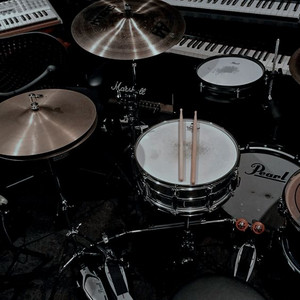
Bass and drums hold down a steady pulse, often pushed along by rhythm guitar or hi-hat. Electric guitars range from clean arpeggios to distorted chords and riffs, while sustained organ or synthesizer sounds add depth. Lead vocals often sit in a high register, with harmonies or doubled voices; some songs use conversational verses before rising into forceful choruses. The music ranges from gritty, fast garage and electro-rock to warmer, folk-tinged pop-rock. Some arrangements sound raw and saturated, while others are polished and layered.
Artists are also associated with britpop and indie rock, sharing their guitar-led songwriting and melodic hooks. Welsh and English titles both feature in the playlist, whose releases are mostly from the 2000s and 2010s.
Based on: Every Noise at Once, Spotify's genre tags and playlist
Start with a rock band
Build a steady drum-and-bass groove around a prominent snare backbeat. Use electric guitar for repeating riffs or driving chords, and add a sustained organ or synthesizer layer behind the band.
Shape the song
Draw on britpop and indie rock for melodic, guitar-led writing. Contrast a rhythmic, conversational verse with a soaring chorus, and support the lead vocal with harmonies or double-tracking. Try clean arpeggios for a gentler passage and distorted chords for a more urgent one.
Choose a texture
For a rougher sound, use saturated guitars and roomy vocals. For a warmer pop-rock arrangement, layer cleaner guitars and keyboards, or add acoustic guitar and piano.






Best playlists

Influenced by

