Description
Wrestling music is best understood as music used in professional wrestling rather than a single style with a fixed sound. Its central form is the entrance theme: a recognizable piece that announces a wrestler, establishes a mood and extends the character presented in the ring.
Themes can range from classical music and electro-pop to rock and rap. A striking opening riff, sound effect or spoken phrase can prompt an immediate crowd response, while a more cinematic approach can suggest a character's story or sense of threat. Music may also change when a wrestler's on-screen role changes.
One wrestling commentator criticizes the music for often lagging behind popular culture, pointing to a reliance on rap-rock and nu-metal. Other commentators emphasize its theatrical value in building anticipation and giving wrestlers distinct identities.
Based on: prowrestlingstories.com, typebarmagazine.com, slamwrestling.net
More on: Every Noise at Once

Rare footage of The Shield recording the intro for their theme music #Short
WWE
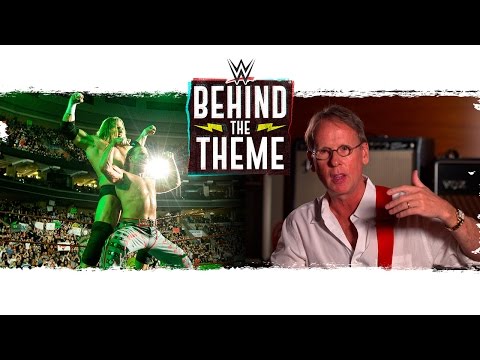
Breaking down D-Generation X’s entrance music: WWE Behind the Theme
WWE

What Did the First Wrestling Theme Song Sound Like?
Tap Out Corner

Making an Entrance - Awesome Pro Wrestling Theme Music
Wrestling Bios
History
Early entrances
For much of professional wrestling's early history, the crowd's cheers and boos provided the principal accompaniment to an entrance. One conventional account associates the beginnings of entrance music with televised wrestling in the 1950s, although music was initially used selectively rather than for every character.
Toward a standard feature
The Argentine promotion Titanes en el Ring is documented as an early example of a promotion giving music to all its wrestlers. In the 1980s, wrestling became more closely connected to popular culture and rock music. Entrance themes became a mainstay in the late 1980s and early 1990s; by the early 1990s, they were commonplace.
Character and spectacle
As entrance music became established, it took on a role comparable to a wrestler's costume and signature moves. Themes help make entrances theatrical and can signal a change in a character's role. Rap has also become increasingly common in wrestling entrances.
Define the entrance
Start with the character and the reaction the entrance should invite. Decide whether the music should project menace, grandeur, confidence or another clear personality. Treat the piece as part of a theatrical introduction rather than as background music alone.
Make the opening recognizable
Build an opening that can be identified quickly. You could lead with a distinctive riff, a sound effect or a short spoken phrase, then develop that idea into the main theme. Leave the opening clear enough to register against the sound of a crowd.
Choose and shape the style
Wrestling themes draw on varied styles, so choose sounds that fit the character rather than trying to follow a single genre formula. You could use a rock-based riff for a forceful entrance, a cinematic texture for a larger-than-life presentation or a vocal approach informed by rap. Repeat the most recognizable idea so it remains associated with the character, and consider reshaping it if the character's role changes.

How to make create my entrance in wrestle | roblox wrestling
FNAFWRESTLINGWORLD

HOW TO MAKE A VIDEO OF ENTRANCE WITH REAL THEMES SONGS | WRESTLING EMPIRE
Black Knight EMPIRE

Top albums




Best playlists


Other similar genres
Genres sharing the most artists with Wrestling