Description
Acid IDM moves between steady synthesizer-driven pulses and fast, intricately chopped breakbeats, often with a restless, futuristic feel. The term comes from Every Noise at Once, a map of Spotify genres, and The Sounds of Spotify’s playlist “The Sound of Acid IDM”; there is scant writing devoted to it.
Rapid arpeggios and bell-like synth tones weave around bass or sub-bass, punchy programmed drums and atmospheric pads. Some tracks ride a regular electronic groove, while others use sliced breaks, quick snare rolls and stuttering percussion. Repeating minor-key chords can give the music a melancholic cast beneath its energetic rhythms. The production ranges from clean and spacious to distorted and digitally fragmented, with delay, reverb and wide stereo effects. The music is mostly instrumental.
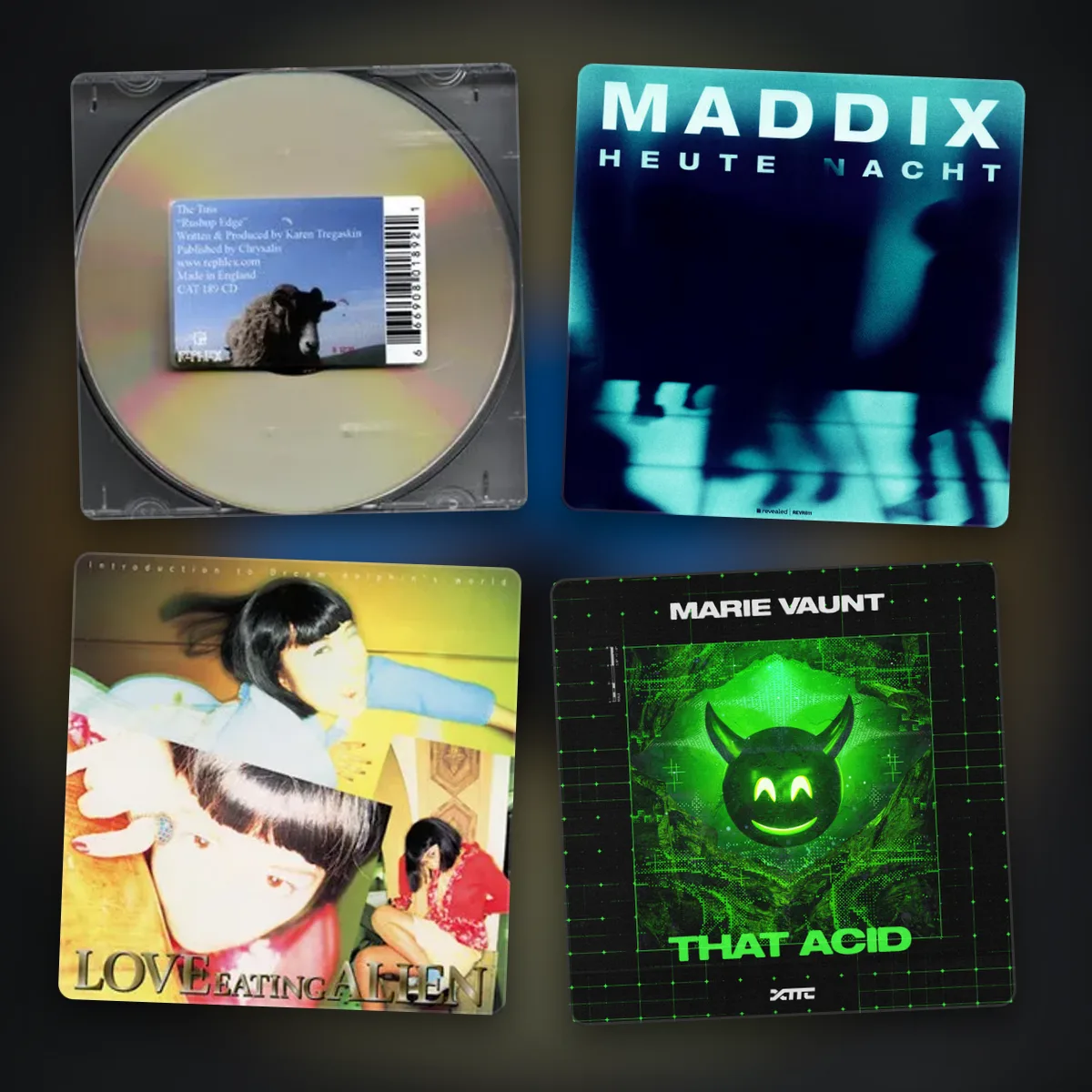
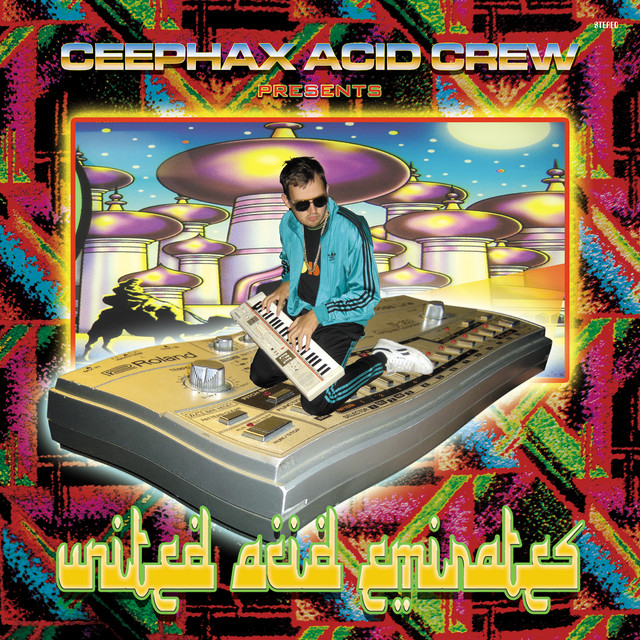
Its artists are also associated with IDM, acid house and breakbeat: the first brings experimental sound design and complex rhythms, the second a squelching, modulated synthesizer sound, and the third syncopated drum patterns. Playlist tracks include Ceephax Acid Crew’s “Commuter,” Brainwaltzera’s “tracing Rays [reality glo]” and EOD’s “Swurlk (snarlfingercroak mix),” with many of the releases dating from the 2010s.
Based on: Every Noise at Once, Spotify's genre tags and playlist
Build the rhythm
Start with a programmed electronic groove, then draw on breakbeat for syncopation and sliced drum patterns. Add quick snare rolls, stutters or short fills; alternatively, keep the pulse steady and let a rapid synth arpeggio supply the movement.
Shape the synths
Use a repeating chord progression, perhaps in a minor key, with a bass or sub-bass line underneath. Take inspiration from acid house by modulating a resonant synth bass, and layer bell-like arpeggios or sustained atmospheric pads above it.
Arrange and produce
Follow IDM’s experimental approach by varying the percussion and processing sounds as the track develops. Use delay, reverb and stereo placement to create space, and introduce controlled digital distortion or chopped edits for contrast. An instrumental arrangement leaves room for the rhythms and synth patterns to carry the piece.

How to make Acid in FL's Sytrus #flstudio #sytrus #sounddesign #acidtechno #edmtiktok #fltutorial
Rewired Records Official

IDM Percussion Generator In #flstudio #shorts
TOavn

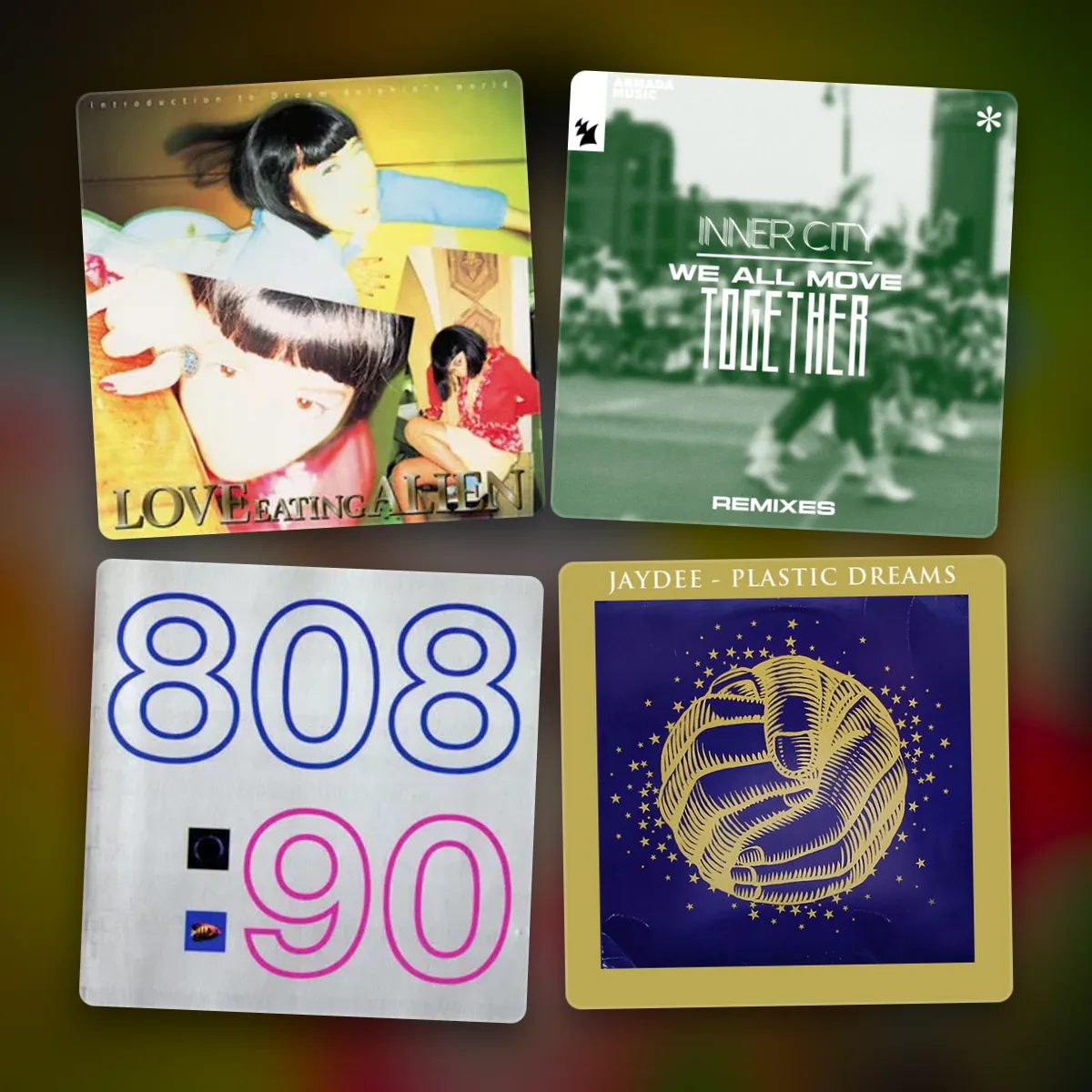
Top albums

Best playlists

Influenced by


Other similar genres
Genres sharing the most artists with Acid Idm