Description
Cascading synthesizer patterns, deep bass and spacious pads give deep idm a hypnotic, often tense sound. The term is used by Every Noise at Once and The Sounds of Spotify’s playlist, but has scant published description. The music ranges from slow, bass-heavy glitch to fast, driving electronic tracks and more ambient passages built around sustained tones.
Rhythm can come from clicking, stuttering electronic percussion or from quick, repeating synth figures rather than a conventional drum groove. Some tracks have a steady pulse; others move more freely. Minor-key cycles, resonant filter sweeps and long reverb or delay give the music an immersive, sometimes nocturnal character. It is generally instrumental, with occasional synth sounds that resemble the human voice but no clear sung words.
The music sits close to IDM’s intricate electronic programming, glitch’s fragmented digital textures and ambient’s emphasis on atmosphere. Downtempo is another useful point of reference for the slower, more spacious pieces. Many releases in the playlist are from the late 1990s and early 2000s. Titles such as “Giant Sunflowers Swaying In The Wind” and “Neon Sky Rain” suggest a mixture of natural and futuristic imagery.
Based on: Every Noise at Once, Spotify's genre tags and playlist
5 Albums to Get You Into IDM
deep cuts

An Ignorant Guide to IDM
Coolea

What is Intelligent Dance Music (IDM) ? reupload
EDM Beats
Build the core
Start with a repeating synth arpeggio over a deep bass tone and sustained pads. Try a minor-key chord cycle, then vary the pattern’s notes, filter and timing to create motion without relying on a prominent melody.
Shape the rhythm
Draw on IDM’s intricate programming and glitch’s digital clicks and stutters. For a downtempo approach, leave space around soft kicks and clipped percussion; for a faster track, let a persistent synth sequence supply much of the momentum. You can also let the sequence carry the rhythm without drums.
Create space
Use ambient techniques such as slowly shifting pads, wide stereo placement and long reverb or delay. Contrast those diffuse layers with sharper percussion, and automate resonant filters to make repeated sounds evolve.

How to create IDM | It's never been easier | Thomann
Voltage Labs

BRUTAL IDM drums in under 40 seconds
Tim Exile
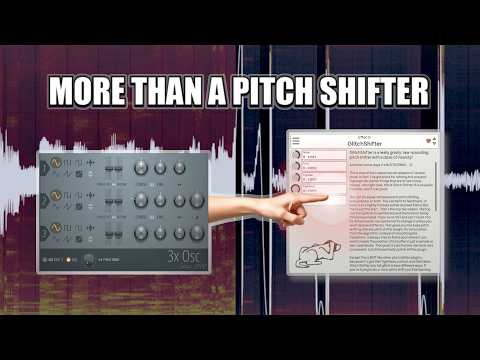
This FREE PLUGIN is esentially IDM in a Box
Trash Sound Design

FL Studio 11- Beginner tutorial, making IDM (house, techno, break core)track from scratch 06
SELDT

Top albums

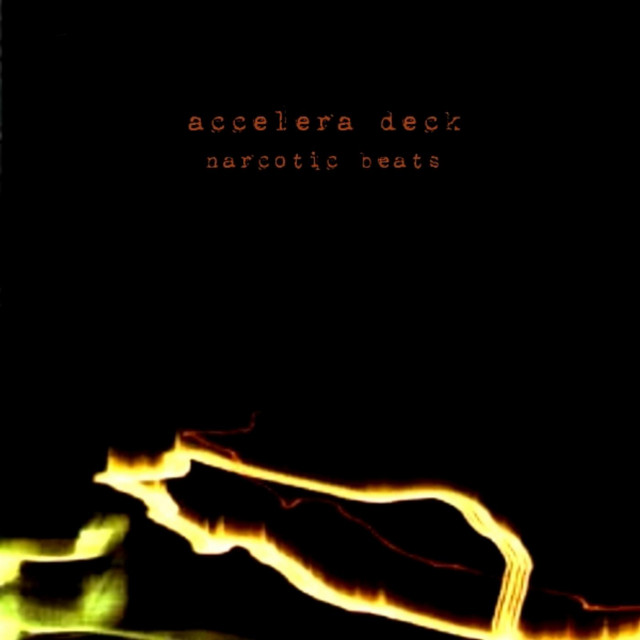

Best playlists
Deep Idm
Melodigging
The Sound of Deep IDM
Every Noise at Once
Deep Idm
Chosic

Best of Deep IDM
volt.fm

🎧"ATLAS" | Chill Vibe | Deep-House Trance IDM
Cyber Zen
Influenced by
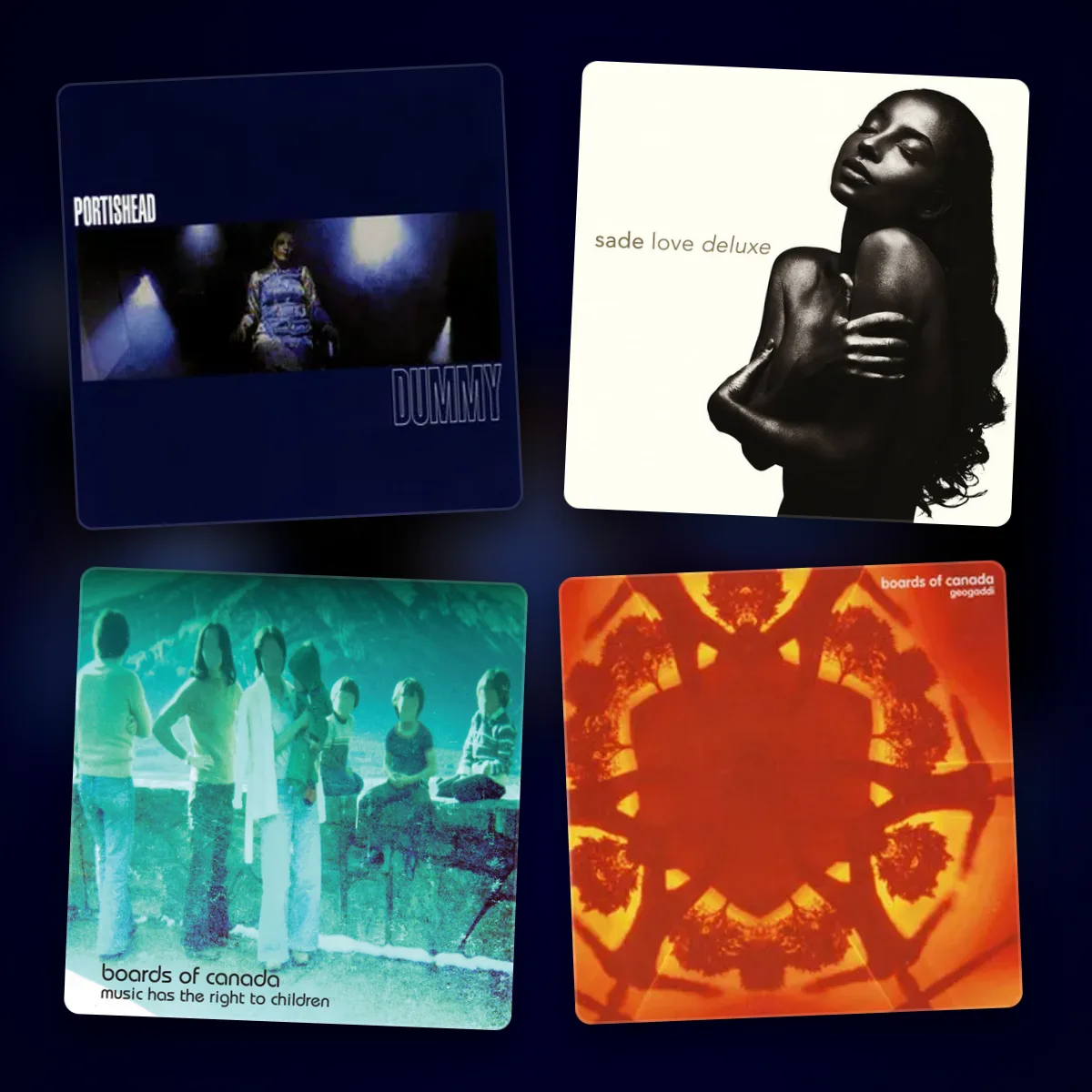


Other similar genres
Genres sharing the most artists with Deep Idm