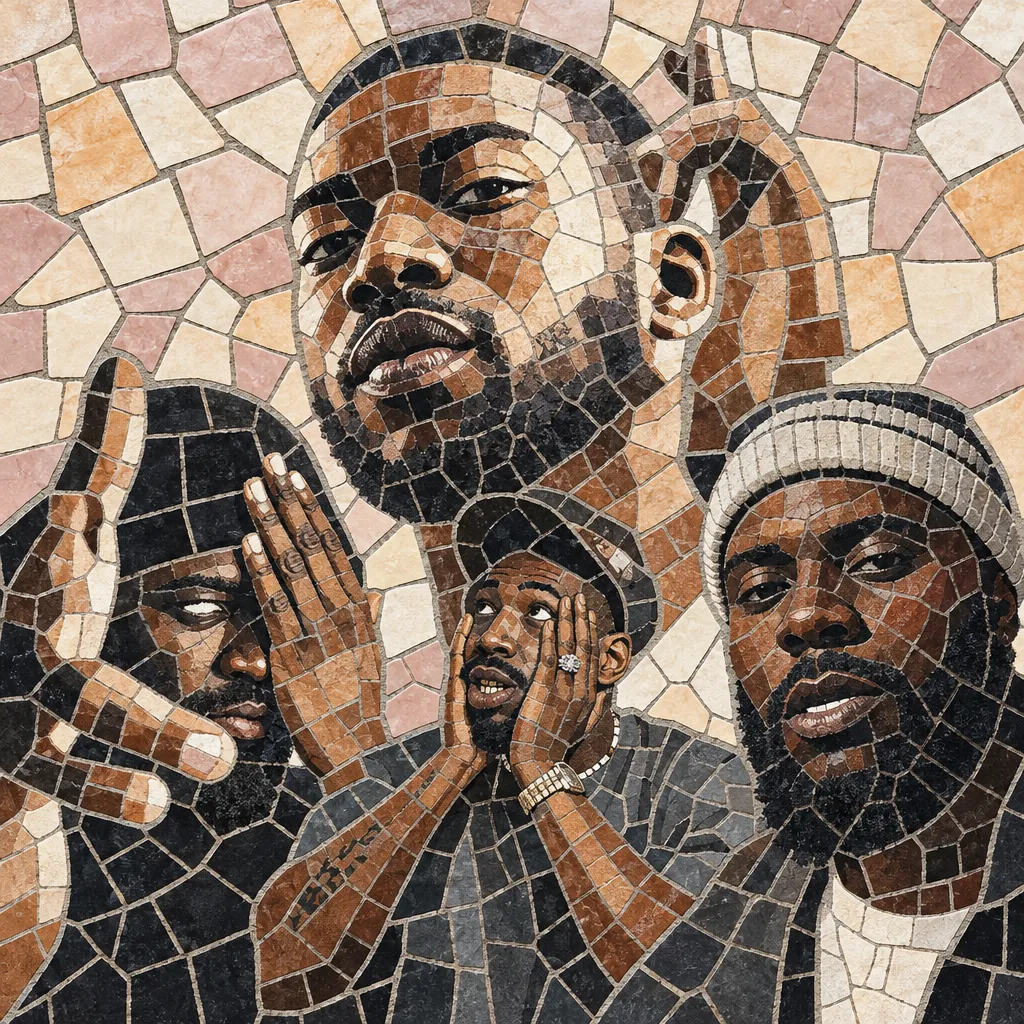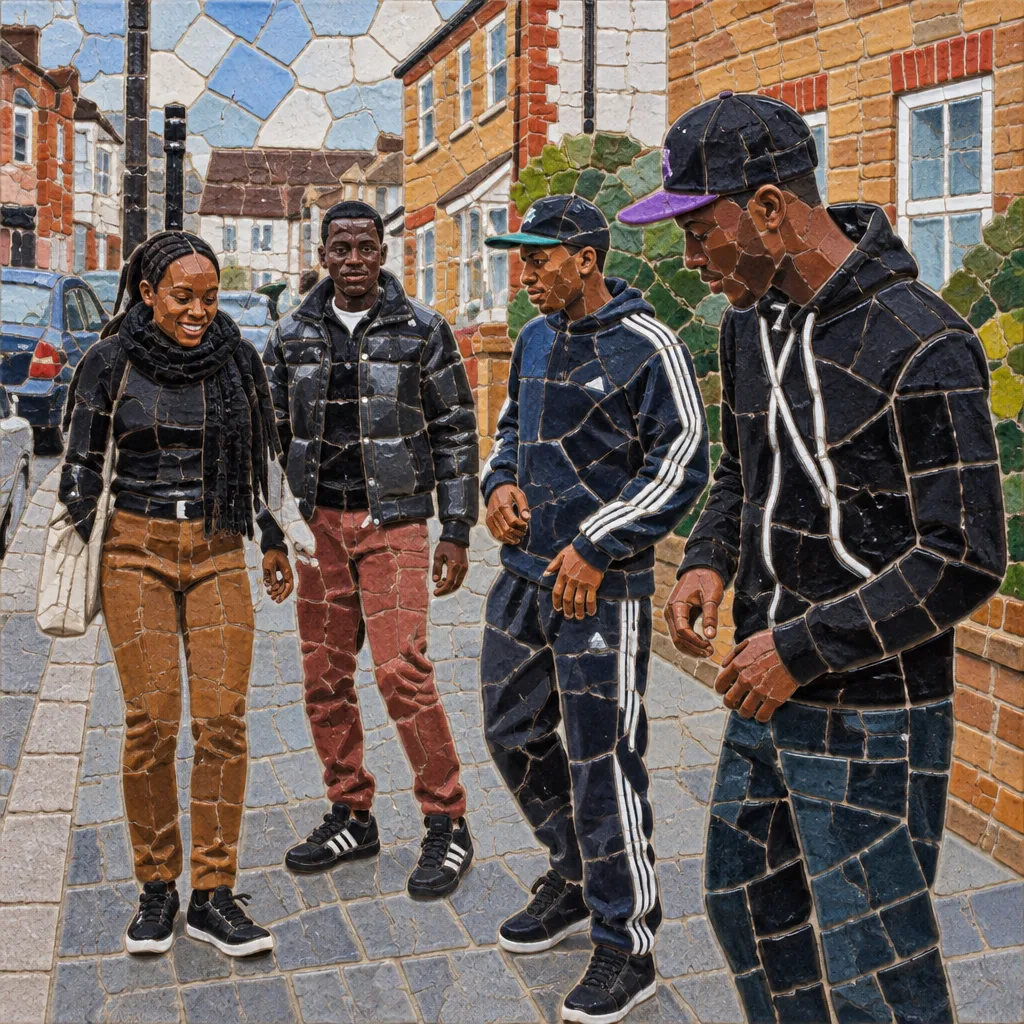
Description
Afro-Adura is a Nigerian, street-rooted branch of Afrobeats, also described as street-hop. Its distinguishing centre is lyrical rather than purely sonic: prayer-like, introspective and motivational writing joins raw street expression with stories of hardship, endurance, hustle, faith and hoped-for reward.
“Adura” means prayer in Yoruba, and the style brings spirituality into contemporary popular music. Its cultural frame connects ancestral Nigerian sounds, including Fuji and Apala, with the influence of the white-garment church tradition, while allowing contemporary Afropop, Afro-fusion and Amapiano elements. The result is emotionally direct music aimed at lived realities rather than escapism alone.
Based on: africanarguments.org, guardian.ng, notjustok.com, africanfolder.com
History
Name and setting
Afro-Adura is identified as a Nigerian sub-genre of Afrobeats; it is also known in street language as street-hop. The name combines “Afro” with the Yoruba word adura, meaning prayer. Although the label was coined recently, the musical style is described as having been in circulation earlier.
Roots
The genre’s spiritual dimension is linked to a century-old African church and, more specifically, to the white-garment church tradition. Its musical background is also described through Fuji and Apala, alongside more contemporary Pop, Afropop, Afro-fusion and Amapiano influences.
Artists and audience
Earlier prominent figures named in connection with the style include Oritsefemi, Jaywon, 9ice, Olamide and Da-grin. A younger group—including Barry Jhay, T.I Blaze, Seyi Vibez, Zinoleesky, Asake, Portable, Mohbad and Bella Shmurda—is described as championing the sound. Afro-Adura has become a voice for ghetto youth through narratives of street survival, being overlooked, faith and eventual reward.
Start with the song’s point of view
Write from a grounded street perspective. Build verses around a concrete pressure—work, poverty, rejection, endurance or ambition—then make the refrain a compact statement of prayer, hope or self-encouragement. Keep the language emotionally plain and direct rather than overly abstract.
Rhythm and instrumentation
Use a contemporary Afrobeats or street-hop rhythmic foundation, leaving enough space for the vocal message to lead. Draw selectively on the feel of Fuji and Apala, then combine it with modern Pop, Afropop, Afro-fusion or Amapiano-oriented materials. A repeating percussion-led groove, bass support and memorable vocal hook can make the prayer-like message communal.
Harmony and production
Prioritize an emotionally legible chord loop over dense harmonic movement. For struggle-focused passages, use restrained accompaniment and vocal space; let the chorus open up with fuller drums, harmonies or response lines to underline hope. Production should preserve a raw, immediate street character while retaining a clear contemporary finish.
Vocal delivery and lyrics
Balance sung melody, speech-like phrasing and chantable responses. Repeat key words of faith, resilience, hustle and hope so listeners can answer or sing along. Spiritual imagery should serve real-life storytelling: the prayer element is strongest when it responds to a specific hardship or aspiration.

THIS AFROBEATS IS ACTUALLY FIRE 🔥. [GUITAR AFRO BEAT TUTORIAL ON FL STUDIO ]
ZayKay

Top albums

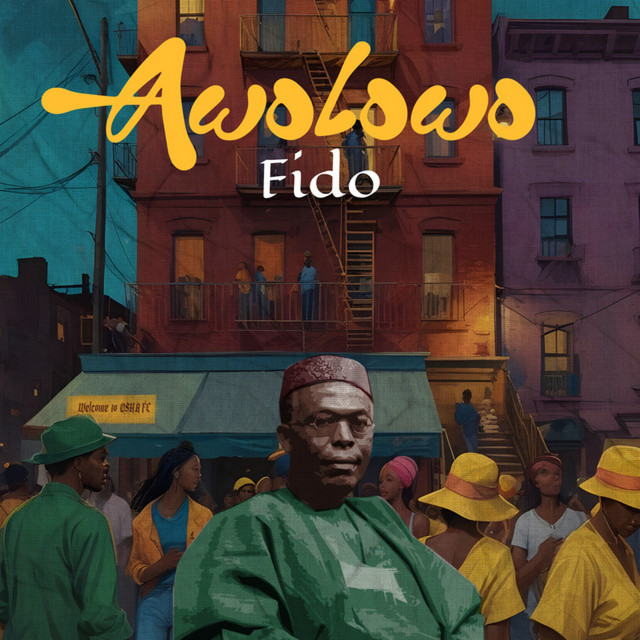

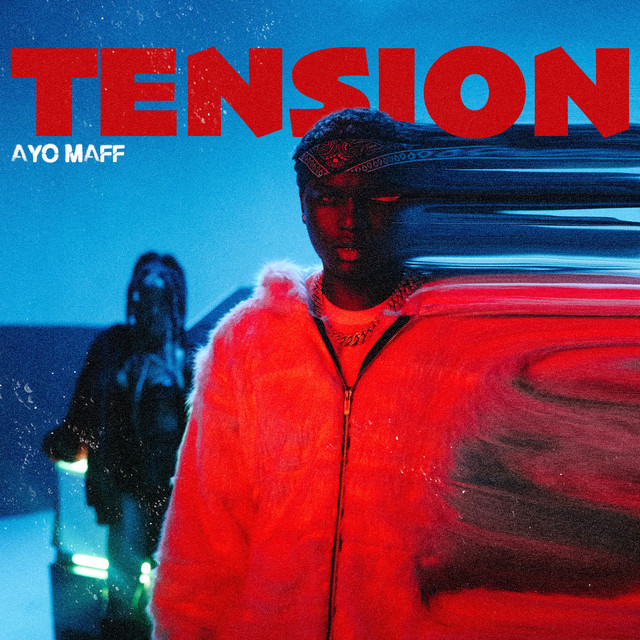




Best playlists

Influenced by




Other similar genres
Genres sharing the most artists with Afro Adura