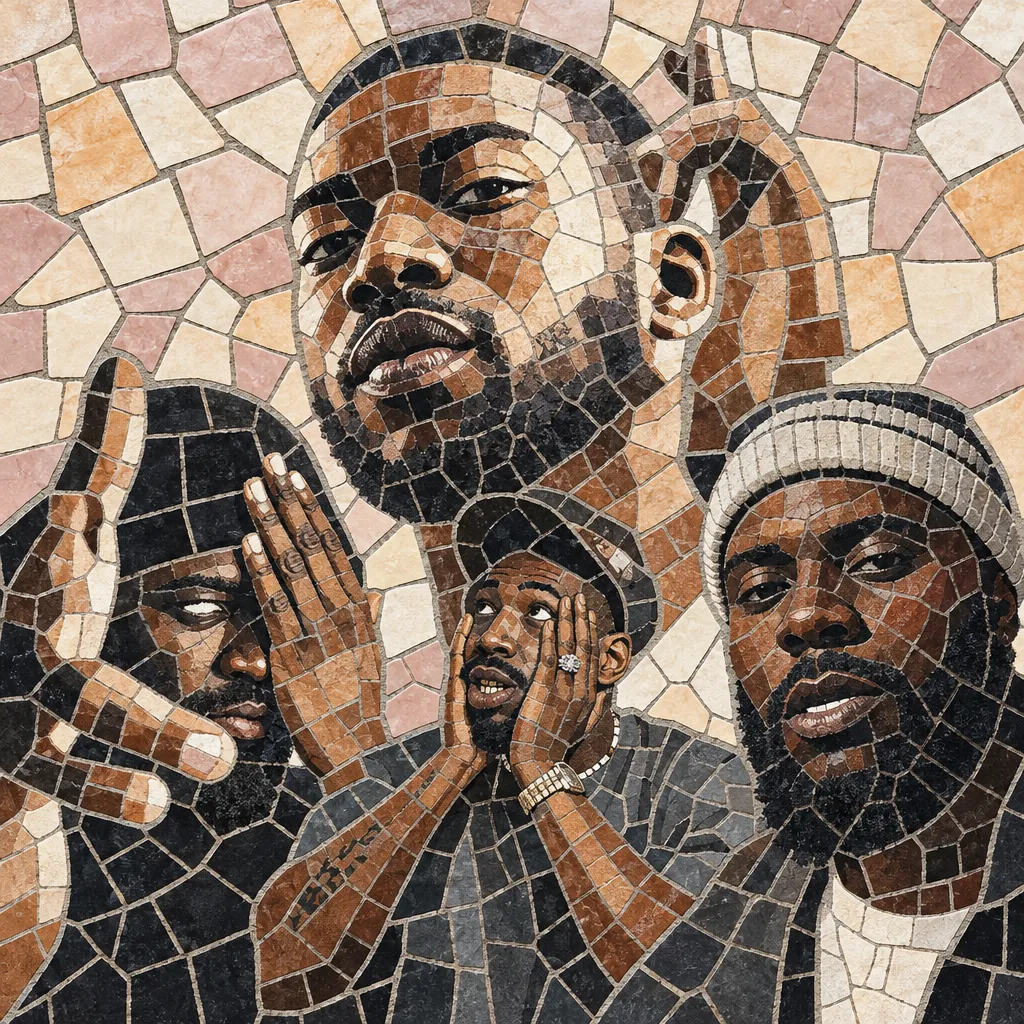
Description
Nigerian drill is a national scene within drill, rather than a single sound shared by all its artists. Young rappers have developed a gritty underground current strongly influenced by UK drill, delivering forceful lines over punishing beats. They move between English and their native languages, using drill to address Nigerian experiences as well as the street rivalries and hedonism associated with the wider genre.
The scene has occupied an outsider position in Abuja’s music landscape, alongside a Nigerian industry in which Afropop-oriented music has attracted global attention. Collaboration and support between performers are important parts of its local culture.
Based on: dazeddigital.com, zikoko.com
History
A Nigerian underground current
Drill began in Chicago and spread internationally before a new wave of Nigerian rappers drew particularly on its UK iteration. In Abuja, drill developed as an underground presence on the margins of a music landscape more widely associated with Afropop.
Visibility and subject matter
Nigerian rappers have used drill to discuss issues including police brutality and corruption. Their uncompromising portrayals of local life have resonated in the aftermath of the 2020 #EndSARS protests and their violent crackdown.
By 2023, the music was gaining visibility under the name +234 Drill. Collaboration remained central to the scene, with performers supporting one another and bringing energy to each other’s performances.
Beat and delivery
Begin with a hard, punishing drill beat and a direct, energetic rap delivery. Aim for sharp lines and vivid detail rather than relying solely on generic images of street rivalry. You could move between English and a native language, using the change of language to shape the flow or emphasize a thought.
Subject and collaboration
Write from a particular experience of Nigerian life; social issues and the pressures of immediate surroundings can provide material for a verse. Collaborate with another rapper, or use supportive hype vocals to build the communal energy associated with the scene.
Arrangement
A common approach in drill is to build the track around a recurring drum and bass pattern, leaving space for the voice to lead. You could vary the backing between verses and hooks, then use the hook or a group response to make the track work in performance.

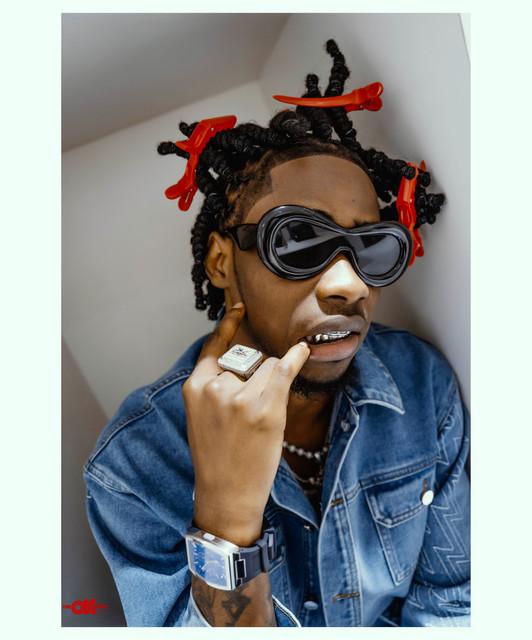
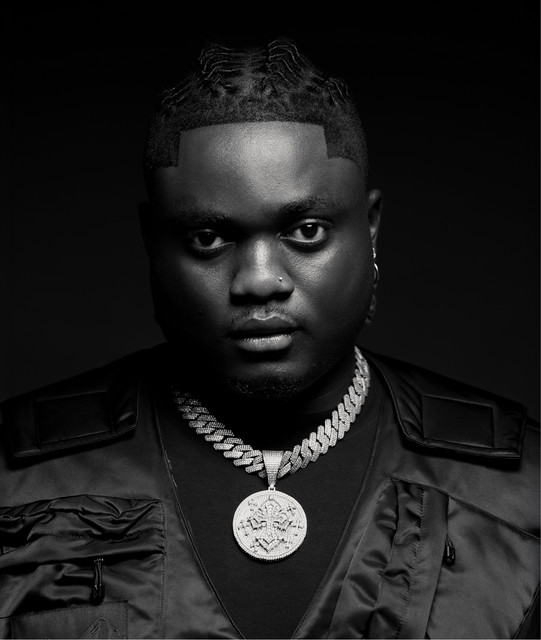
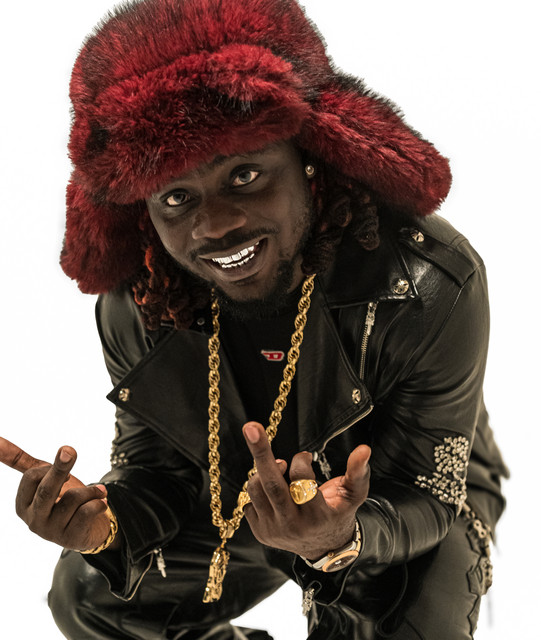
Best playlists
Naija Drill | Nigerian Drill | Rap | Nigeria | Abuja | Odumodu
TheGrootofEvil
Nigerian Drill
DTB
Eastern Nigerian Drill🇳🇬
Chibuzor

#Latest Naija Drill Mix #2025-By Cool (DjMula)
Dj MuLa

AFRO DRILL MIX 2025, HARDEST NAIJA & GHANA DRILL SONGS, AFROBEATS MIX, ODUMODUBLVCK, KWESI AMEWUGA
AFRO GENRE
Influenced by
Other similar genres
Genres sharing the most artists with Nigerian Drill