Description
Chill lounge moves at an unhurried pace, pairing soft electronic beats and rounded bass with warm keyboards, synthesizer pads and spacious effects. The term is used by Every Noise at Once and Spotify’s “The Sound of Chill Lounge” playlist, though written accounts of the style are scarce.
Most tracks are instrumental or nearly so. Programmed drums often settle into a gentle backbeat, with crisp snares or clicks and light hi-hats or shakers. Electric-piano chords and repeating progressions give some pieces a jazzy, soulful warmth; others favor slower minor-key harmonies and a more reflective atmosphere. Plucked strings, bell-like tones and occasional brass can add melodic detail, while brief vocal sounds may sit in the background rather than carry a full song. The production is generally clean and polished, with reverb and delay giving the music room to breathe.
The music is close to lounge in its easygoing atmosphere and to downtempo in its relaxed electronic grooves. Smooth jazz is another useful reference for the mellow melodies and polished sound. Playlist titles such as “Slow Morning,” “Beyond the Sunset” and “Footprints in the Sand” suggest restful, coastal and contemplative moods.
Based on: Every Noise at Once, Spotify's genre tags and playlist
Build a relaxed groove
Start with a slow or mid-tempo programmed beat. Use a soft kick, a crisp snare or rimshot backbeat, and restrained hi-hats or shakers. Add a smooth bass line that supports the groove without crowding it.
Shape the harmony
Draw on downtempo’s atmospheric repetition and lounge’s light touch. Cycle a few warm electric-piano or synth chords; sevenths and ninths can lend them a smooth jazz color. For a more pensive piece, try a slower-moving minor-key progression.
Add space and detail
Layer soft pads beneath short piano, plucked-string or bell-like motifs. Use reverb and delay to create depth, keeping the low end clear and the overall mix polished. Vocals can be omitted or used sparingly as background texture.

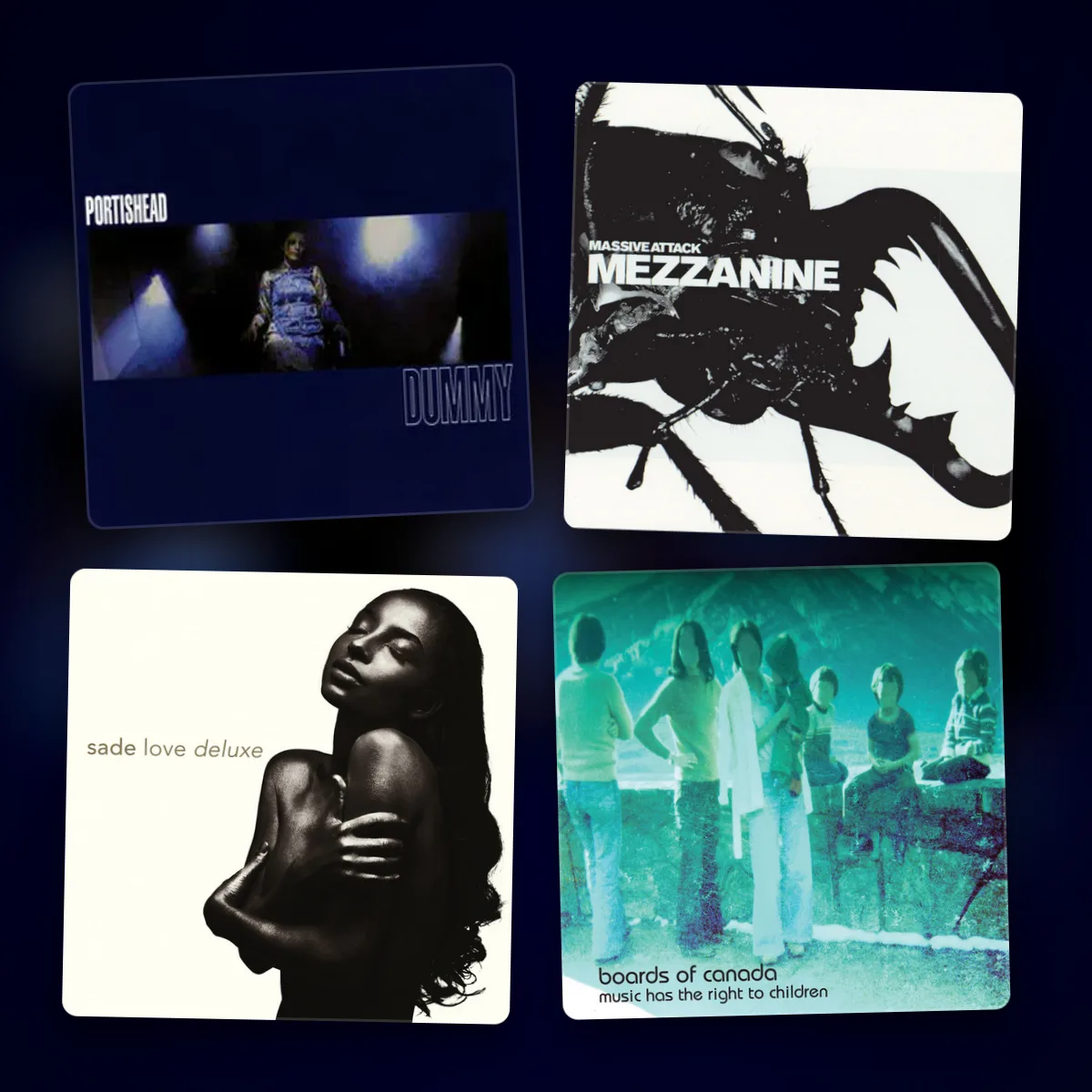
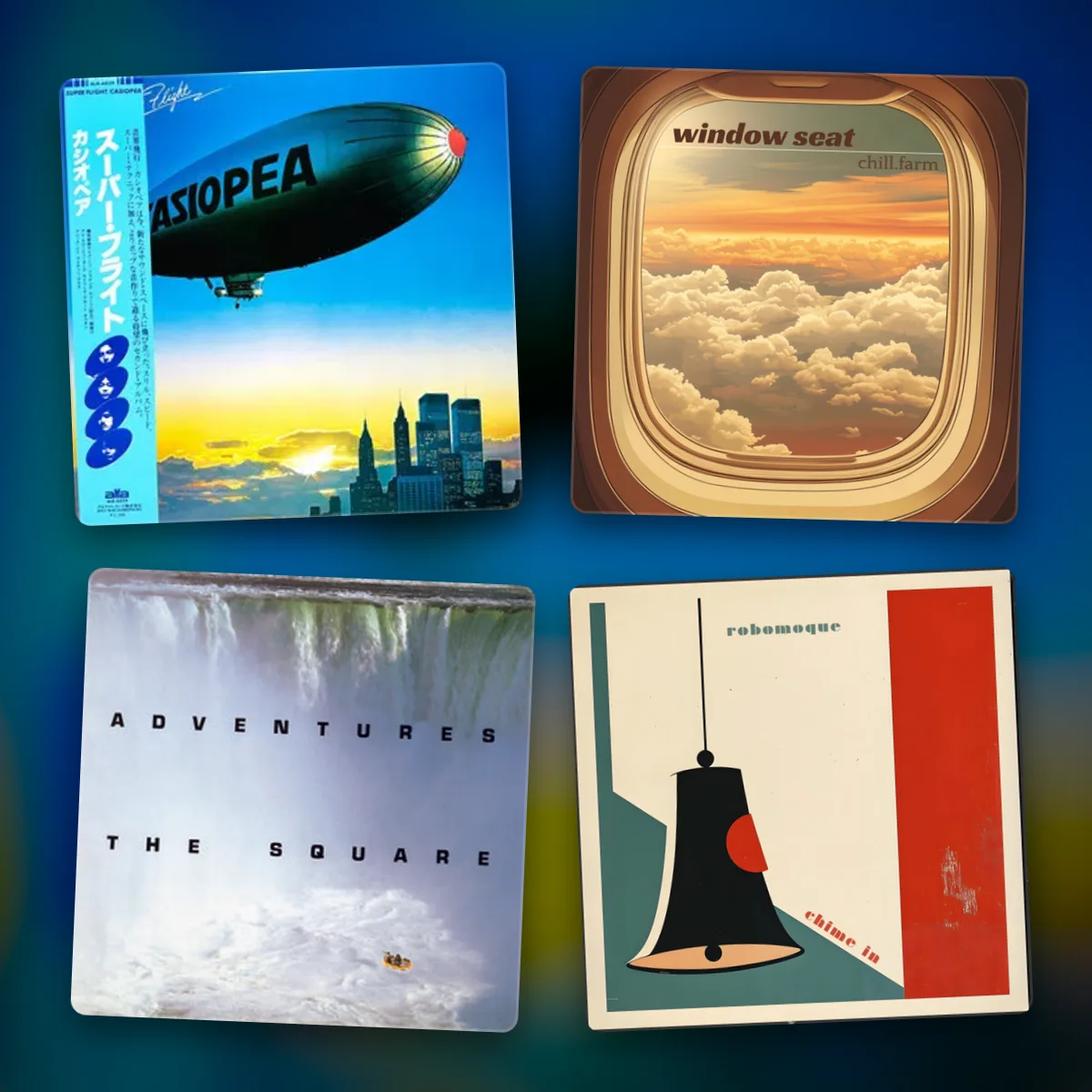
Top albums

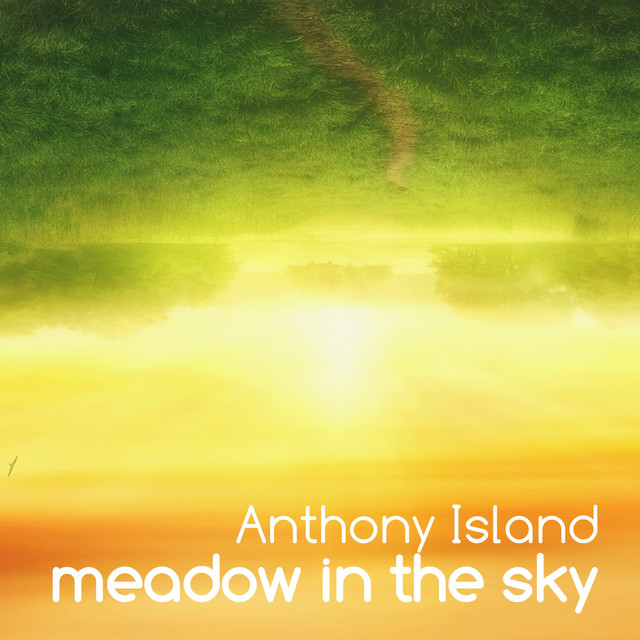
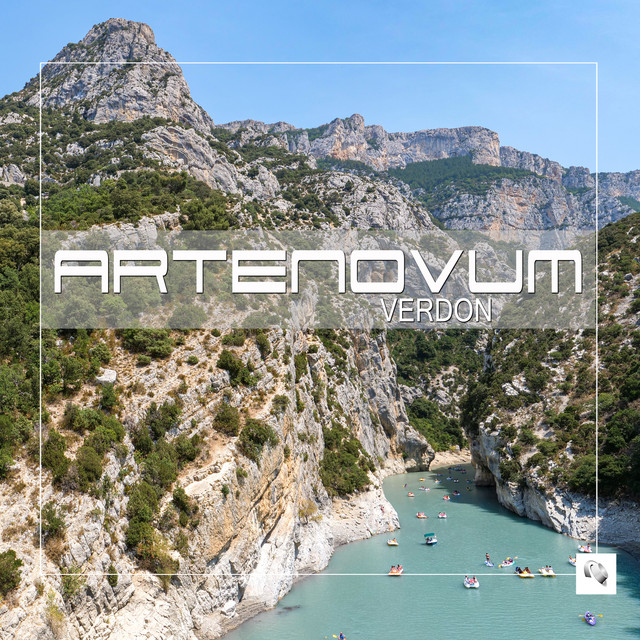
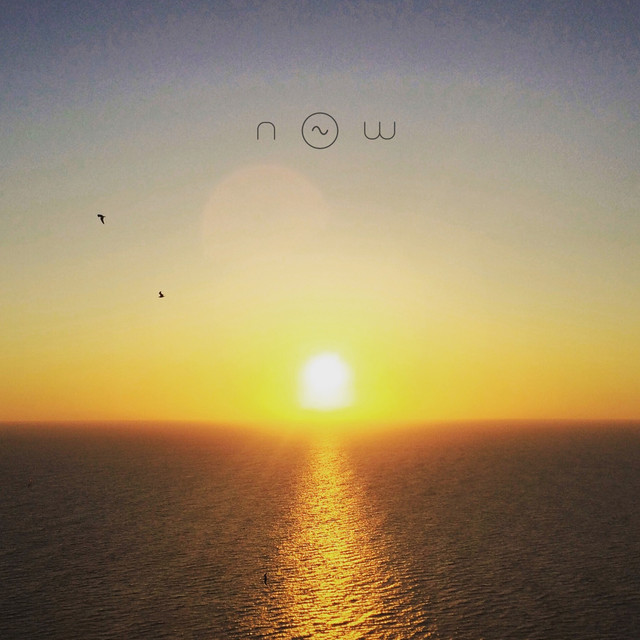




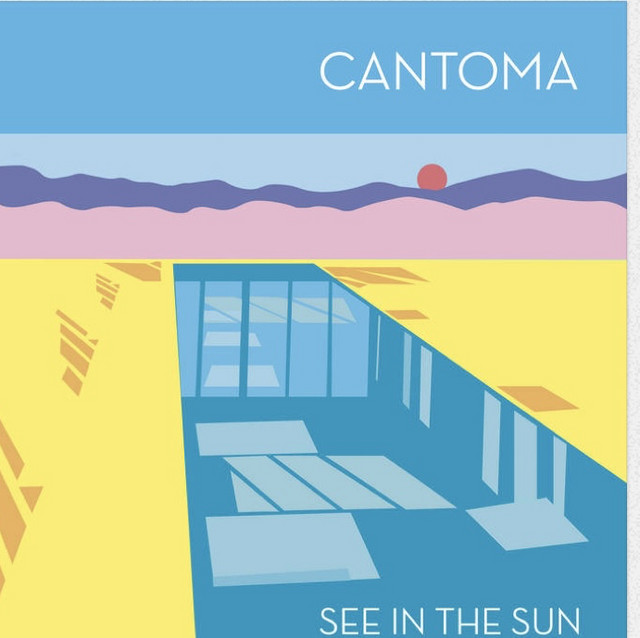
Best playlists



Influenced by
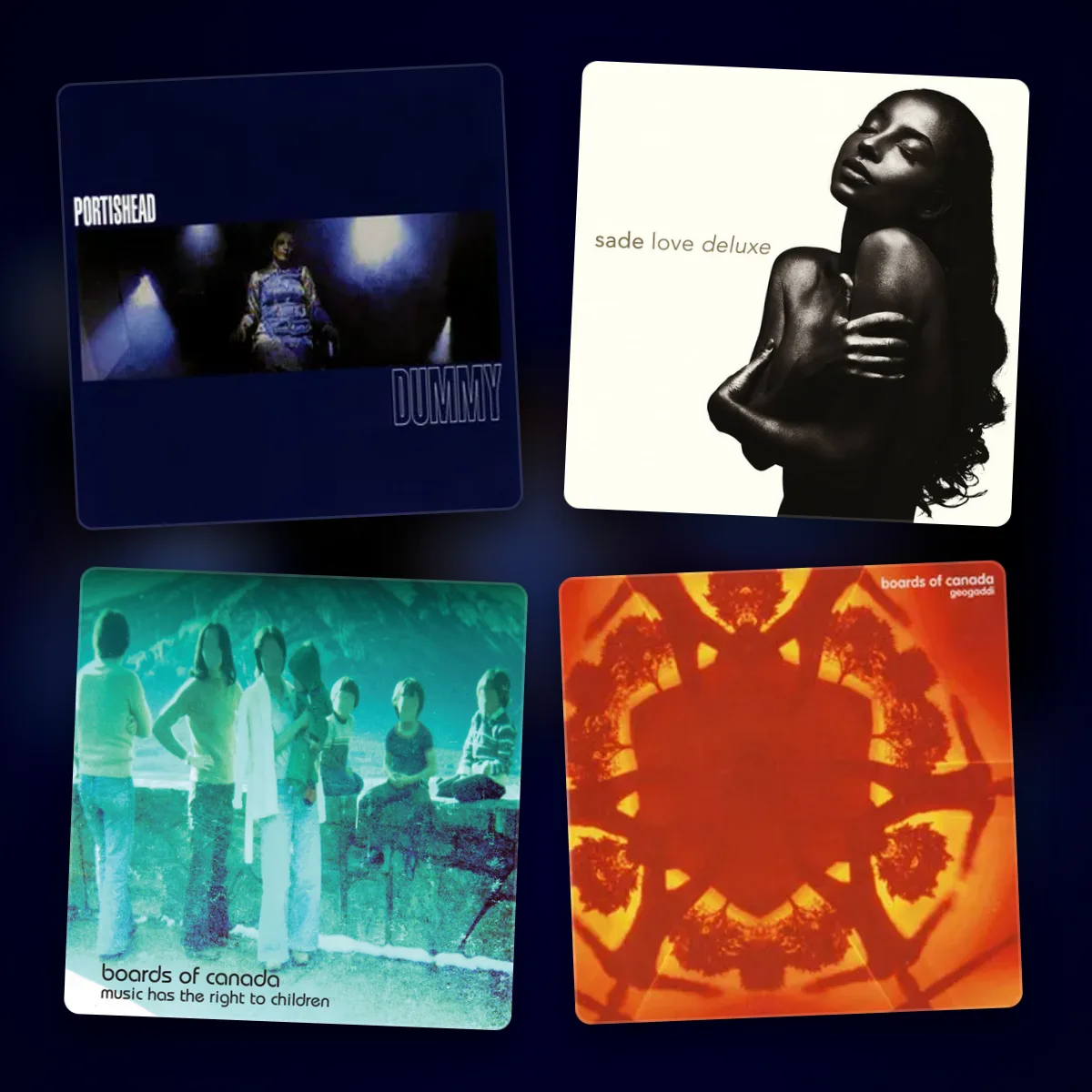

Other similar genres
Genres sharing the most artists with Chill Lounge