Description
Lounge music is a style of easy listening designed to evoke a sense of place and atmosphere—tropical islands, jungles, elegant cocktail bars, or even outer space. It prizes a chilled, urbane mood achieved through light instrumentation, lush arrangements, and crooning or wordless vocals.
Rooted in earlier light music and crooner traditions, classic lounge blossomed in the 1950s and 1960s alongside hi‑fi and stereo “space age” culture. It draws from Dixieland and small‑combo jazz, Latin dance rhythms (mambo, cha‑cha, bossa inflections), novelty/gimmick songs, and occasional experimental studio techniques. The spectrum ranges from exotica and beautiful‑music instrumentals to suave, jazzy vocal numbers—and in modern eras, it can intersect with downtempo and electronica while keeping its retro, escapist ambiance.
More on: Wikipedia, Rate Your Music, Discogs, MusicBrainz, Every Noise at Once, Wikidata
History
Origins (1920s–1940s)
Lounge’s aesthetic antecedents appear in the interwar “light music” tradition—tuneful, orchestrally polished, and designed for relaxed listening—along with hotel and nightclub crooner repertoires. Early radio and film music cultivated the idea of background elegance, laying the groundwork for a mood‑first listening experience.
Golden Age (1950s–1960s)
The genre crystallized in the United States during the 1950s with the rise of hi‑fi/stereo culture and a fascination with the "Jet Age." Arrangers and bandleaders fused small‑combo jazz cool with Latin dance rhythms and exotic timbres (vibraphone, bongos, bird‑call effects). Exotica and space‑age pop—often considered overlapping with lounge—popularized sonic travelogues, while suave vocalists brought crooning into cocktail settings. The music thrived in lounges, hotel lobbies, and living rooms as aspirational, escapist sound décor.
Transition and Persistence (1970s–1980s)
Rock and soul eclipsed lounge commercially, but its cues lived on in easy listening radio formats, library music, and film/TV scores. The core idea—music as sophisticated ambiance—remained embedded in production and media music.
Revival and Reinvention (1990s–Present)
A 1990s “bachelor‑pad”/cocktail revival (reissues, compilations, and new acts) brought classic lounge back to hip clubs and cinemas. Contemporary producers folded lounge sensibilities into downtempo, chillout, and nu‑jazz, blending vinyl crackle, brushed drums, vibraphones, and strings with modern beats. Today lounge persists as both a retro repertoire and a living approach to mood‑driven arranging, from boutique bars to playlists and boutique electronica.
Core instrumentation
• Start with a light, elegant palette: vibraphone, piano, upright bass, brushed drum kit, nylon‑string or clean electric guitar, and small percussion (bongos, shakers, congas).
• Add color with strings, flutes/clarinets, muted trumpet, and occasional wordless choir or “ooh‑ahh” backgrounds. For exotic/space‑age touches, consider marimba, bongos, theremin‑like glides, or tape/echo effects.
Rhythm and groove
• Favor relaxed to mid‑tempo feels (60–110 BPM). Use gentle swing, cha‑cha, mambo or bossa‑tinged patterns; keep grooves smooth and unintrusive.
• Brushed drums and softly syncopated Latin percussion deliver movement without dominating the soundscape.
Harmony and melody
• Use jazz‑influenced harmony: major 7ths, 6/9s, and gentle ii–V–I cycles. Borrow color via modal interchange (e.g., iv in major, bVII).
• Melodies should be singable and suave—think crooner lines or vibraphone/flugelhorn leads with tasteful ornaments but clear phrasing.
Arrangement and production
• Keep textures uncluttered; prioritize balance and stereo “space.” Double lines subtly (e.g., vibraphone + flute) for sheen.
• Apply plate/spring reverb, light tape echo, and classic stereo panning. For period flavor, reference 1950s–60s hi‑fi staging; for modern lounge, blend with soft synth pads and understated electronic beats.
Vocals and lyrics
• Crooning or intimate close‑miked vocals work well. Lyrics can be romantic, escapist, or lightly whimsical; often, wordless vocals sustain the mood without pulling focus.
Modern approaches
• Fuse classic timbres with downtempo electronica: sampled vibraphone hits, upright‑bass emulations, lofi keys, and side‑chained pads.
• Master for smoothness over loudness: gentle dynamics, rounded transients, and a warm tonal balance emphasize the relaxed ambiance.

Top albums


Best playlists


Scenes
The local, national and historical scenes of Lounge
Influenced by


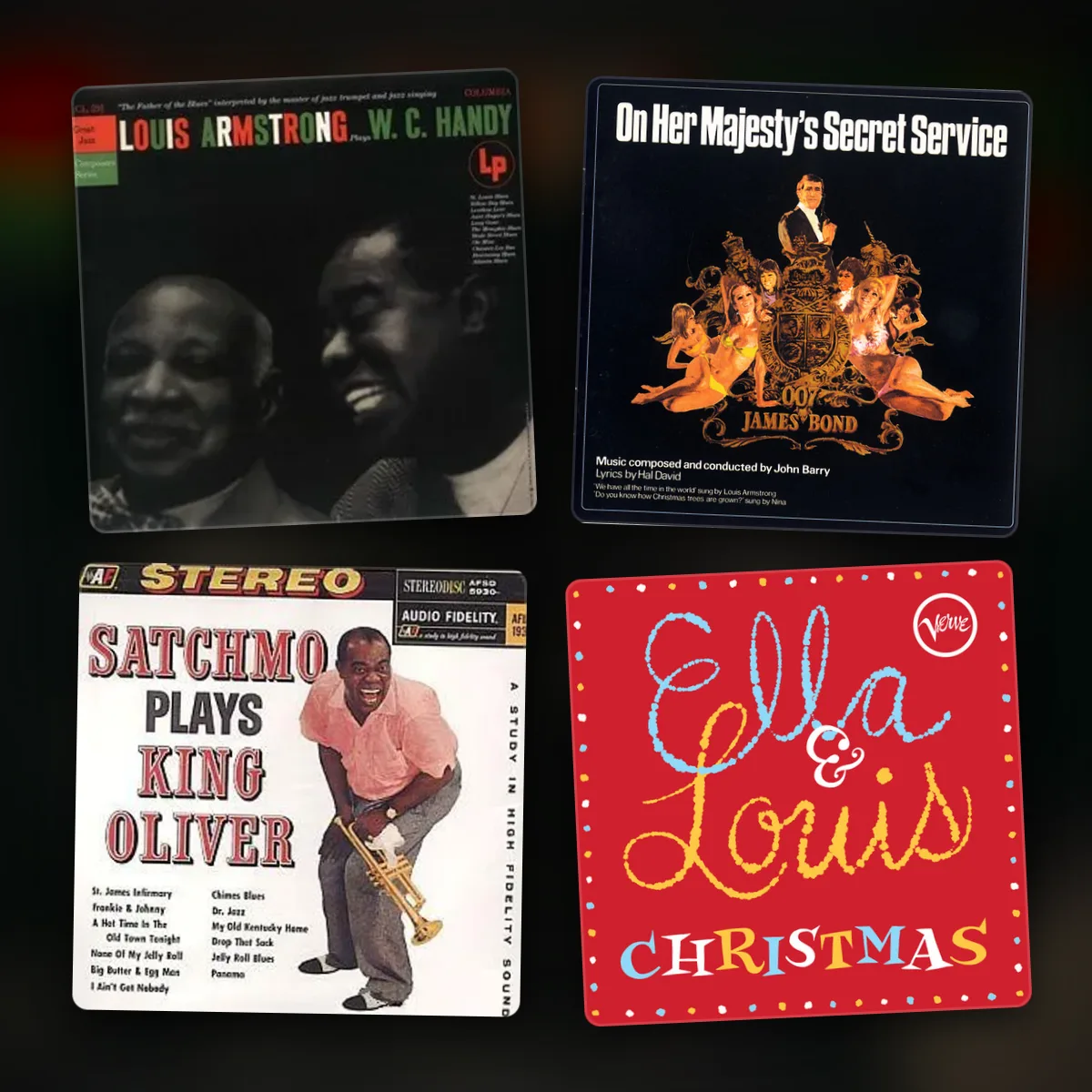
Has influenced
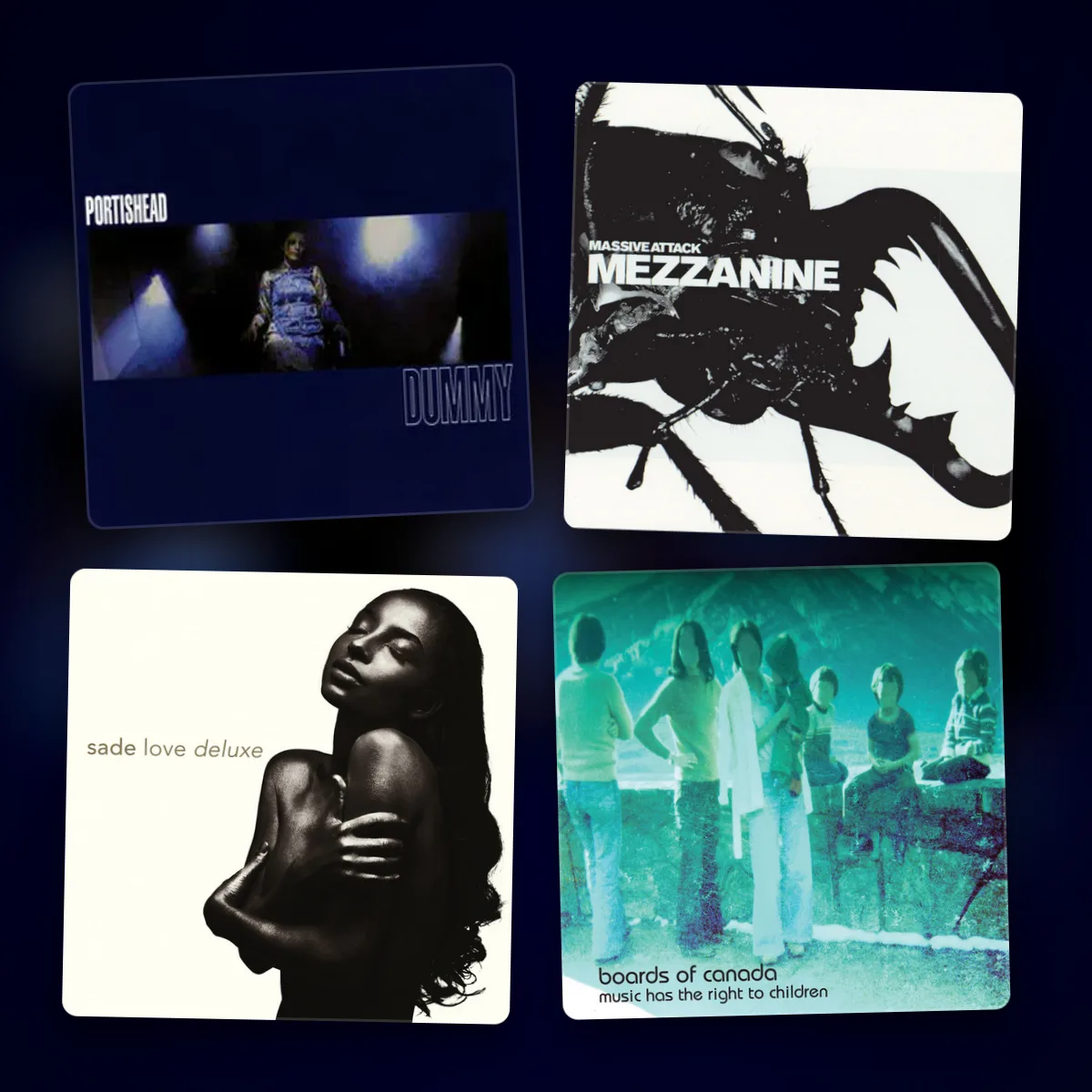
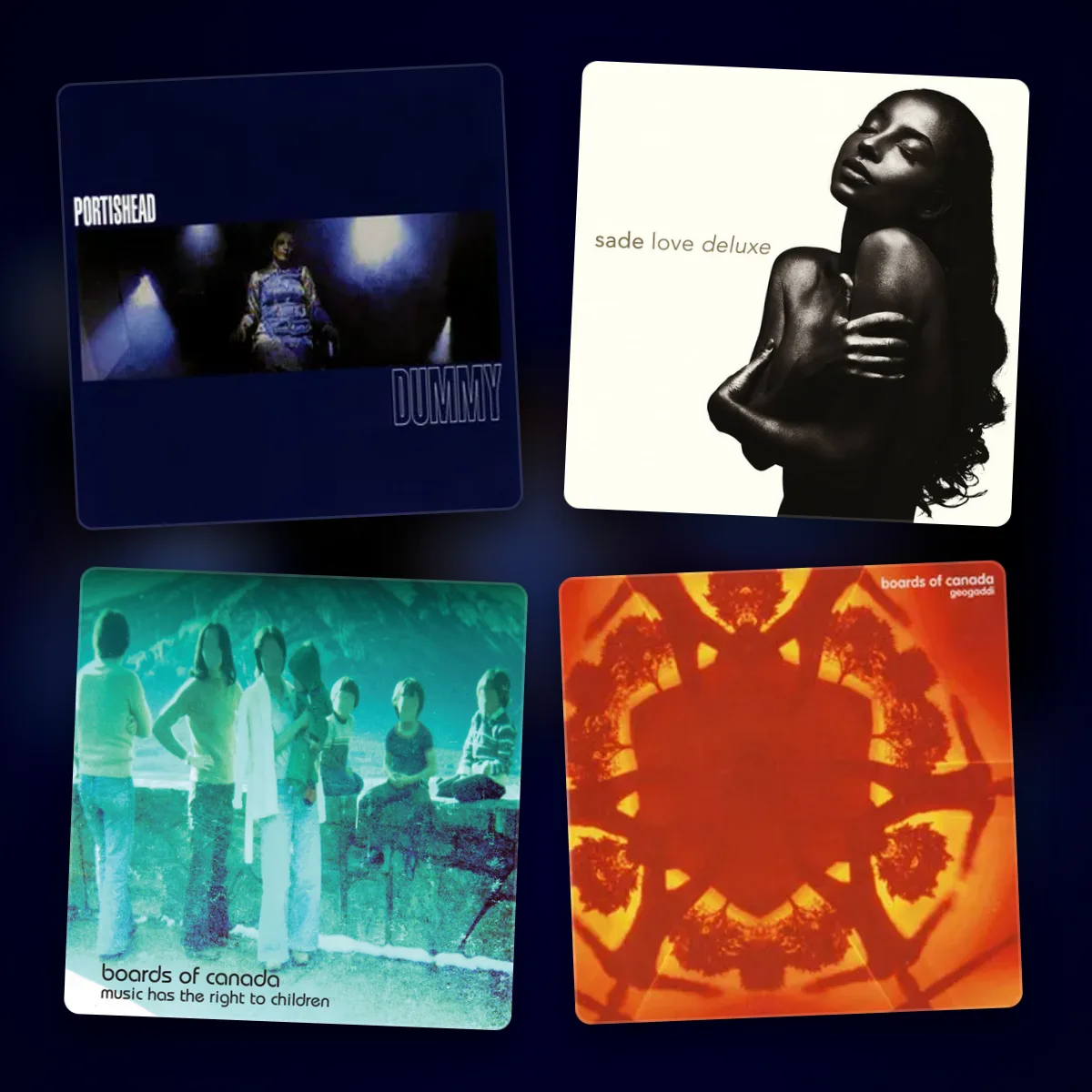

Other similar genres
Genres sharing the most artists with Lounge