Description
Chinese indie is a national independent-music scene rather than a single musical style. Its documented indie-rock currents range across punk and post-punk, drawing on a broad collection of earlier rock traditions.
Bands have combined influences from abroad with ideas connected to their own cultural heritage and social surroundings. The scene has also depended on a network of clubs, labels and festivals, with local activity extending beyond Beijing to other major Chinese cities.
Based on: news.dukekunshan.edu.cn, taipeitimes.com
More on: Every Noise at Once

China's Underground Music Is Weirder Than You Think
Bandsplaining

“Why CNY songs all sound so ‘CINA’?” #music #pentatonic #chinesenewyear #piano #musicscale
Bernard Tan
History
Emergence
The Chinese indie-rock scene emerged in the 2000s. By then, listeners with internet access could discover a wide range of music from abroad, while bands drew on influences from several earlier decades at once.
Beijing's mid-2000s scene
By the middle of the decade, Beijing had developed an indie-music industry of clubs, bands, labels and festivals. Its punk and post-punk cohort included SUBS, PK14, Hedgehog, Carsick Cars, Joyside and Re-TROS. Important venues included D-22, 2 Kolegas, Yugong Yishan and Mao Live House.
Historian Andrew Field identifies 2007 as both a high point and a turning point for Beijing's independent-rock scene. The scene also attracted international media attention, and indie-rock clubs and scenes later became established in many major Chinese cities.
Combine influences
Start with the broad palette associated with the scene rather than a fixed formula. You could put a punk or post-punk foundation alongside ideas from rock and roll, industrial music, new wave or grunge. Try combining influences from different periods within the same song instead of treating each as a separate exercise in imitation.
Make it personal
Look to your own surroundings and cultural experiences for ideas, as well as to records you admire. You might let those ideas shape the subject of a song, its atmosphere or the way its contrasting musical influences fit together.
Build an indie-rock arrangement
A common approach in indie rock is to develop a song around a recurring guitar or bass part, then use drums and changes in texture to give sections their own character. You could begin with a spare band arrangement and add layers where they make the contrast between influences more effective. Experiment with playing the material in a small live setting as well as refining it in rehearsal.

Learn Chinese Through Music: 25 Indie & Underground Mandarin Songs
Skritter

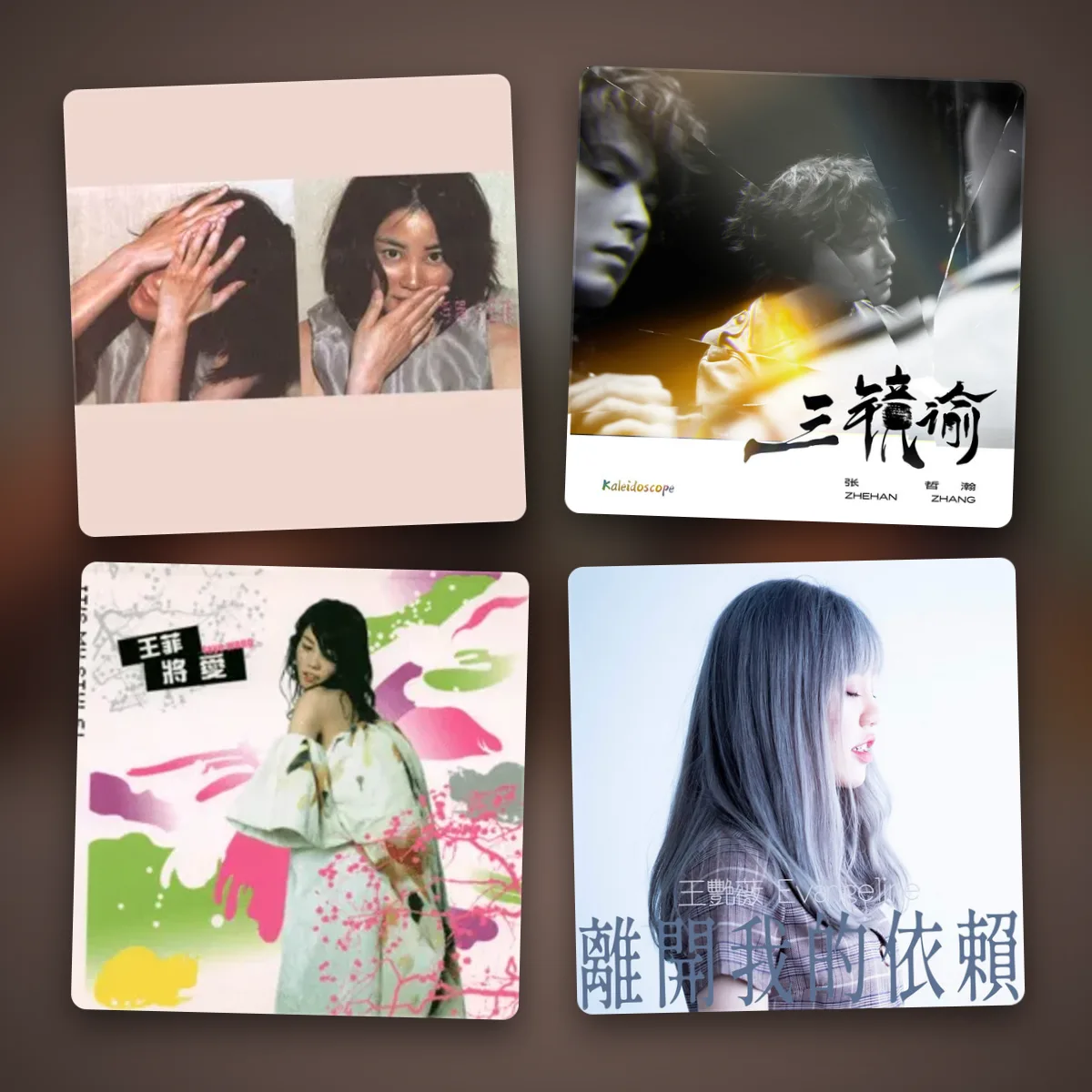
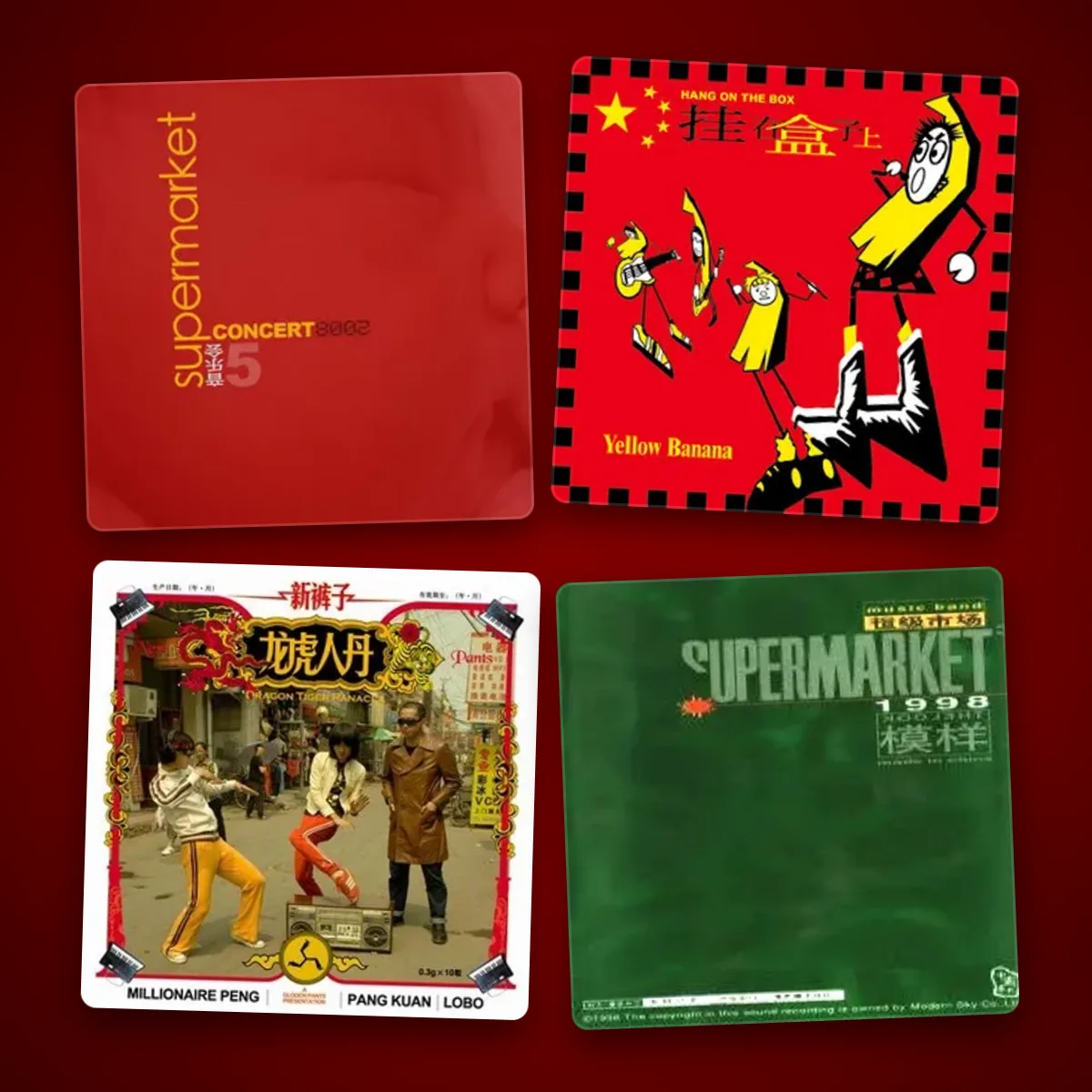
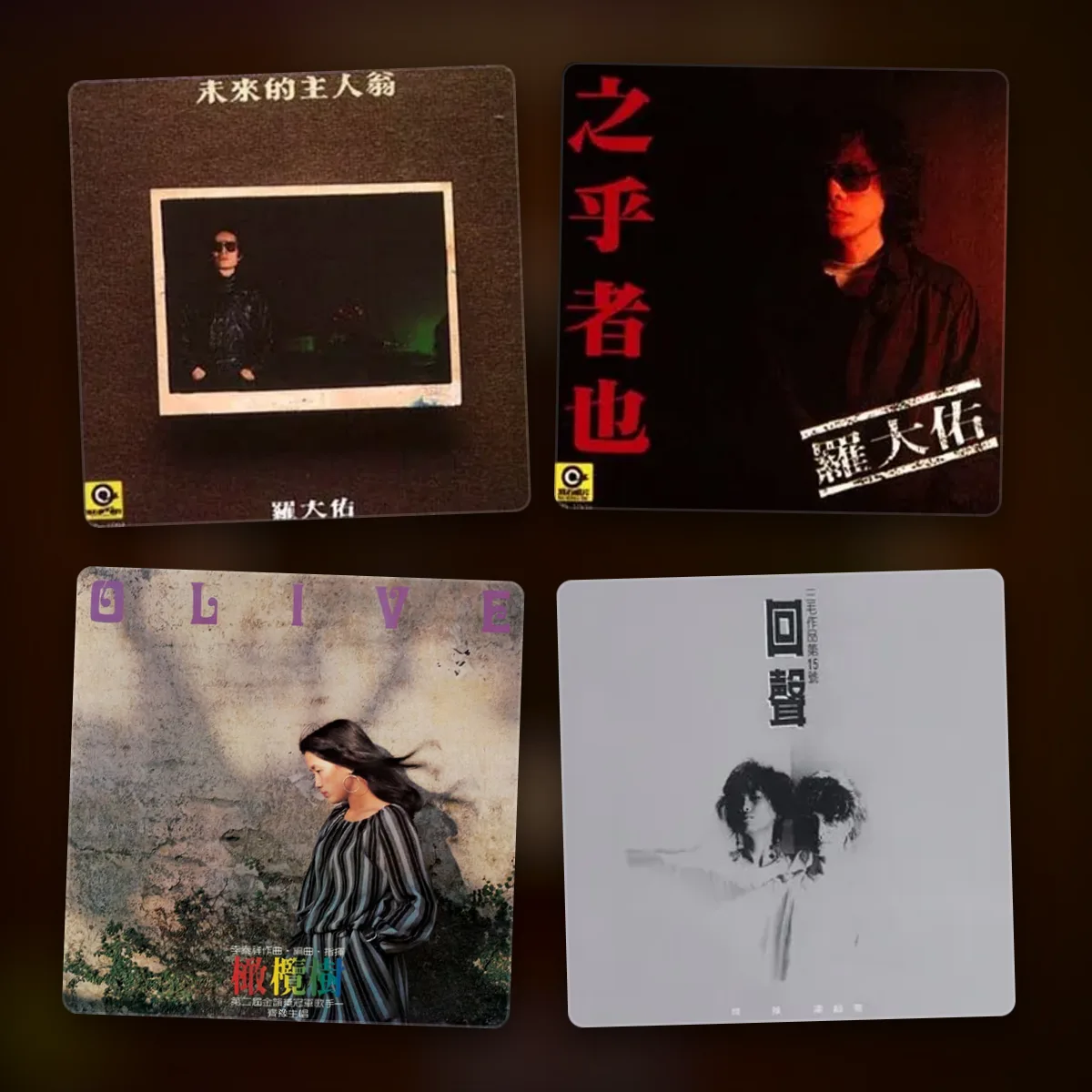
Top albums







Best playlists

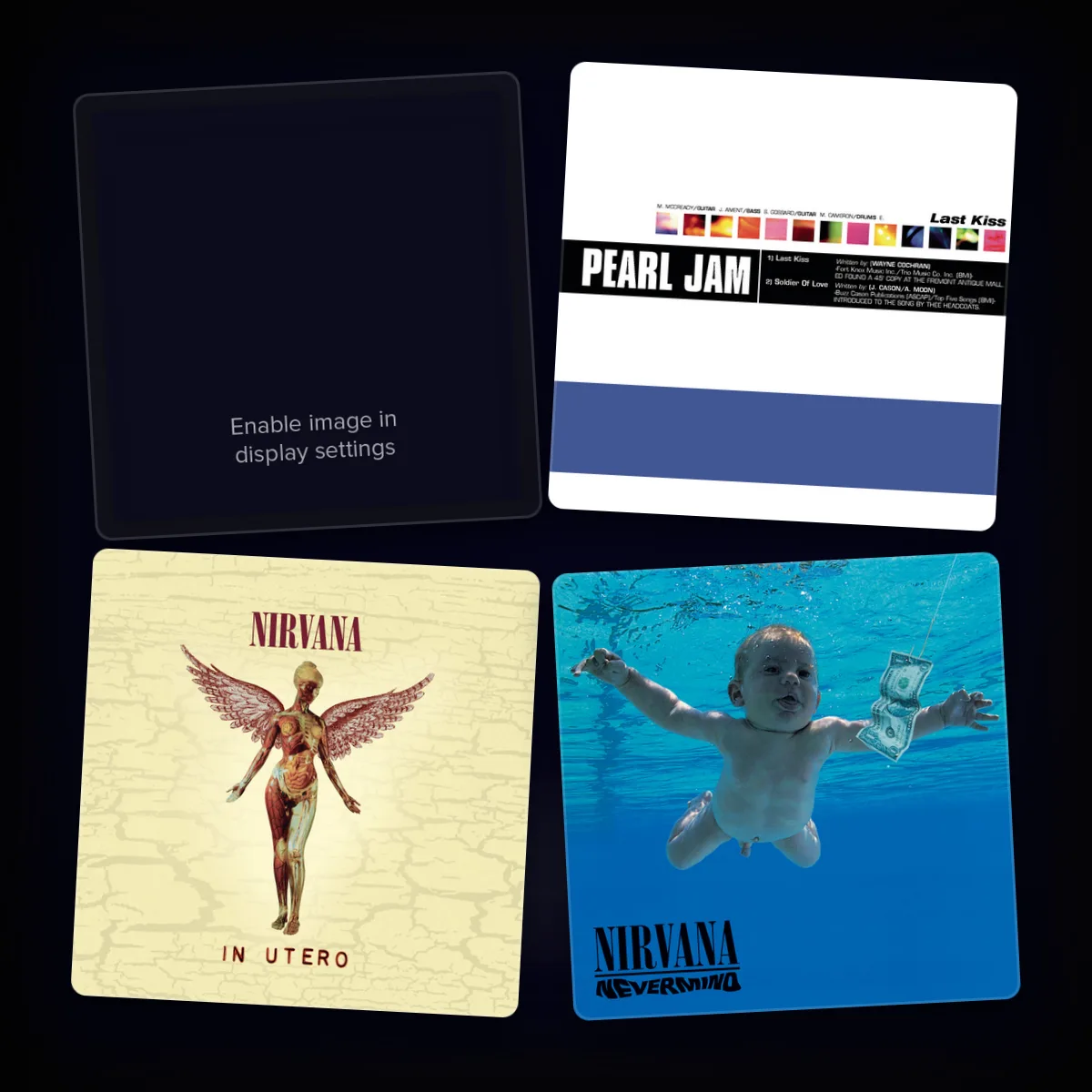
Influenced by

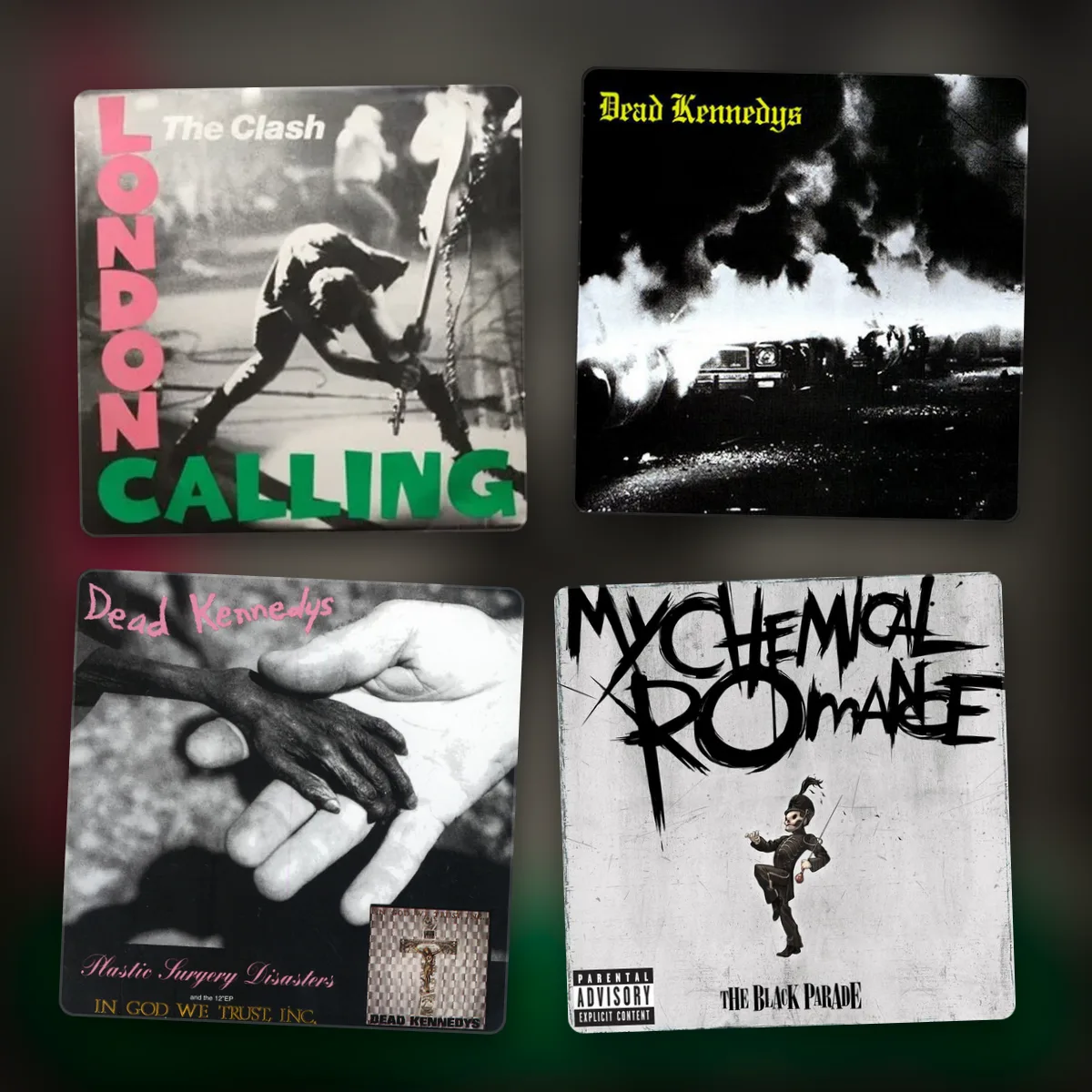

Other similar genres
Genres sharing the most artists with Chinese Indie