Description
Chinese R&B brings smooth, often breathy singing to slow or mid-tempo electronic grooves, with deep bass, crisp snares and soft synths. The term is used by Every Noise at Once, Spotify’s genre labels and the playlist “The Sound of Chinese R&B,” though published descriptions are scarce.
The music often has a dreamy, intimate or late-night atmosphere. Programmed drums set a relaxed pulse, sometimes with quick trap-style hi-hat rolls, while electric piano and clean guitar add chords and melodic detail. Layered harmonies and ad-libs surround the lead vocal, which may be pitch-corrected and treated with reverb and delay. Some songs move between singing and melodic rap; others lean toward catchy pop hooks or wistful, jazz-inflected chords.
Artists in this Chinese R&B scene are also associated with c-pop, mandopop and Chinese hip hop. Songs commonly mix Mandarin and English, and titles point to romance, longing and nights spent together or apart. The playlist’s releases are mostly from the early 2020s.
Based on: Every Noise at Once, Spotify's genre tags and playlist
Groove and harmony
Start with a slow or mid-tempo programmed beat: use a deep kick, a crisp snare or clap, and steady or syncopated hi-hats. Add occasional rapid hi-hat rolls for a touch of Chinese hip hop. Build a rounded low end with sub-bass or electric bass, then try minor chords or extended sevenths and ninths on electric piano.
Melody and production
Write a smooth vocal melody with room for breathy phrases, harmonies and ad-libs. For a brighter c-pop or mandopop direction, shape the chorus around a direct, memorable hook; for a more introspective song, let the melody linger over the chords. Mix Mandarin and English if appropriate to the song. Add warm synth pads or clean guitar, then use reverb and delay to give the vocal and instruments a spacious finish.



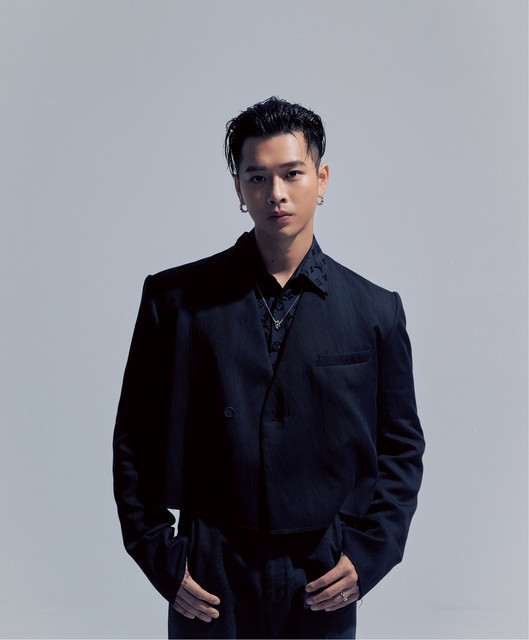


Best playlists



Influenced by



Other similar genres
Genres sharing the most artists with Chinese R&b