Description
Crank wave is a loose term for experimental post-punk associated with restless British alternative guitar music. Rather than a single uniform sound, it covers bands that draw in different proportions on noise rock, indie rock, no wave, krautrock, jazz fusion and other adventurous styles.
Vocals can hover between speech and song, while guitars may play clipped rhythmic fragments; some arrangements give space to keyboards or woodwinds instead. Rhythms and structures often resist settling into a predictable groove. Critics who hear a lack of innovation or too much similarity among some of the bands have used the dismissive label “landfill post-punk”; others emphasize the diversity of the musicians grouped under the name.
Based on: Wikipedia, nme.com, thequietus.com, explore.idioteq.com
More on: Every Noise at Once

Qu'est ce que la crank wave ?
Supersonic Paris

The Modern Post-Punk Iceberg (Crank Wave/Post-Brexit Wave)
Jacklynn Hyde
History
Early development
Crank wave emerged in the mid-to-late 2010s as an experimental strand of post-punk. Dublin’s Gilla Band is identified as its earliest group, combining post-punk with noise rock, indie rock and no wave. The sound became especially prominent around the Windmill scene in south London.
A name and a wider audience
The style gained early mainstream attention in 2018 through Idles’ Joy as an Act of Resistance, Fontaines D.C.’s “Chequeless Reckless/Boys in The Better Land” and Shame’s Songs of Praise. In 2019, John Robb used the name “wonk” for the category, while Mark Beaumont coined “crank wave.”
Expansion and debate
In the early 2020s, the sound spread further through the United Kingdom’s post-punk scene, with acts including Yard Act, Wet Leg and Squid. Some publications used labels such as “landfill Sprechgesang” and “landfill post-punk.” The latter reflected criticism that some bands lacked innovation and sounded too alike, although the musicians brought together under the broader label also pursued markedly different directions.
Build an unsettled arrangement
Start with a post-punk framework, but let the rhythm and arrangement shift rather than relying on one settled pattern. You could build a section from short, repeated guitar fragments, then change their accents or leave gaps between them. Treat the style as an open palette rather than a fixed formula.
Shape the voice and texture
Try a delivery that moves between speaking and singing. Put the voice in dialogue with the instrumental rhythm, sometimes following it closely and sometimes pushing against it. Guitars can carry the arrangement, but you could also give keyboards or woodwinds a prominent role.
Draw on related styles
For a rougher texture, borrow noisy guitar sounds from noise rock; for a more exploratory arrangement, experiment with the interaction and unexpected turns associated with free jazz or experimental rock. A dance-punk approach could provide a propulsive rhythmic foundation while leaving room for abrupt changes in texture or emphasis.

Top albums



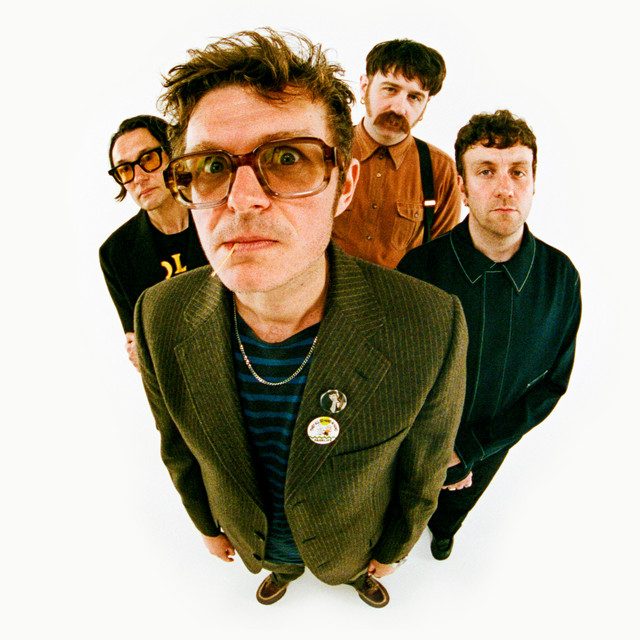
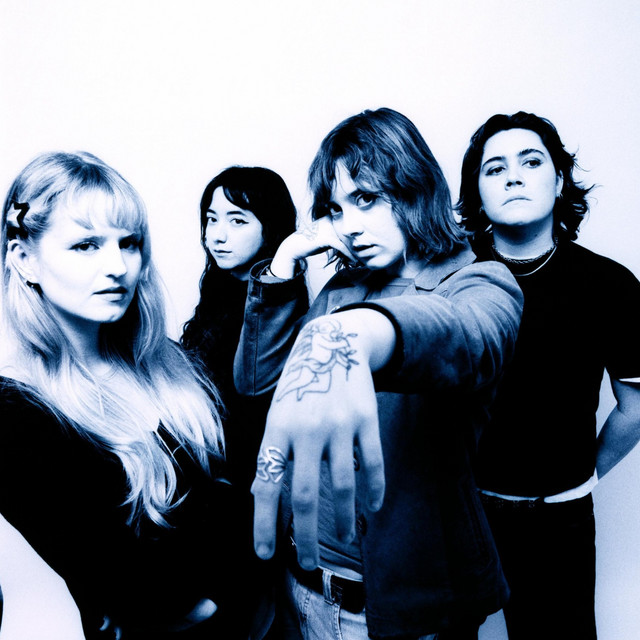
Best playlists


Influenced by
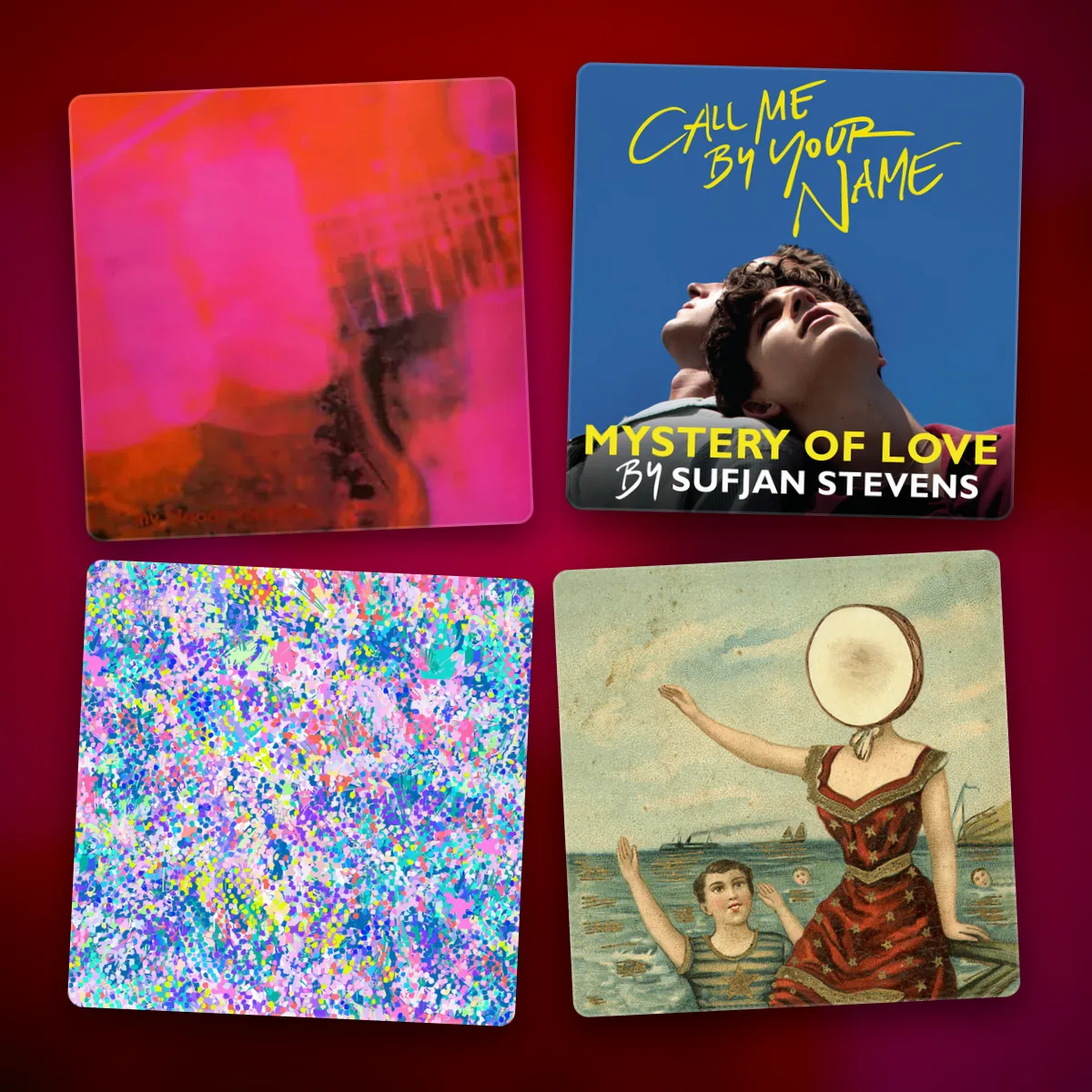
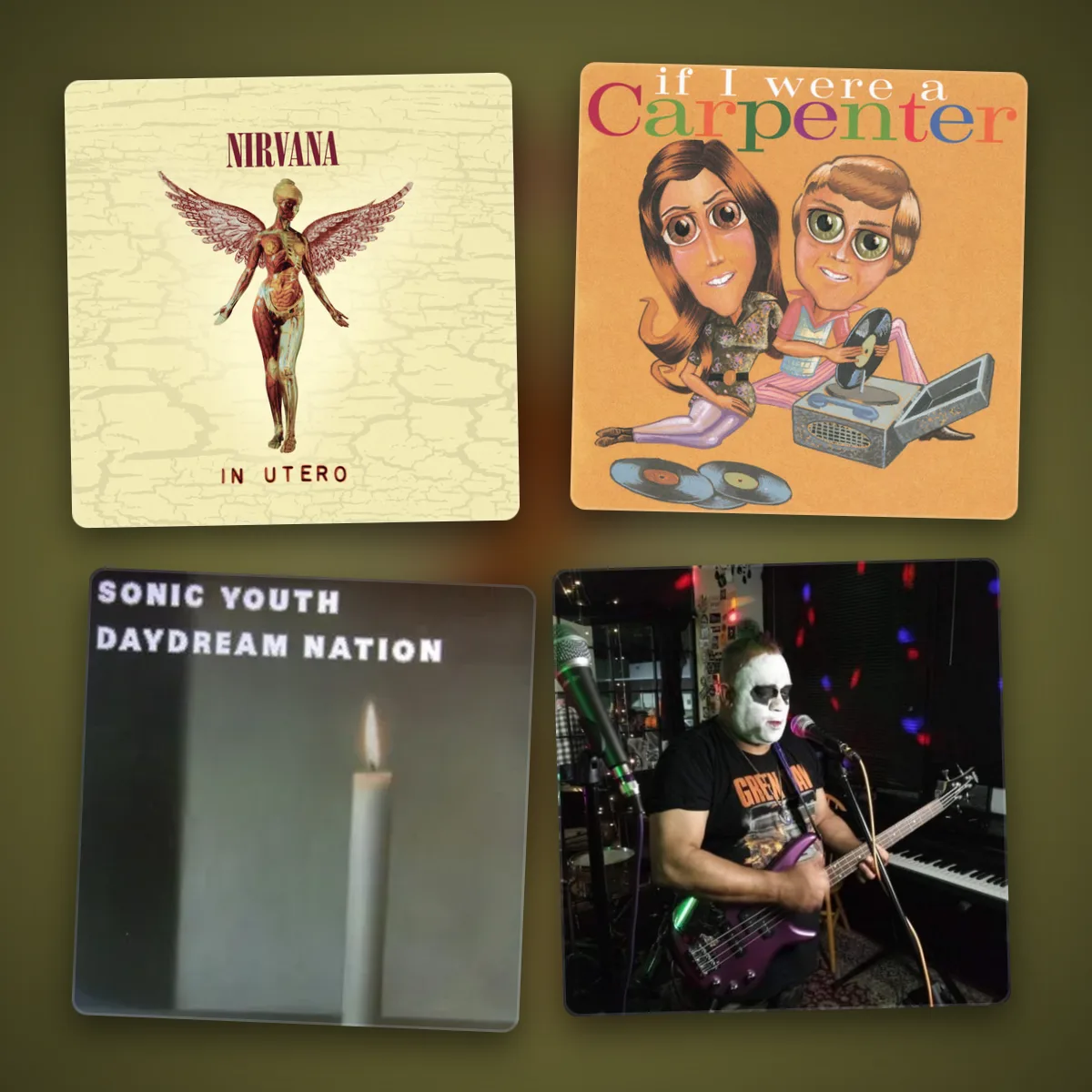


Other similar genres
Genres sharing the most artists with Crank Wave