Description
UK hip hop is the broad British scene of hip-hop music and culture, rather than a single sound. Its artists rap principally in English, drawing on regional accents, local slang and, in some cases, Caribbean patois. Early performers were influenced by US hip hop as well as the dub, toasting and sound-system traditions brought to Britain by Jamaican migrants.
The scene encompasses dance-floor electro, fast and hard-edged Britcore, jazz- and reggae-influenced rap, melodic approaches and the slow, bass-heavy street narratives of road rap. Conscious lyricism and politically engaged writing have also had a place alongside more commercial recordings. Grime and UK drill overlap with this history, though grime is generally treated as a distinct genre with its own roots.
Much of UK hip hop developed through independent labels, pirate radio and underground networks before British rappers gained a larger share of mainstream attention. Local traditions are audible not as a uniform formula but in choices of accent, vocabulary, rhythm and bass.
Based on: Wikipedia, Rate Your Music
More on: Every Noise at Once, Wikidata

It's Time for Us to be Honest About UK Rap
HipHopMadness

The Best UK Rap Songs (Part 1) 🎶
Hits We Love

Every Subgenre of UK Rap in 2026
Nollid

UK Rap Songs That Are ICONIC
AaronTheHipHopGuy
History
Beginnings in the 1980s
UK hip hop took root during the 1980s through graffiti, breakdancing, DJing and live rapping at parties and clubs. Early participants listened closely to US hip hop, while Caribbean migration and sound-system culture added another important influence. Early British records included Dizzy Heights' "Christmas Rapping" in 1982 and Newtrament's "London Bridge" in 1983. Some early rappers imitated American accents; others, including London Posse's Rodney P, made a deliberate choice to rap in a local accent.
Labels and regional scenes
Founded in 1986, Simon Harris' Music of Life became the first label devoted to UK hip-hop acts. Its artist Derek B achieved chart success, while acts associated with the period explored approaches ranging from rapid, hardcore Britcore to jazz- and reggae-influenced rap. Scenes developed beyond London, including in the West Midlands, Leeds, Greater Manchester and Bristol. Pirate radio and word of mouth helped sustain music that still struggled for mainstream exposure.
Renewal and wider recognition
After major-label interest receded, the scene diversified during the later 1990s. Big Dada began releasing music in 1997, and artists including Roots Manuva came to wider attention. The Streets' Original Pirate Material reached a substantial audience in 2002, even as the rise of grime drew attention toward a related but distinct scene.
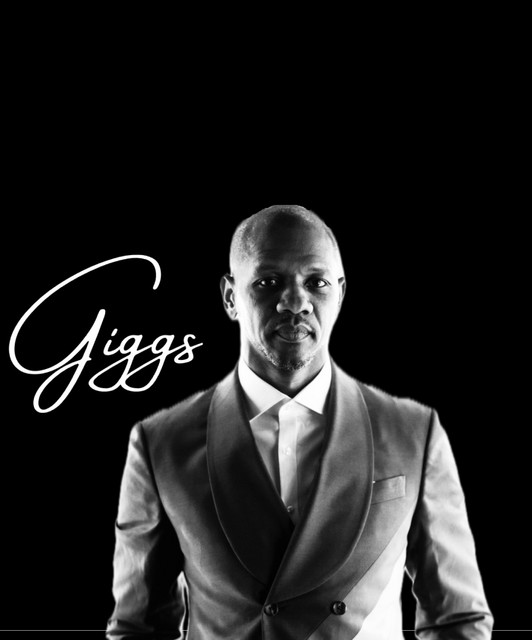
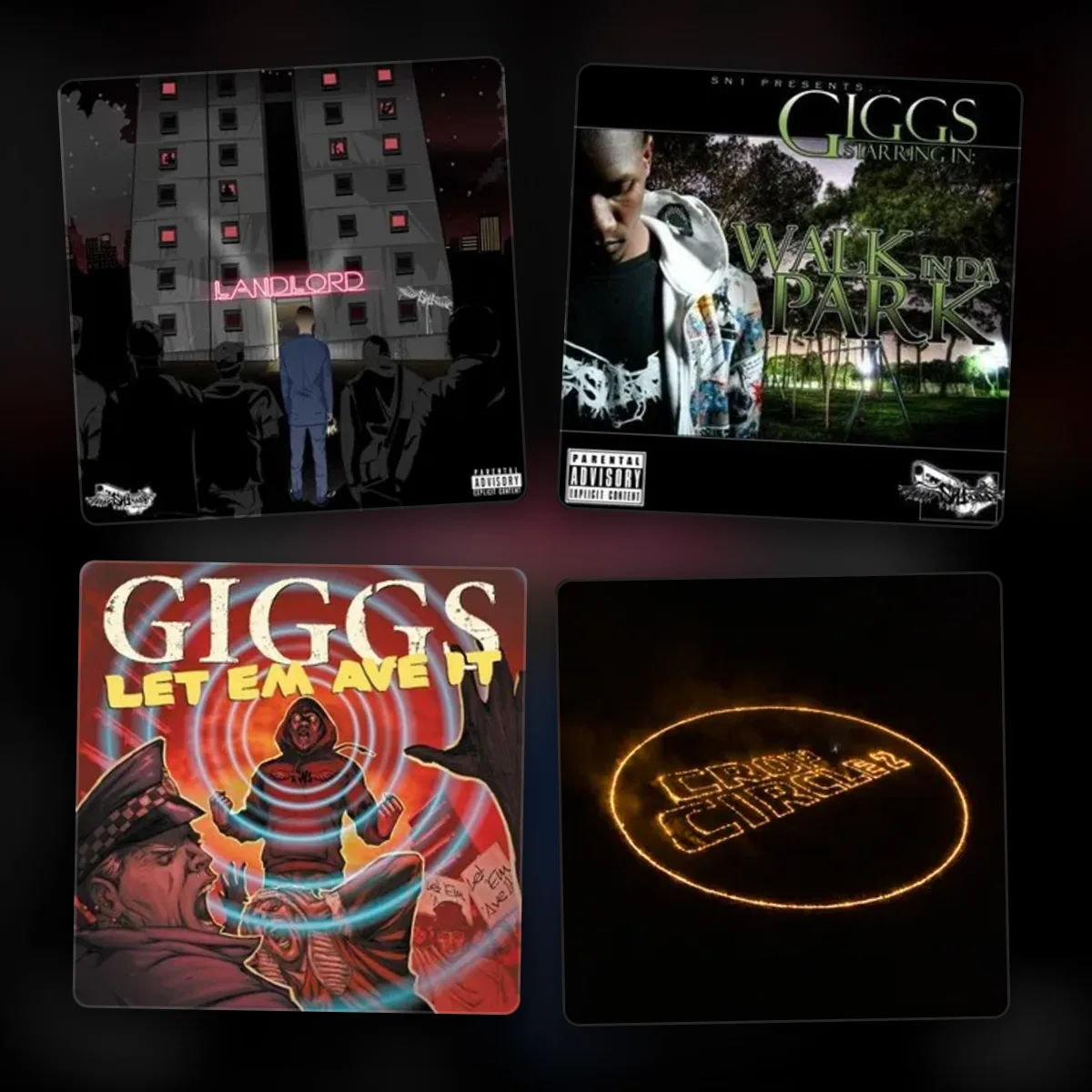
Road rap emerged in the mid-2000s, with acts including Giggs and the SN1 crew. Critics objected to its references to violence and its links to gang violence; Giggs, for his part, said police had restricted his ability to earn a living by limiting his touring. In the 2010s, UK drill and afroswing expanded the wider landscape, while artists including Dave and Little Simz gained prominence. A further underground wave emerged in the early 2020s, drawing on internet rap and British musical references.
Choose a direction
Start with hip hop as the common ground, then decide which part of the scene's range interests you. You could build a forceful, fast-delivered track in the spirit of Britcore, a jazz- or reggae-influenced piece, or a more melodic rap song. These are options within a varied scene, not rules that every UK rap track follows.
Build the beat
For a road-rap approach, try a sparse, heavyweight instrumental with prominent sub-bass and gritty textures, leaving room for an unhurried vocal. For a sound-system-influenced track, make the bass line a central rhythmic element and experiment with the space around it. A common hip-hop approach is to assemble a beat from drum parts and samples; you could also play your own instrumental material and reshape it in the production.
Write and perform
Use a voice and vocabulary that feel natural to you rather than adopting an imported accent. Local details, conversational phrasing and rhythmic changes in delivery can give a verse character. Depending on the direction of the track, you could write a first-person narrative, address a social issue or focus on rhythmic wordplay. Rehearse the vocal against the beat and adjust the arrangement so the words remain clear.

Making A Dark Trap Beat For Clavish, Fredo (UK Rap Tutorial - FL studio 21)
Jay Cactus TV
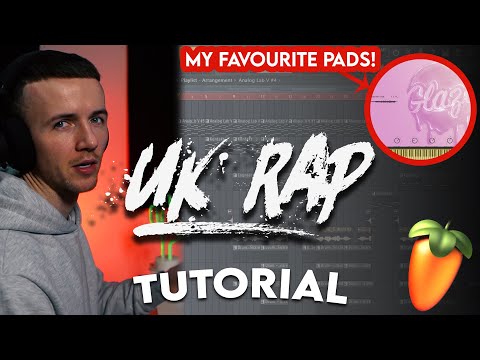
HOW TO MAKE UK TRAP / RAP BEATS FROM SCRATCH (FL Studio 20 Tutorial)
Jay Cactus TV

Melody Tricks For Making UK Rap Beats Like Nines, Potter Payper, Clavish
Jay Cactus TV

HOW TO MAKE A UK RAP BEAT (FL Studio 20 Tutorial)
Jay Cactus TV

Top albums
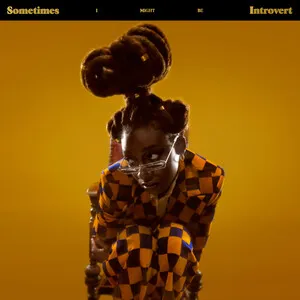
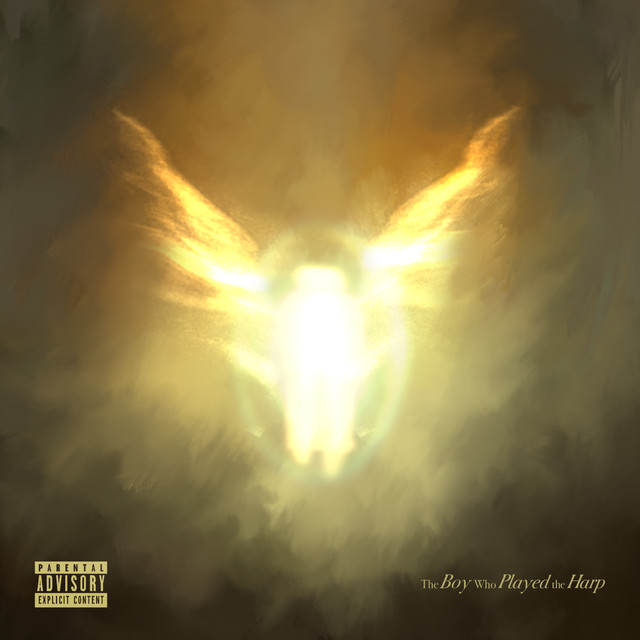
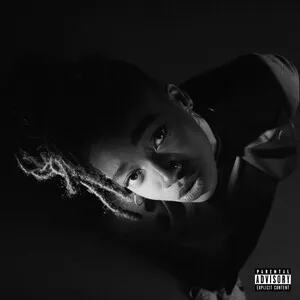

Best playlists


Influenced by


Has influenced
Other similar genres
Genres sharing the most artists with Uk Hip Hop