Description
Fourth world brings features of traditional music from different parts of the world together with advanced electronic techniques. Its defining ambition is not simply to add unfamiliar instrumental colors to a conventional arrangement, but to fuse its influences into a sound that feels unified and difficult to place in a particular time or location.
The music can suggest both distant pasts and imagined futures, using texture and instrumental virtuosity to create a distinctive mood or sense of time. Jon Hassell distinguished his approach from what he called “cosmetic” borrowing of exotic sounds and from presenting non-Western musical structures in Western orchestration.
Based on: jonhassell.com, ableton.com
More on: Every Noise at Once
History
A musical idea
Jon Hassell used the name fourth world for music that combined features of traditional musics from around the globe with advanced electronic techniques. He envisaged a blend whose elements would become a coherent new sound, rather than remaining identifiable as separate influences.
Later uses of the term
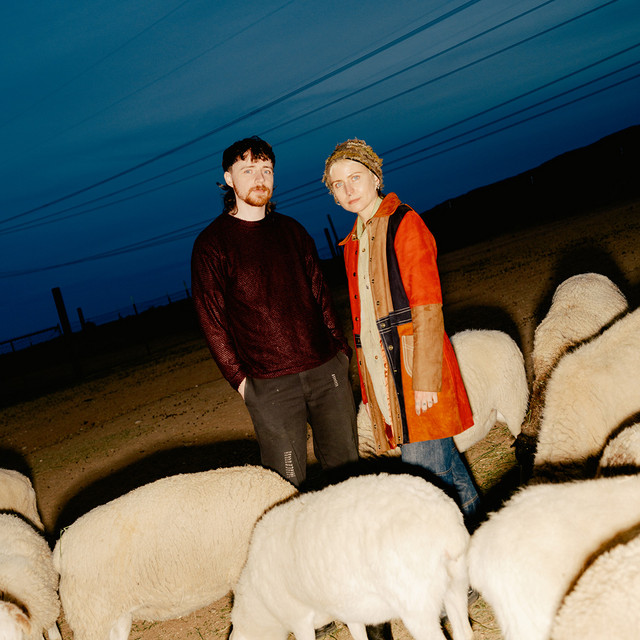
The term has subsequently appeared in discussions of adventurous electronic music. It has been applied to Don’t DJ, whose tracks blur distinctions between synthesizers, drum machines and gamelan orchestras.
Build a unified sound
Begin with a musical idea drawn from traditional music and explore how it might be transformed through electronic techniques. Rather than treating an instrument as a decorative layer, develop its phrasing, timbre or relationship to the rhythm until the acoustic and electronic elements feel like parts of the same imagined sound world.
Shape texture and time
Use electronic processing to alter instrumental colors and create a sense of distance between the familiar and the unfamiliar. Let the arrangement establish a mood or a distinctive sense of time; leave space for expressive instrumental playing while keeping the overall texture coherent.
Try an electronic approach
You could experiment with synthesizers, programmed percussion and sounds inspired by ensemble playing, allowing their timbres to overlap rather than assigning each a strictly separate role. Develop the material through adventurous changes in texture instead of relying on a fixed formula.

Top albums

Best playlists



Other similar genres
Genres sharing the most artists with Fourth World