Description
Soft piano notes, sustained electronic tones and spacious reverberation give j-ambient much of its contemplative character. The name comes from Every Noise at Once, a map of genres identified by Spotify, and The Sounds of Spotify’s playlist “The Sound of J-Ambient”; there is scant written commentary on it. The music is mostly instrumental, with voices, when present, used as background texture rather than as lead singing.
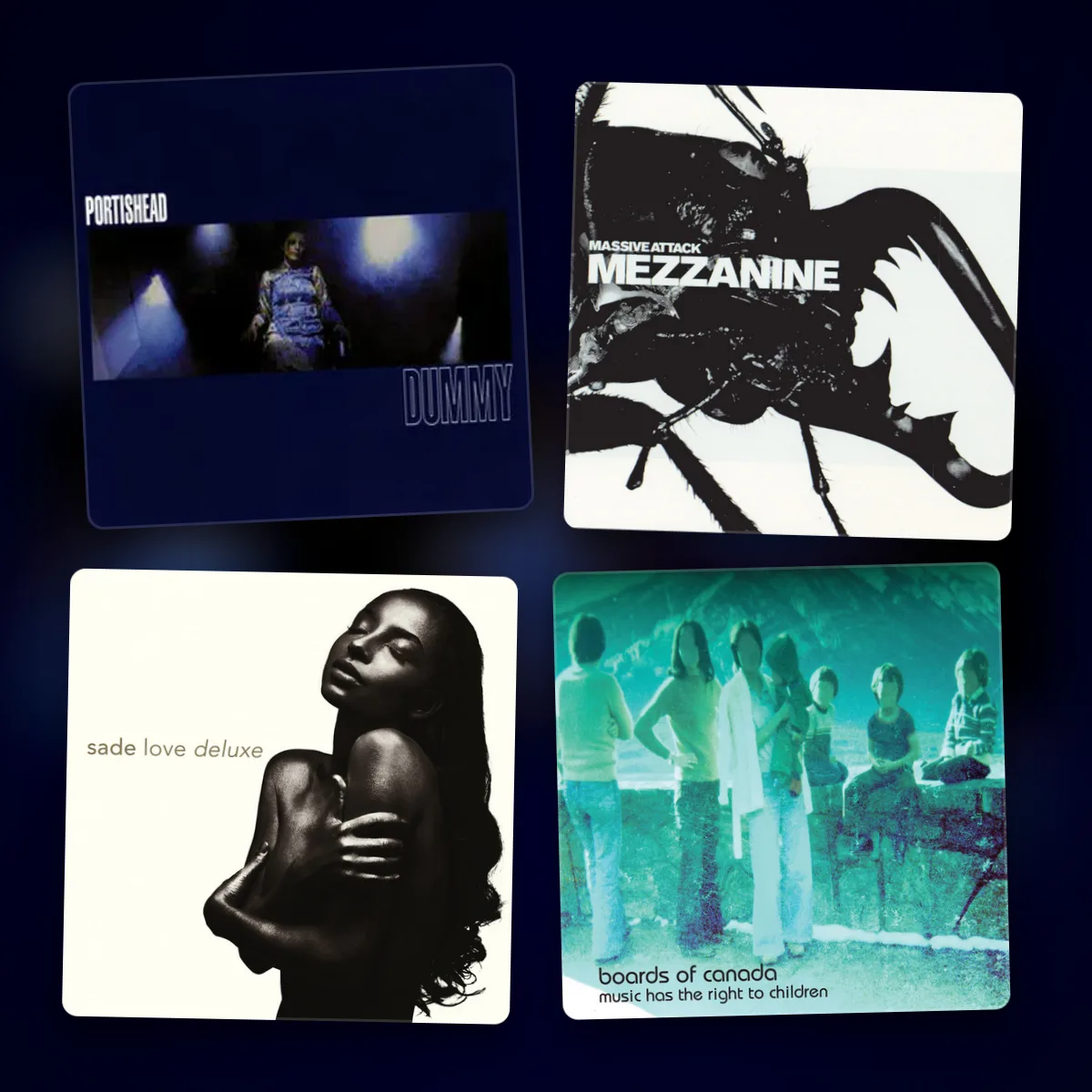
The music ranges from beatless ambient soundscapes and drones to laid-back lo-fi hip-hop and trip-hop instrumentals. Some pieces drift without a clear pulse, moving through slow chord changes and sparse notes; others use repeating figures or relaxed beats with kicks, snares and shuffling high percussion. Piano and electric keyboards often meet synthesizer pads, low bass tones or clean electric guitar. Wide, reverberant spaces can surround more intimate, dry sounds, with occasional crackle or subtle pitch movement adding texture.
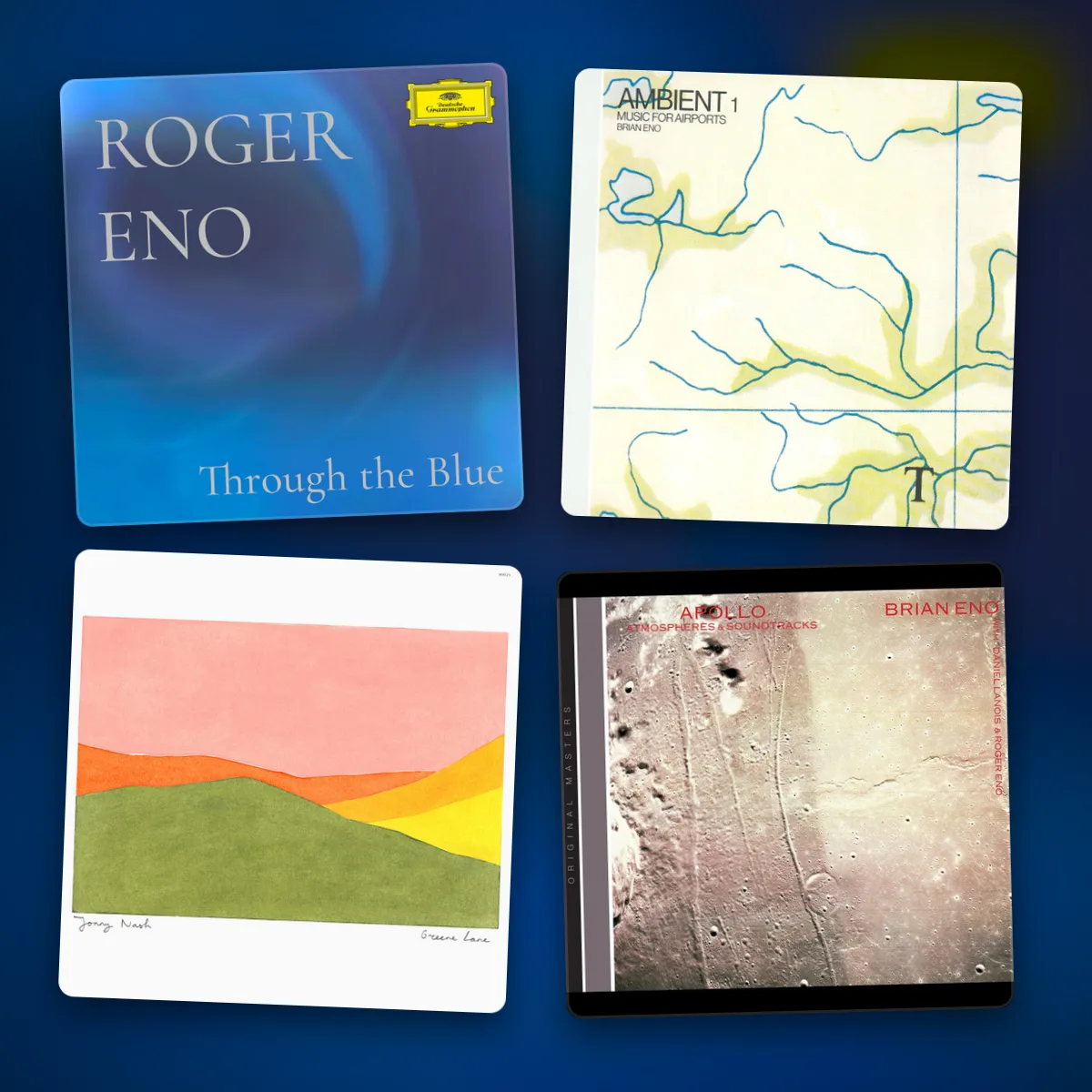
Its artists are also associated with ambient, drone, electroacoustic music and minimalism: styles that favor atmosphere, sustained sound, processed textures or repetition. The mood is often serene or reflective, though minor-key chords and melancholic melodies can give it a wistful edge. Track titles appear in English and Japanese, with images of light, weather, places and memory recurring among them.
Based on: Every Noise at Once, Spotify's genre tags and playlist
Build an atmosphere
Start with a sustained synthesizer pad or drone, drawing on ambient and drone music. Let a chord or a small group of notes linger, and use gradual changes in tone and harmony to create movement without relying on a conventional song structure.
Add melody and rhythm
Place a sparse piano or electric-piano melody over the texture. For a minimalist approach, repeat a short figure and allow the bass or harmony to shift underneath it. Leave the music beatless, or add a relaxed kick-and-snare pattern with softly shuffling hi-hats.
Shape the space
Use reverb and stereo placement to give the sounds room, while keeping selected piano attacks or drums relatively dry and close. Borrow from electroacoustic music by gently processing tones with subtle pitch variation or crackle. If using a voice, treat it as a quiet background texture rather than a lead.

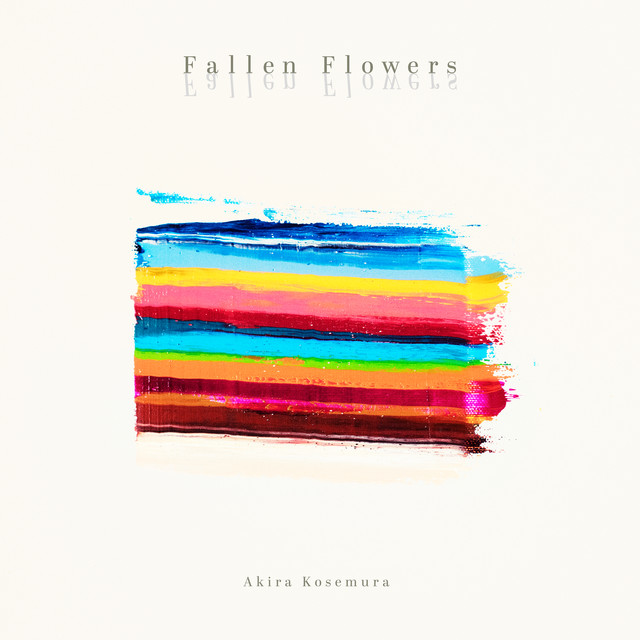
Top albums

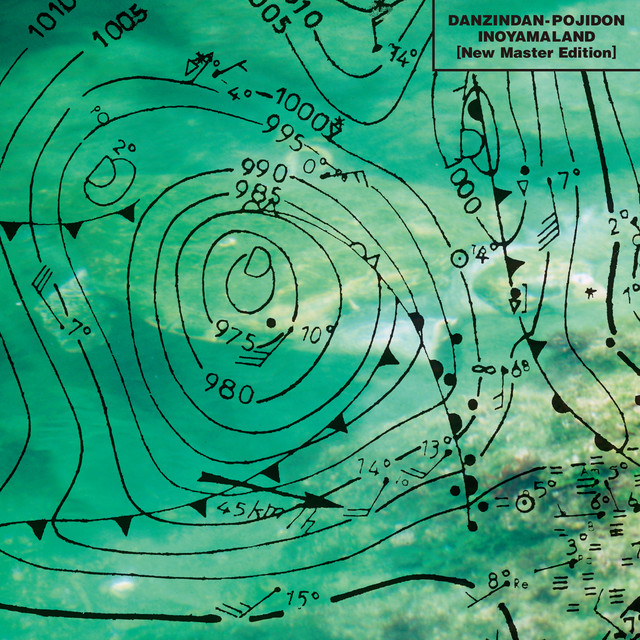

Best playlists

Influenced by


Other similar genres
Genres sharing the most artists with J-Ambient