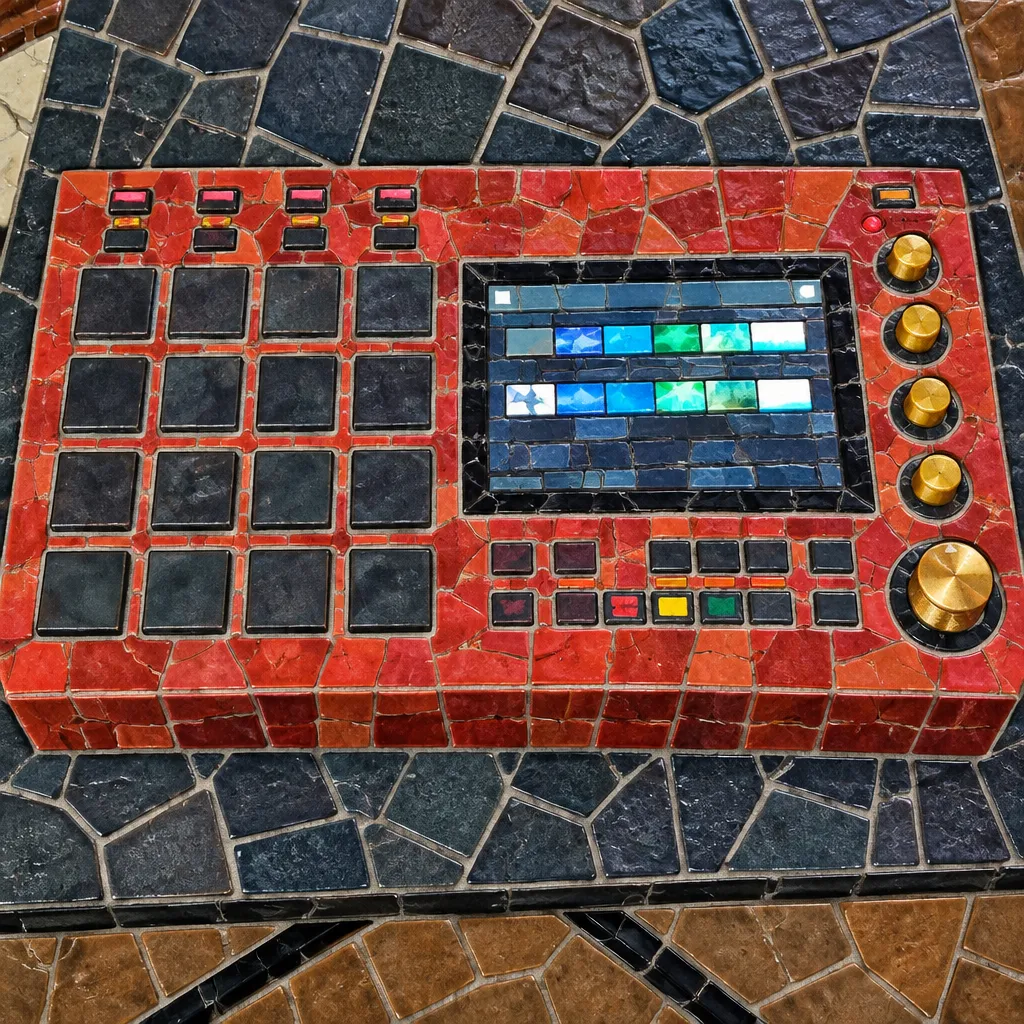
Description
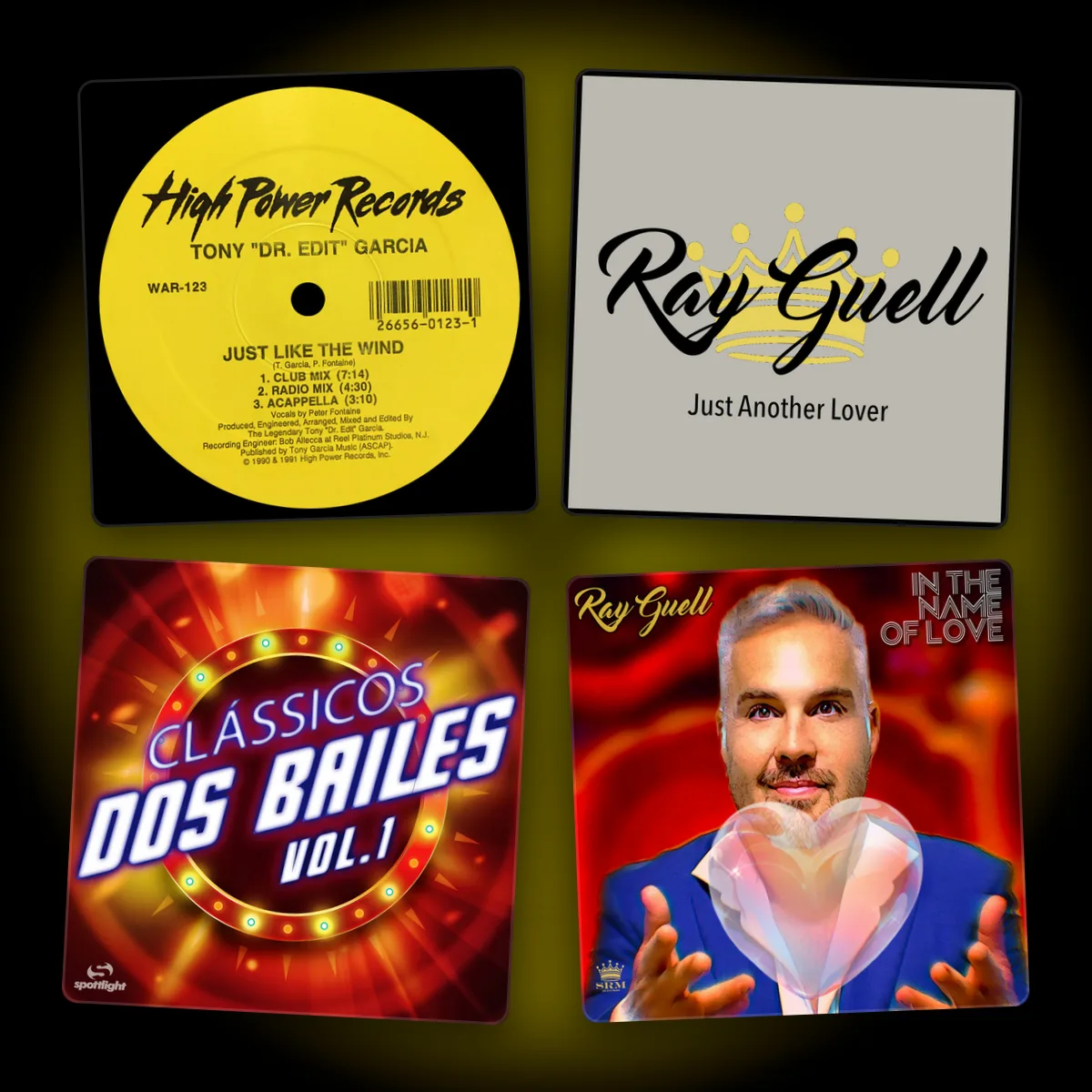
Freestyle (often called Latin freestyle) is a vocal-driven form of dance-pop that emerged in the mid-1980s in the United States, blending electro drum programming, boogie/post-disco grooves, and bright synth-pop textures with emotive, often bilingual (English/Spanish) lyrics.
Typical tracks run around 110–125 BPM and feature TR-808/909-style drums, syncopated basslines, gated-reverb claps/snares, and catchy synth stabs or arpeggios. The songs frequently center on themes of love, heartbreak, and longing set against club-ready beats—creating a bittersweet, dancefloor-friendly mood.
Stylistically, freestyle sits between electro and pop: it retains electro’s machine funk and edit tricks, but foregrounds big choruses, melismatic vocal hooks, and dramatic bridges that made it a staple of urban radio and club culture across New York, Miami, and beyond.
More on: Wikipedia, Rate Your Music, Discogs, MusicBrainz, Every Noise at Once, Wikidata

A Brief History of Freestyle Music
HBRoa

Freestyle 101: Lisette's 3 Must-Hear Classics That Started It All 🎵
103.5 KTU

What is Freestyle Music ? The Definition
TheFreezetyle
History
Origins (early–mid 1980s)
Freestyle crystallized in Latino and Italian American club communities in New York (especially the Bronx, Queens, and Brooklyn) and in Miami. It grew from the electro and post‑disco continuum—think drum machines, synth bass, and tape/edit culture—while embracing pop songcraft and dramatic, heartfelt vocals. Landmark records like Shannon’s “Let the Music Play” (1983, Emergency Records) signaled the template: a machine‑funk groove, stabbing synths, and a soaring, bittersweet hook.
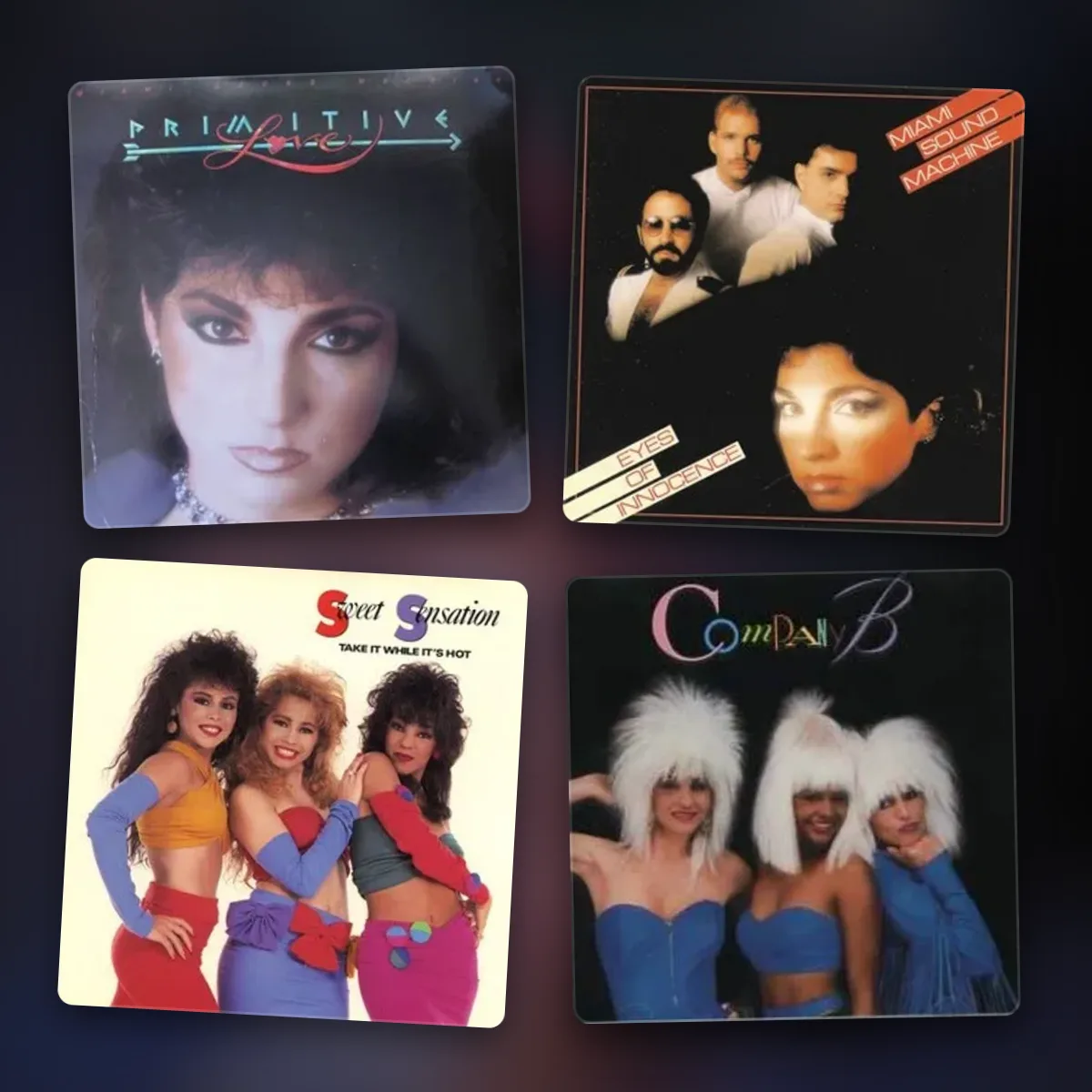
Producers, DJs, and editors such as Lewis Martineé (Exposé), The Latin Rascals (masters of razor‑blade tape edits on NYC radio), Tony Moran, Carlos Berrios, and Andy “Panda” Tripoli helped define the sound. Labels including Emergency, Cutting, Fever, Atlantic, and Micmac pushed the scene across clubs and urban radio (WKTU, WBLS). Miami’s parallel electro scene (Debbie Deb, Pretty Tony) cross‑pollinated with New York’s, further codifying the style.
Peak years (late 1980s)
By 1986–1990, freestyle was a major force in U.S. dance‑pop. Acts like Lisa Lisa & Cult Jam, Exposé, TKA, The Cover Girls, Noel, and Stevie B scored radio hits and Billboard chart placements. The music’s emotive narratives—romance, heartbreak, reunion on the dancefloor—paired with crisp 808s and gleaming synths made it a staple at clubs, school dances, and urban stations nationwide.
Transition and decline (early 1990s)
As house, new jack swing, hip‑hop, and later eurodance rose, freestyle’s chart presence waned. Some artists and producers migrated toward house and pop‑R&B, while regional strongholds (South Florida, New York/New Jersey, Philadelphia, California) kept the scene alive through specialized radio, clubs, and independent labels.
Revivals and legacy (2000s–present)
Freestyle remains a vibrant legacy scene with nostalgia tours, specialty radio shows, and reissues. Its DNA—emotive hooks, syncopated electro drums, and gleaming synths—echoes in Latin pop, dance‑pop, and occasional throwback tracks. Contemporary producers sometimes cite or sample freestyle aesthetics, keeping its bittersweet dancefloor spirit in circulation.
Rhythm and tempo
• Aim for 110–125 BPM. Use drum machines or samples inspired by the TR‑808/909.
• Place claps/snares on 2 and 4 with gated or plate reverb; add syncopated kick patterns and occasional tom or cowbell fills.
• Hi‑hats can alternate straight 8ths with 16th‑note embellishments for forward motion.
Harmony and bass
• Minor keys are common (e.g., A minor, C minor). Use simple, dramatic progressions (i–VI–VII, i–VII–VI–V, or vi–IV–I–V in relative major/minor).
• Program a prominent, syncopated synth‑bass line that locks with the kick. Sidechain subtly to keep the groove pumping.
Sound palette
• Combine bright poly synth stabs, glassy FM bells, string pads, and arpeggiators.
• Employ chorus and delay on synths; use tasteful tape‑style edits or stutters in instrumental breaks (a nod to Latin Rascals–style edits).
Vocals and lyrics
• Feature emotive, lead vocals (often female) with clear hooks and melismatic ad‑libs.
• Themes: love, heartbreak, yearning, and dancefloor reunions. Sprinkle bilingual (English/Spanish) phrases where appropriate.
• Arrange with verse → pre‑chorus → big chorus; include a breakdown/bridge for a dramatic lift before the final chorus.
Arrangement and mix
• Build an intro for DJs (drums + bass or a synth riff), then drop into the verse.
• Use reverb/delay throws on key words in the chorus. Keep the low end tight; let vocals and synth hooks sit upfront.
• Consider a mid‑track instrumental “freestyle break” to showcase edits, tom runs, or arpeggio riffs.

Freestyle Beat - "ICE" | Free Type Beat 2024 | Rap Trap Beat Instrumental
JxnBeatz

Could You Rap Over This HARD TRAP x Freestyle Type Beat? 🔥 | Freestyle Rap Training #335
808 West II

How to Freestyle Rap: Learn in 5-minutes a day
The Freestyle Forum

How To Freestyle Rap Instantly Never Run Out Of Words To Say (5 MINS)
AYOTEMI

Top albums
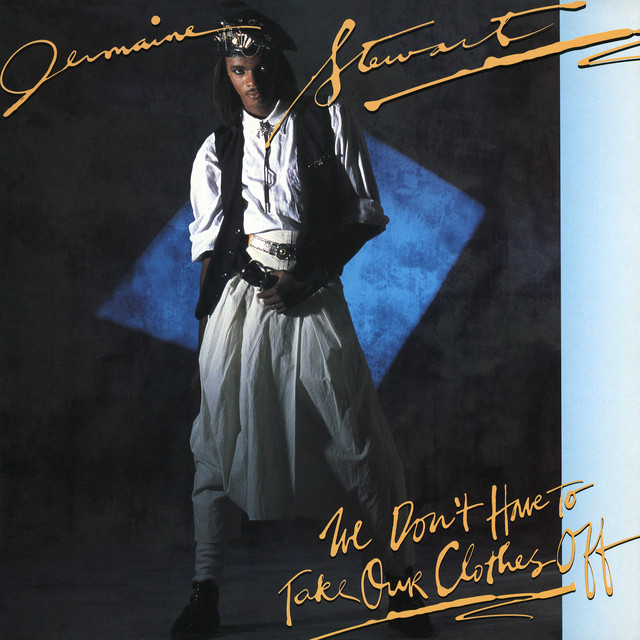
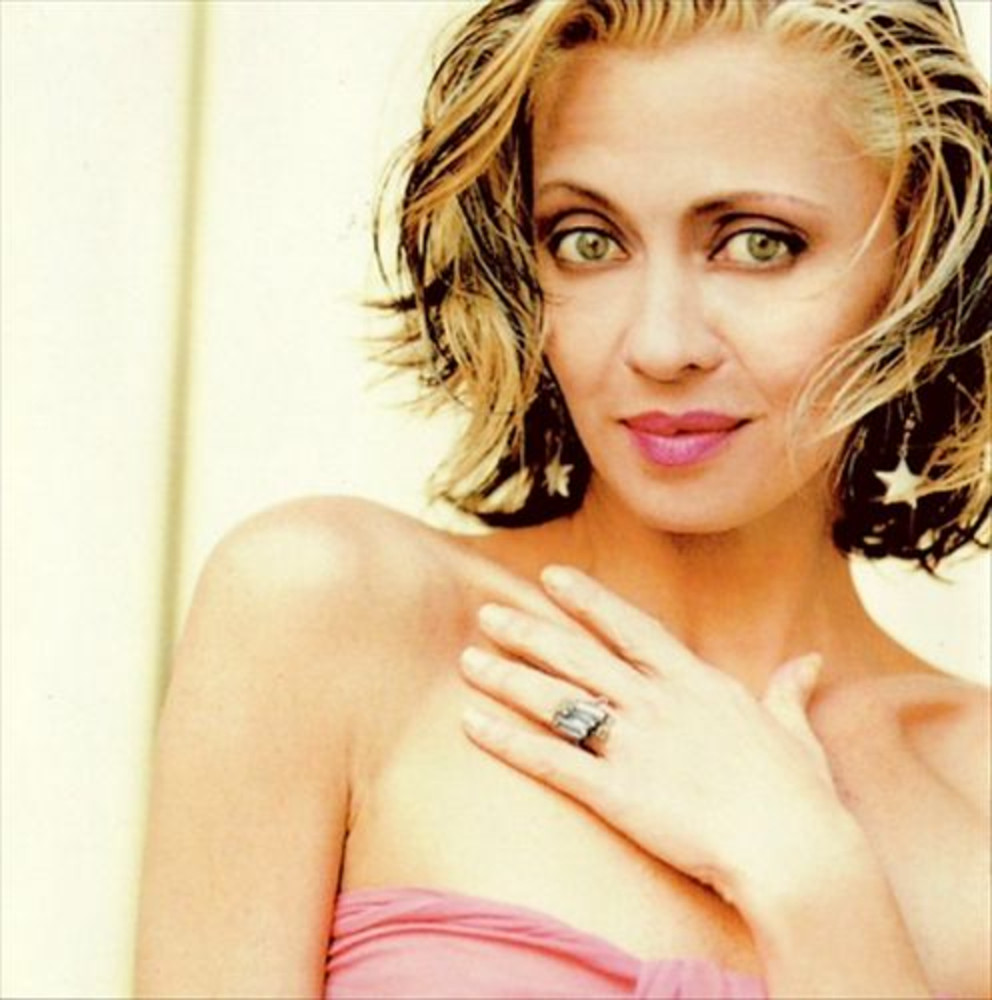
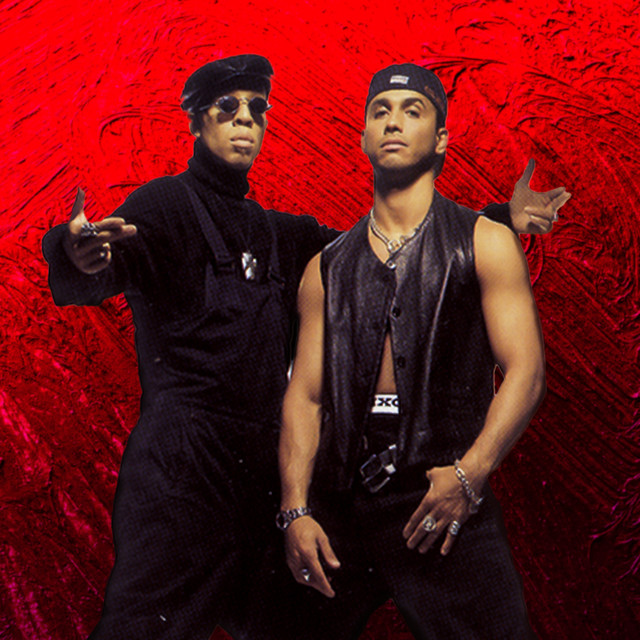
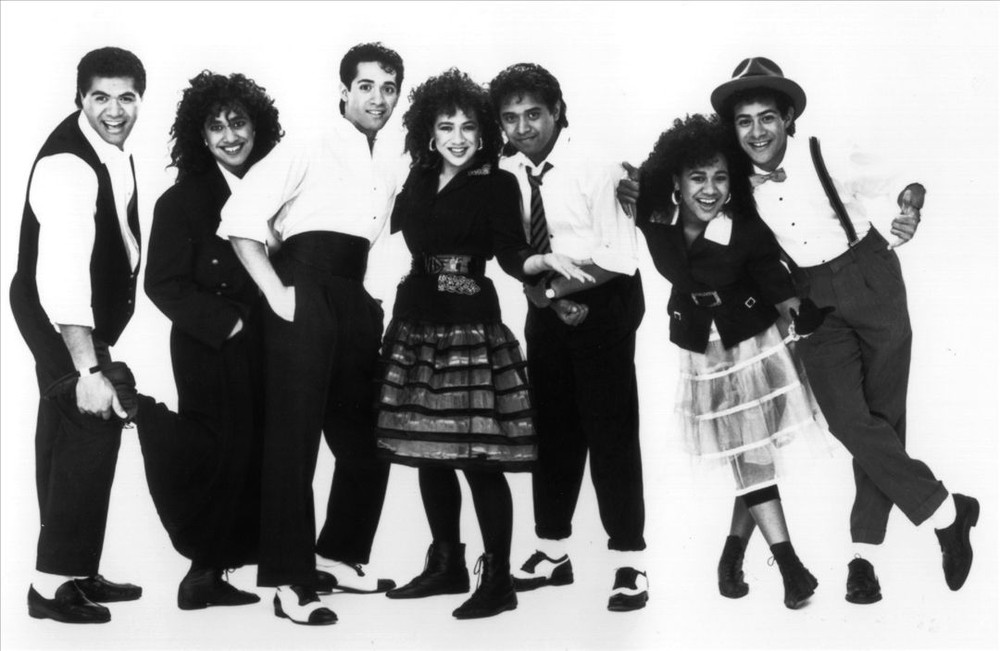
Best playlists
Freestyle
Melodigging
The Sound of Freestyle
Every Noise at Once
Freestyle
Chosic

Freestyle Mix
Spotify

Old School Mix | Freestyle Classics Mix | (Debbie Deb, Trinere, Stevie B, Lil Suzy and More)
DJ Dynamic
Influenced by




Has influenced


Other similar genres
Genres sharing the most artists with Freestyle