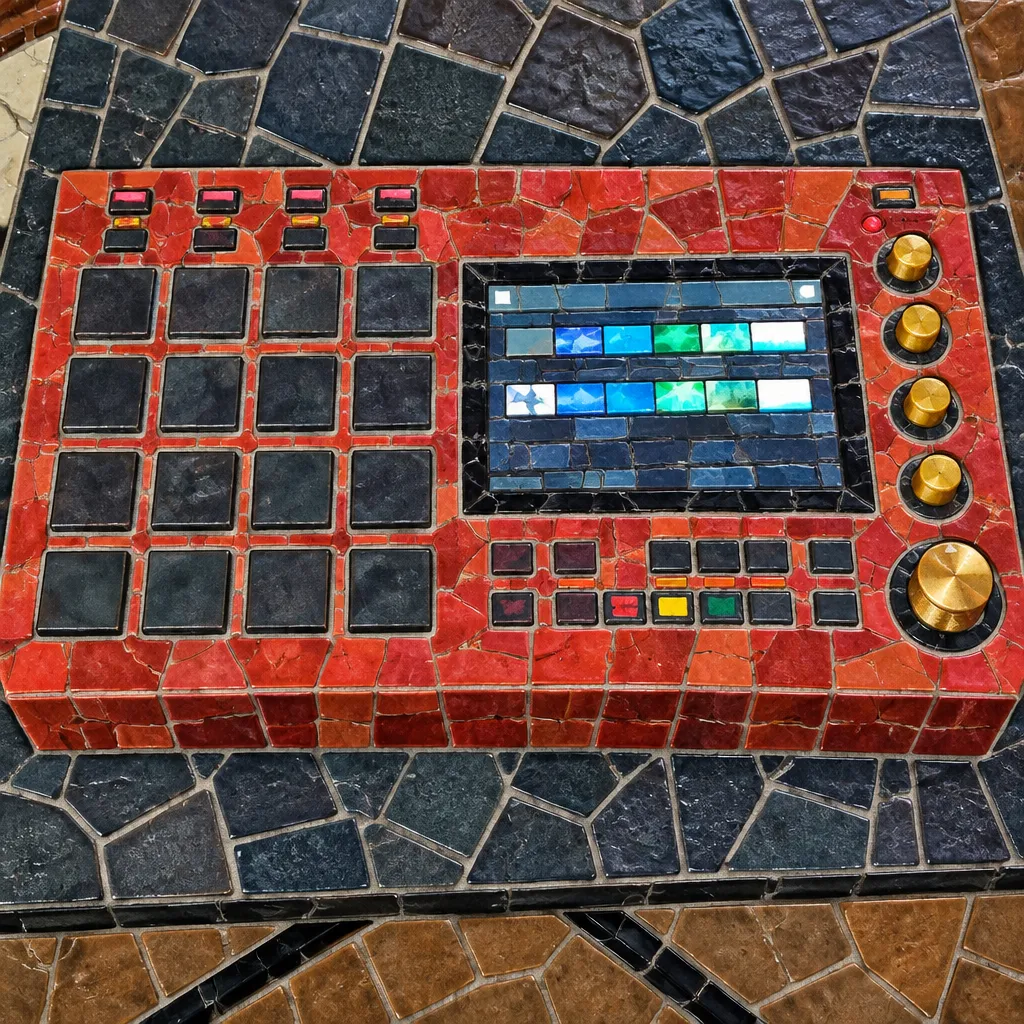
Description
Trap beats are the production style associated with trap, a form of Southern hip-hop. They combine a sparse arrangement with weighty, tuned 808 kick drums, rapid hi-hat rolls and snare patterns. The contrast between a slow, half-time feel and quick subdivisions gives the rhythm its distinctive tension and momentum.
Trap originally referred largely to rap about the drug trade, but the term also came to identify a recognizable production sound. When vocals are present, a clipped triplet flow can reinforce the rhythmic patterns in the drums.
Based on: musicradar.com, universalproductionmusic.com
More on: Every Noise at Once

The Full Guide To Making Modern Trap Beats
Lucent
History
Southern rap roots
Trap grew out of Southern hip-hop, with early usage closely associated with rappers addressing Atlanta’s drug scene. The name refers to places where drugs were sold, known locally as trap houses.
A distinct sound
By the early 2000s, trap was a major trend in Southern hip-hop and was taking shape as a distinct genre. Atlanta rappers TI, Young Jeezy and Gucci Mane achieved crossover success as tuned 808 kicks, snare rolls and triplet hi-hats became prominent in the sound.
Wider reach
The production style spread beyond trap recordings into mainstream hip-hop and appeared on pop albums. Its combination of minimalist beats and booming kicks also helped inspire pop and electronic dance music hits.
Build the drum foundation
Start with a sparse drum pattern built around a deep, tuned 808-style kick. Let the kick carry substantial low-end weight, and use snare hits to establish a slow, half-time pulse. Leave enough space between the main hits for each sound to register clearly.
Animate the rhythm
Program fast hi-hat rolls against that slower pulse. Experiment with triplet subdivisions in the hats and snare, alternating busy bursts with simpler passages so the beat retains its spacious character.
Add a vocal or melodic layer
If you use a rapper, try a clipped triplet delivery that interacts with the programmed drums. For an instrumental beat, you could add a restrained melodic loop and vary its presence across the arrangement, keeping the drums and low end at the center.

How to Play Trap Beats🥁
Brett Clur

THE FULL GUIDE TO MAKING A HARD TRAP BEAT ON FL STUDIO! #flstudio #flstudiotutorials
ListenUpJames

How To Make Hard Trap Melodies Super Easily #producer #flstudio
rly Beats

FL Studio 21 Beginner - Trap Beat Tutorial
Busy Works Beats

Top albums







Best playlists



Influenced by

Other similar genres
Genres sharing the most artists with Trap Beats