
Description
Gospel drill brings a faith-based message into the musical setting of drill, connecting two traditions often associated with different kinds of subject matter. Its defining feature is this combination of drill with a gospel orientation, rather than a single prescribed arrangement or vocal technique.
The label has also been contested: one commentator questions whether the cultures of gospel and drill fit together and criticizes what they see as imitation of other people’s lived experiences.
Based on: trenchtrenchtrench.com, astepfwd.com
More on: Every Noise at Once
History
A developing scene
Gospel drill has emerged as a faith-based strand of drill in the United Kingdom. Konola, who was born and raised in Tottenham, London, has been described as an influential pioneer of the developing UK scene.
Debate over the label
The combination has prompted criticism as well as support. One commentator questions the cultural fit between gospel and drill and considers the imitation of other people’s real-life situations disrespectful. The same commentator acknowledges faith-based drill artists’ stated desire to steer young people away from crime and sadness.
Start with the combination
Build the piece around a faith-based message and a drill setting. Decide what the lyric should communicate, then shape the vocal rhythm so the words remain intelligible against the beat. A repeated phrase can give the message a clear focus without requiring a particular gospel arrangement.
Develop the track
As a suggestion drawn from drill practice, you could begin with a sparse, syncopated drum pattern and a prominent bass part, leaving space for the voice. Try varying the density of the drums between sections, and use a restrained melodic idea to support rather than obscure the lyric. If you add sung or choral textures, treat them as an optional way to evoke gospel rather than a requirement.

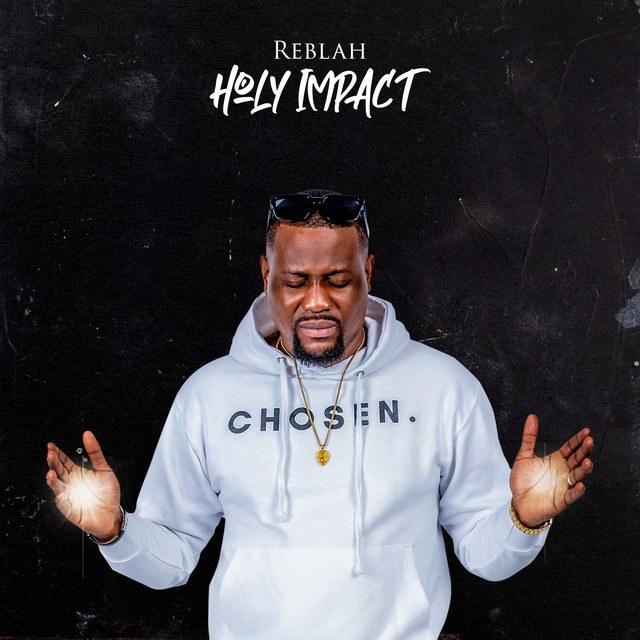
Top albums









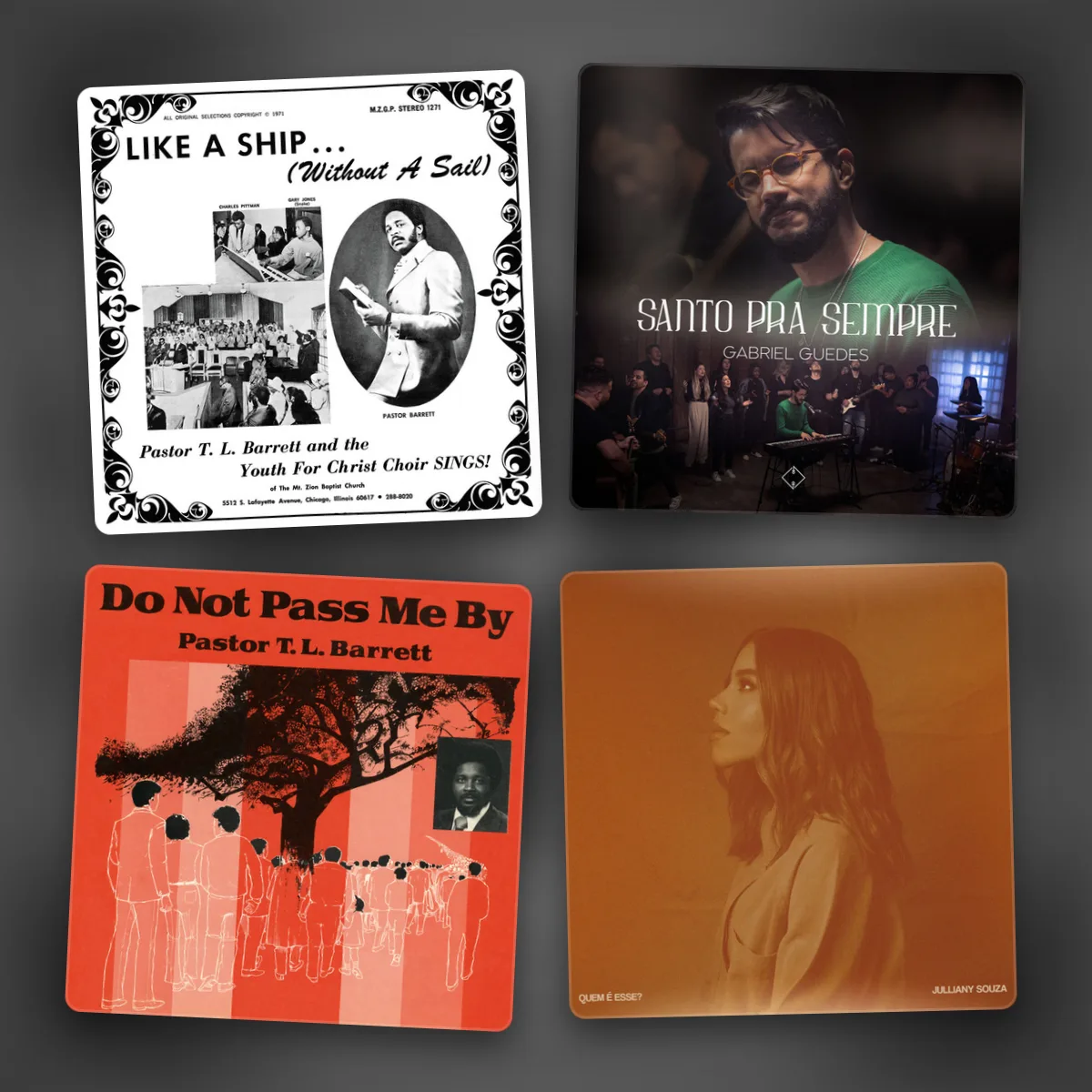
Best playlists



Influenced by

Other similar genres
Genres sharing the most artists with Gospel Drill