Description
Indian indie ranges from intimate acoustic pop ballads to electronic pop with trap rhythms and touches of contemporary R&B. The term is used in Spotify genre labels, Every Noise at Once and the playlist “The Sound of Indian Indie”, though it has attracted scant written description. Its artists are associated with Indian indie music rather than one uniform sound.
Many songs carry a tender, introspective or bittersweet mood. Fingerpicked or strummed acoustic guitar can provide the pulse on its own, while other tracks use deep synth bass, electronic kicks, crisp snares or claps, and ticking, syncopated hi-hats. Clean electric guitar and soft atmospheric pads add colour. The pace is often slow or mid-tempo, with a steady groove even in more densely produced songs.
Singing tends to be smooth and emotive, frequently in a higher register, with layered harmonies, vocal effects and spacious reverb. Some melodies use sliding or ornamented phrases. The polished production can be spare and guitar-led or built from electronic textures. English and South Asian languages are both represented; titles such as “Kasoor”, “Roz Roz” and “Waqt Ki Baatein” sit alongside “When We Feel Young” and “Memory Box”. Artists also associated with folk pop and desi hip hop bring connections to melodic songwriting and beat-driven music.
Based on: Every Noise at Once, Spotify's genre tags and playlist

When Rappers Sample Indie Music 🤯
RealjN

First time going to an indie music festival, is this normal?
Chinese with Jessie

Underrated Rock Bands Of India That You Should Know | @virdas
Prakhar Gupta

How Bollywood RUINED India's Best Musicians | Rise & Fall Of Indian Indie 90s Music
Vedant Rusty
Song and voice
Start with a simple, memorable vocal melody and a reflective or romantic lyric. Sing softly and expressively, adding harmonies or a doubled lead; use occasional melodic slides for ornamentation. Folk pop is a useful reference for direct, guitar-led songwriting.
Arrangement and rhythm
Build a slow or mid-tempo pulse with fingerpicked acoustic guitar, or use a programmed kick and crisp snare or clap. For a more electronic direction, draw on desi hip hop rhythms: add syncopated hi-hats and a deep bass line beneath sustained synth pads. Clean electric guitar can provide a melodic counterline.
Production
Keep the mix clear and polished. Give the vocal and instruments space with reverb and delay, and layer atmospheric pads behind the song without obscuring its central melody. Try subtle vocal chops or stutter edits in a beat-driven arrangement.

How indie artists get you to listen to their music
Jordan Wav

How To Create Music - Anuv Jain
Anuv Jain Songs

How to Make Indie Songs Easily !
Dream Art Records

How to Make an Indie Pop Song in 1 Minute
KMKZ

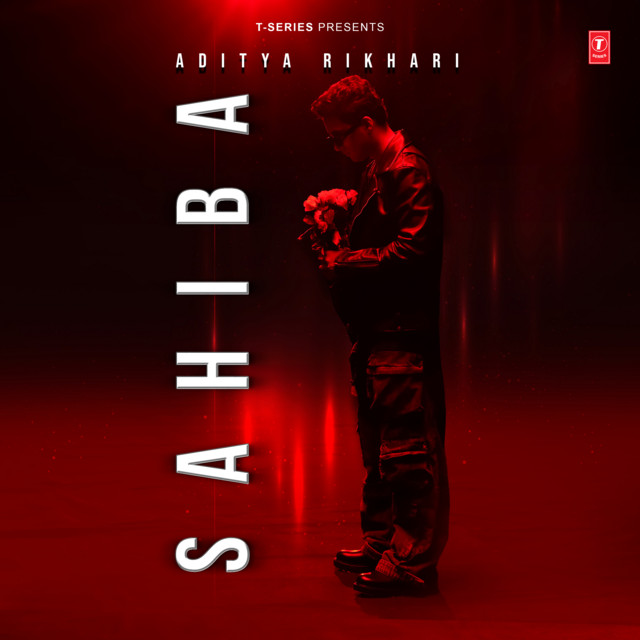
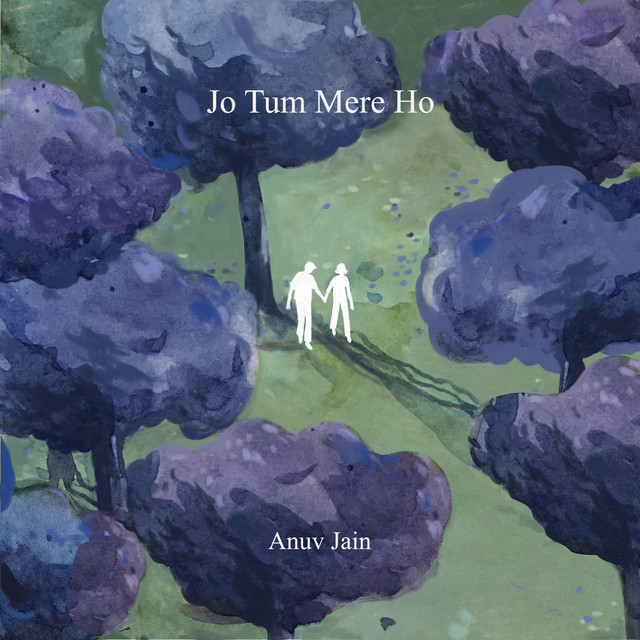
Top albums




Best playlists


Influenced by


Other similar genres
Genres sharing the most artists with Indian Indie