Description
Tamil indie is an independent music scene rather than a style with a single sound. Centered in the Tamil region and reaching a wider Tamil diaspora, it includes folk, hip-hop, pop, electronic dance music, metal and experimental work. Artists may combine regional rhythms with contemporary international sounds, but genre-crossing and independence of production matter more than any fixed musical formula.
The scene has developed alongside a music industry long dominated by film soundtracks. Its non-film songs make room for personal storytelling and themes such as freedom, social equality and women’s empowerment, as well as romance. Participation by women remains comparatively limited, with social and cultural barriers cited as contributing factors.
Based on: abc.net.au, believe.com, atti.biz
More on: Every Noise at Once

Paal Dabba discusses the indie music wave on the #theccpodcast #bigdawg #indie #music #global #tamil
CreativeCrowd

Think Indie உருவான கதை இது தான்... Think Music Santhosh
SS Music

Think Indie ஆரம்பிக்க காரணம் Hiphop Adhi தான்... Think Music Santhosh
SS Music
History
Before the independent wave
Film music dominated the Tamil music industry for much of the 20th century. Independent performers were comparatively rare and were often associated with folk and traditional music, performed live with limited distribution.
Growth in the 2010s
Tamil indie began to emerge as a broader scene in the 2010s, helped by digital platforms, social media and increasing musical diversity. Chennai became a center for a new wave of artists working at the edges of the film industry. Bands including La Pongal, Sean Roldan Friends, Oorka and The Casteless Collective showed how locally rooted music could also be experimental.
A wider community
The scene has grown beyond the Tamil region, reaching listeners and communities in Singapore, Malaysia, Sri Lanka and the wider Tamil diaspora. Chennai-based label and production house Atti Culture describes its own beginnings in terms of artists gathering in parks to build a community; it has since worked to support independent South Indian music.
Choose a direction
Treat independence as a way of making and presenting the music, not as a requirement to reproduce one sound. Start with a personal story or a subject such as freedom or social equality, and choose musical materials that suit it. You could draw on a regional rhythmic idea while pairing it with a contemporary production approach.
Build the arrangement
The scene spans folk, hip-hop, pop, electronic dance music, metal and experimental music. As a practical approach, you could begin with a folk-influenced rhythmic pattern and develop it with electronic textures, or build a song around a band performance and introduce more experimental passages. Let the combination serve the song rather than trying to include every influence at once.
Develop an independent identity
Shape the performance and production around a recognizable artistic voice. Digital platforms can be a way to share non-film music and connect with listeners, while collaboration with other musicians can help develop a sense of community around the work.

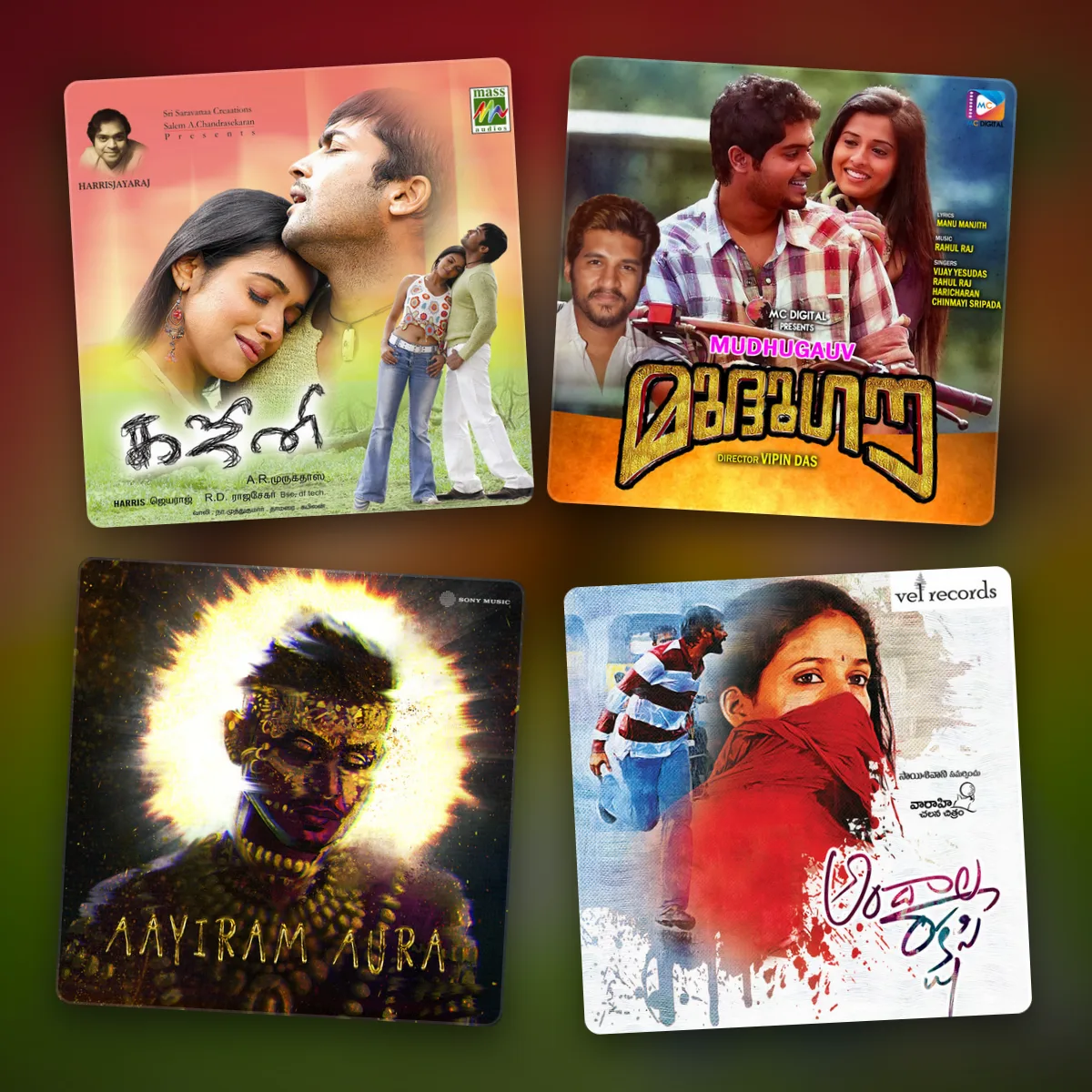
Top albums


Best playlists

Other similar genres
Genres sharing the most artists with Tamil Indie