Description
Ornamented vocal melodies, synthesized textures and steady percussion run through tamil dance, moving between tender pop ballads and energetic electronic dance songs. Spotify uses tamil dance among its artist genre labels, though the term has scant written coverage. Much of the music is mid-tempo and swaying or driving, while some tracks move faster with a more forceful dance pulse.
Programmed kicks, snares and claps often underpin the songs, sometimes alongside rolling or syncopated hand percussion. Synth pads and bass share space with guitars, strings and occasional plucked-string melodies. Voices may sing alone or trade phrases, with backing layers and prominent reverb adding breadth to polished arrangements. The singing is expressive and melodically decorated, with Tamil and Hindi or Urdu among the languages heard.
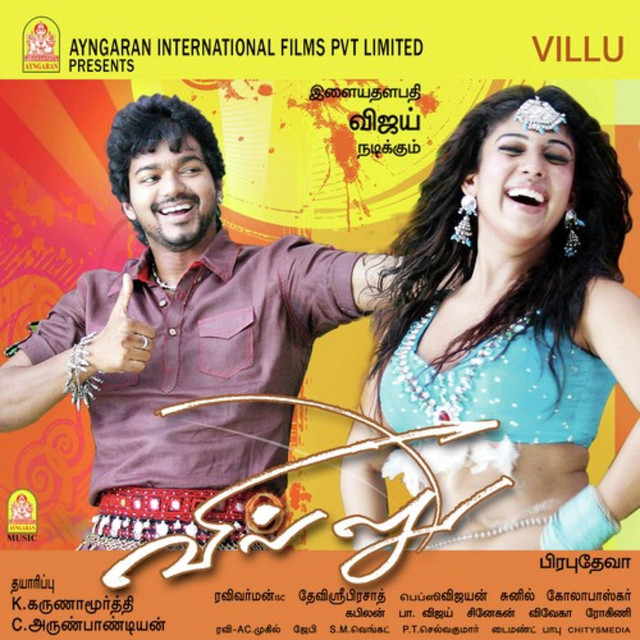
The music is closely associated with filmi, the song tradition of South Asian cinema: many tracks come from film soundtracks, including Yuvan Shankar Raja’s Paiya and Anirudh Ravichander’s Coolie. Its moods range from breezy and romantic to celebratory and dramatic, bringing acoustic and electronic colors together within song-centered arrangements.
Based on: Spotify's genre tags and playlist
Start with a song
Draw on filmi songwriting: build a memorable vocal melody and leave room for expressive slides, flourishes and sustained notes. Arrange it for a solo voice or for two contrasting voices trading phrases, with backing vocals reinforcing key moments.
Shape the groove
Begin with a steady mid-tempo pulse using a programmed kick and a crisp snare or clap. Add syncopated hand percussion for a more rolling feel, or make the electronic drums more driving for a dance-oriented track.
Layer acoustic and electronic colors
Use synth pads or bass beneath guitar, strings or plucked-string figures. Keep the arrangement clear and polished, and give the lead vocal spacious reverb. For a gentler song, let the melody and sustained chords lead; for a celebratory one, bring the drums and bass forward.

Learn trending dance steps #tutorial
SADA Fitness Studio Rampura Phul

Tum Tum | Easy Dance steps | Enemy Tamil | Viral Trend steps | Anvi Shetty
Anvi's Dance Studio

Basic Dance steps 💃💃 #basic #tutorial #dance#youtubeshorts #trending # #shorts #students #foryou
IQONIQUE DANCE ACADEMY

Thuli Thuli dance Tutorial - #tamil #dance
Gabriel Entertainment

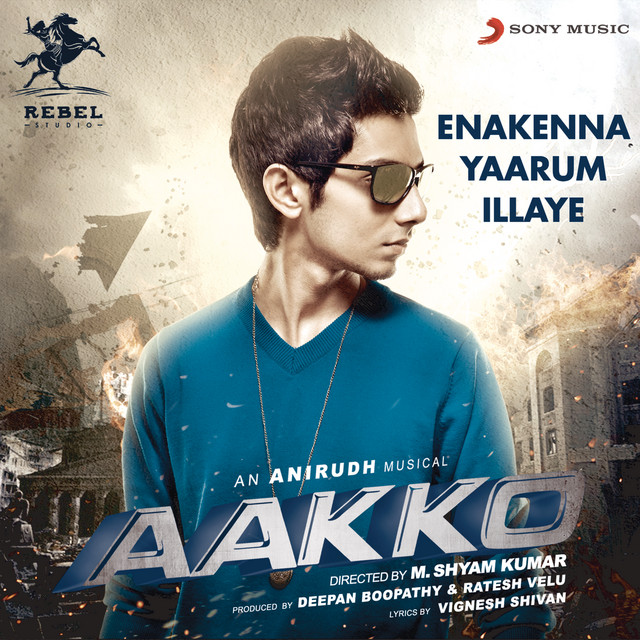
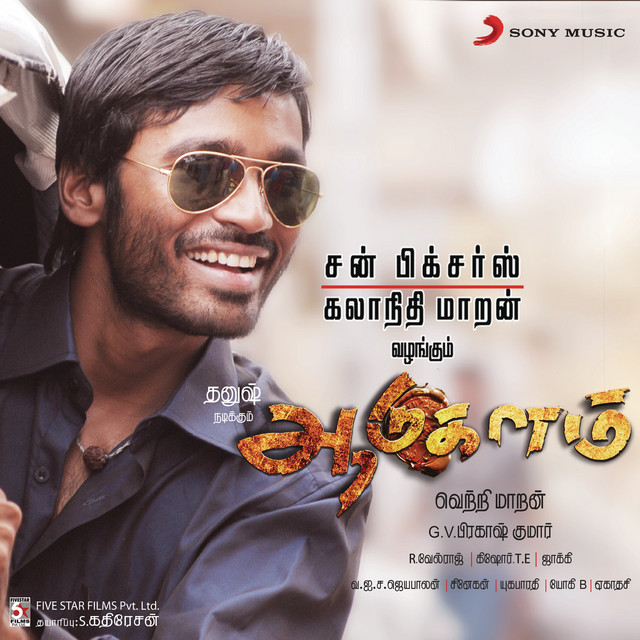
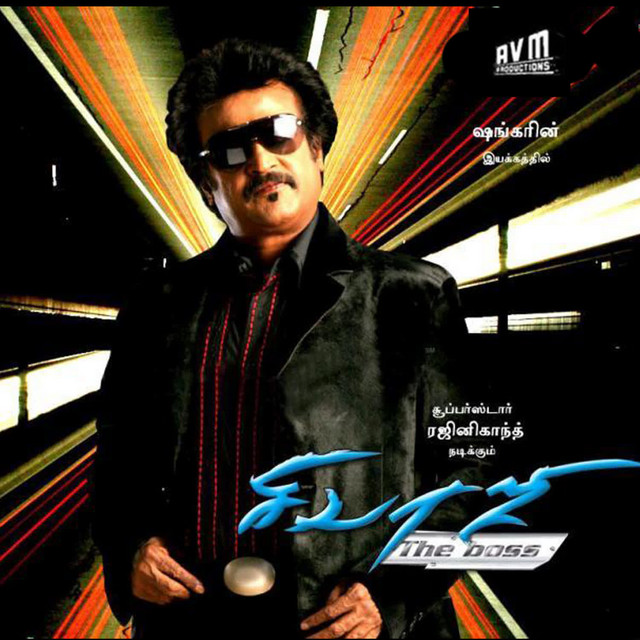
Top albums
Best playlists



Other similar genres
Genres sharing the most artists with Tamil Dance