

Description
Driving drums, distorted guitars and impassioned English-language vocals give much indie emo rock an urgent, cathartic sound. The name comes from Spotify’s genre map Every Noise at Once and the playlist “The Sound of Indie Emo Rock”; independent writing about it is scarce.
Electric bass and guitars anchor the music, usually alongside a rock drum kit with strong snare backbeats and crashing cymbals. Many songs move quickly, using power chords, rhythmic breaks and shifts between clean, arpeggiated guitar and dense distortion. Singers often belt, shout or scream in a high register, sometimes easing into a softer melodic delivery. Slower songs favor cleaner, more intimate textures and a wistful mood.
The music ranges from gentle indie rock to raw emo and punk, polished alternative rock and heavier, metalcore-like passages. Its loud-and-soft contrasts and emotional singing connect it to midwest emo, while its more abrasive moments recall screamo and post-hardcore. Production can be rough and roomy or thick and polished. Much of the playlist’s music dates from the early 2000s, and titles such as “As I Fall Apart” and “Smiles To Miss, Thoughts To Hold” suggest themes of hurt and longing.
Based on: Every Noise at Once, Spotify's genre tags and playlist
10 Styles Of Emo
SugarpillProductions

¿Qué es el Midwest Emo?
Cuervo Errante

The History Of Emo #emo #poppunk #punk
Never Normal
Build the band sound
Start with electric guitar, bass and a live-sounding drum kit. Use a firm snare backbeat and crash cymbals for the driving sections. Build riffs from power chords, then contrast them with clean or lightly overdriven arpeggios.
Shape the dynamics
Take a cue from midwest emo by moving between quieter passages and full-volume choruses. Use rhythmic stops or syncopated accents to make transitions feel dramatic. For a more abrasive screamo or post-hardcore edge, add dissonant guitar parts and strained, shouted vocals.
Record the voice and guitars
Write an emotive melody that can shift from soft singing to a forceful belt. Layer distorted guitars for a dense sound, or leave the arrangement more open and roomy for a rawer, intimate feel.

How to Midwest Emo in 5 easy steps #howto #guitar #midwestemo #iplayslinky
Justus Hajas

Every Chord You Need For Punk & Emo
SugarpillProductions

How to Make Midwest Emo in FL Studio
feezo

Emo music for beginners 💀 #emo #emomusic #poppunk #punk #rockmusic #alternative #alt
Anndy Negative

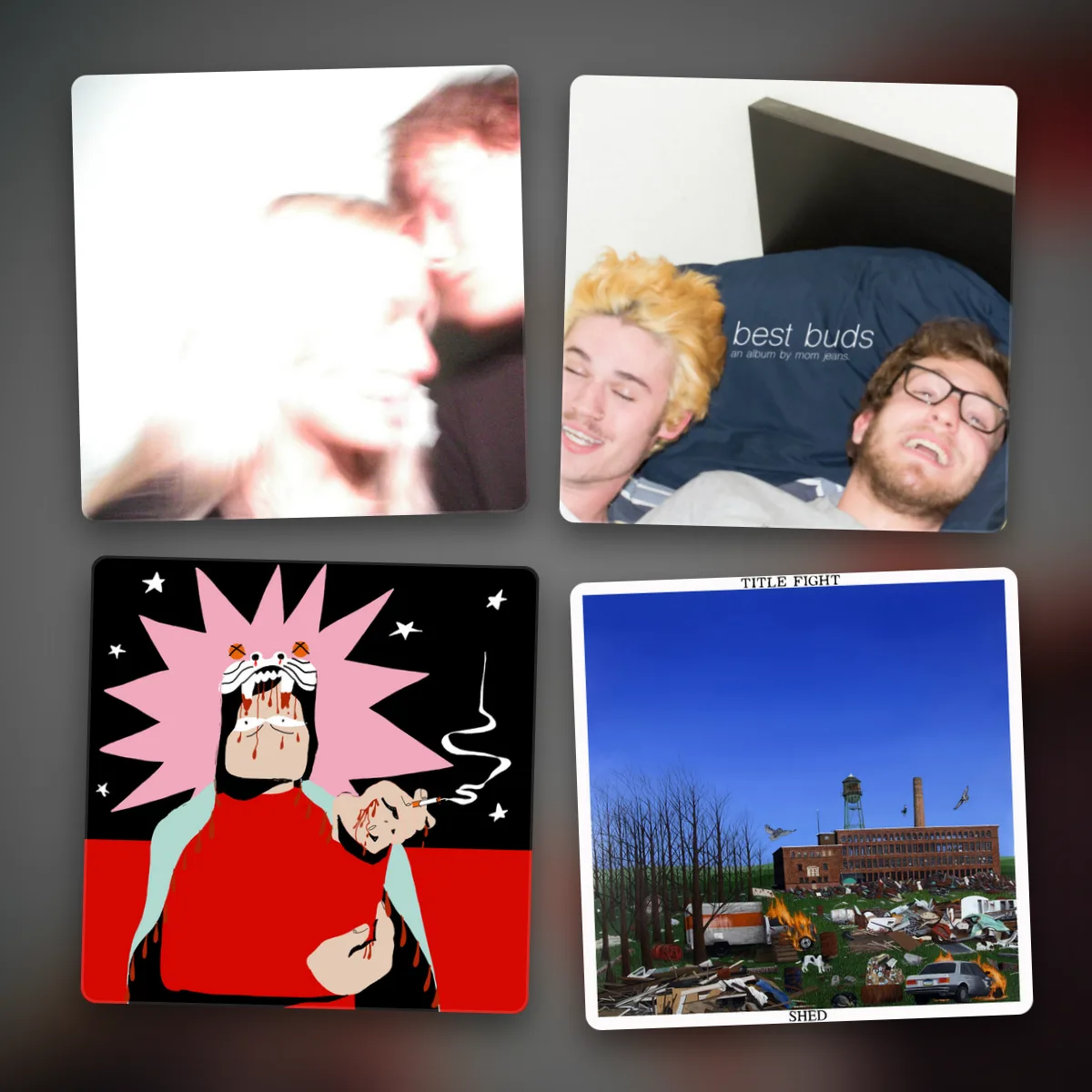
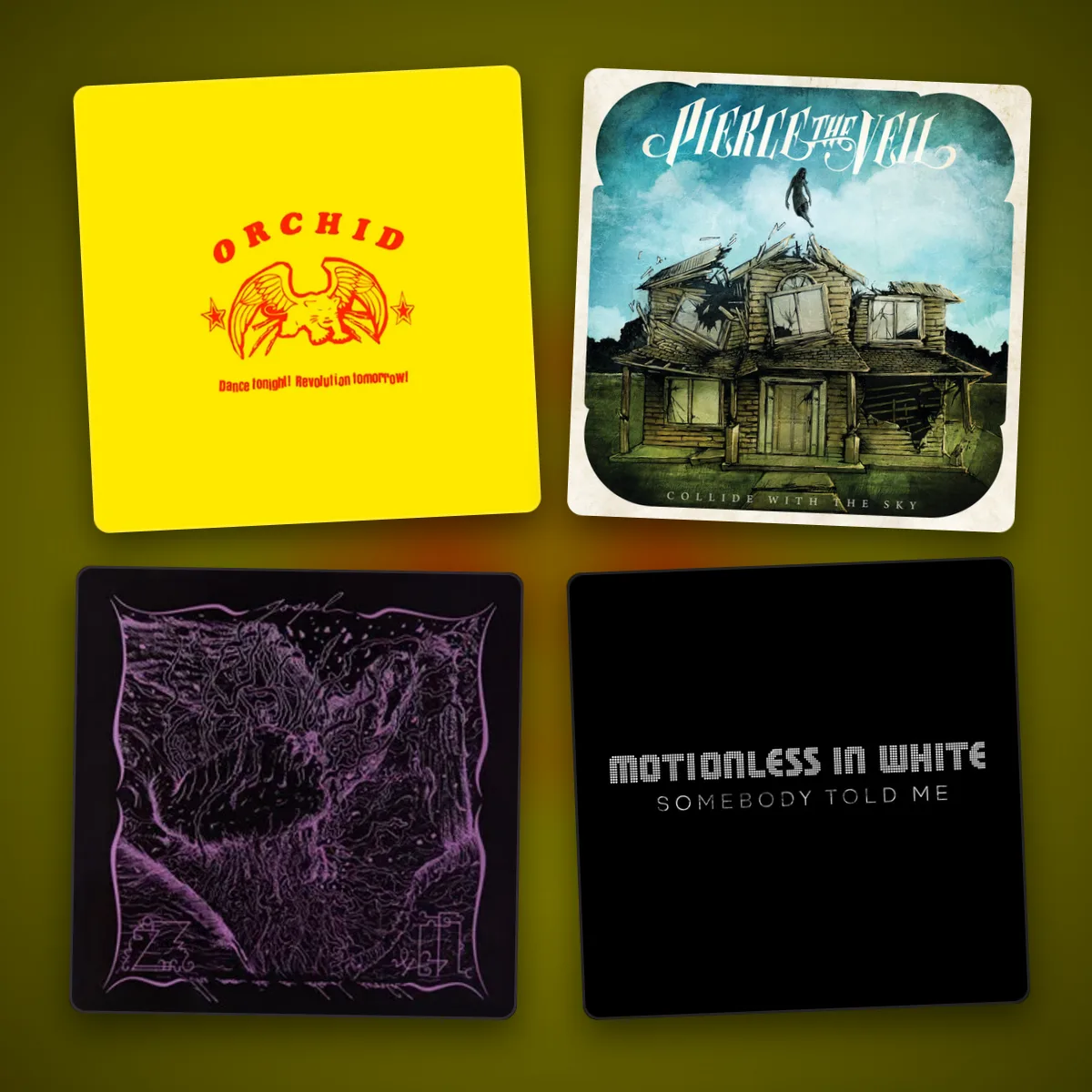
Top albums

Best playlists
Indie Emo Rock
Melodigging
The Sound of Indie Emo Rock
Every Noise at Once
Indie Emo Rock
Chosic

Best of Indie Emo Rock
volt.fm

Emo Kid Starter Pack 💿 2000s Rock & Alt Mix
kiki.mp3
Influenced by
Other similar genres
Genres sharing the most artists with Indie Emo Rock

