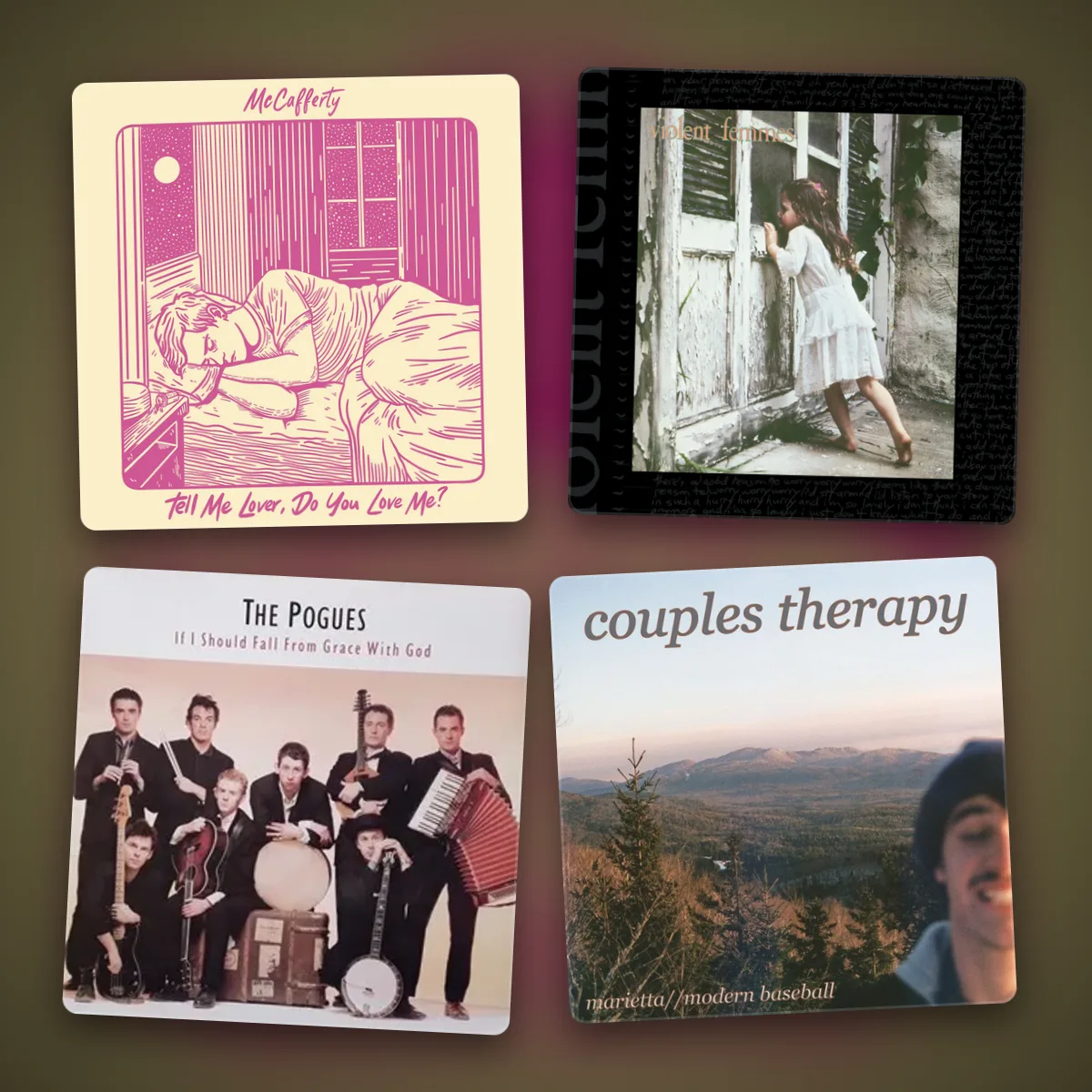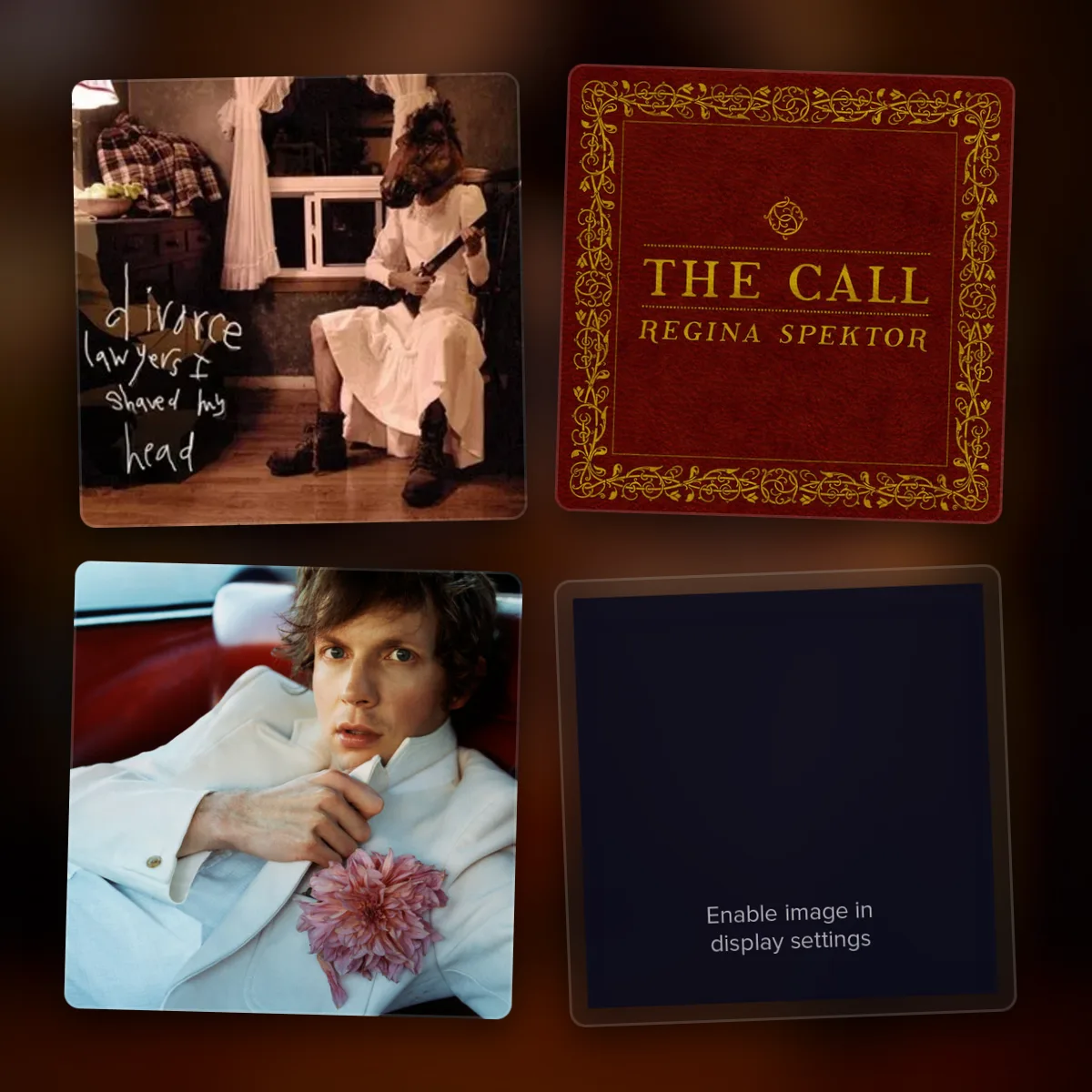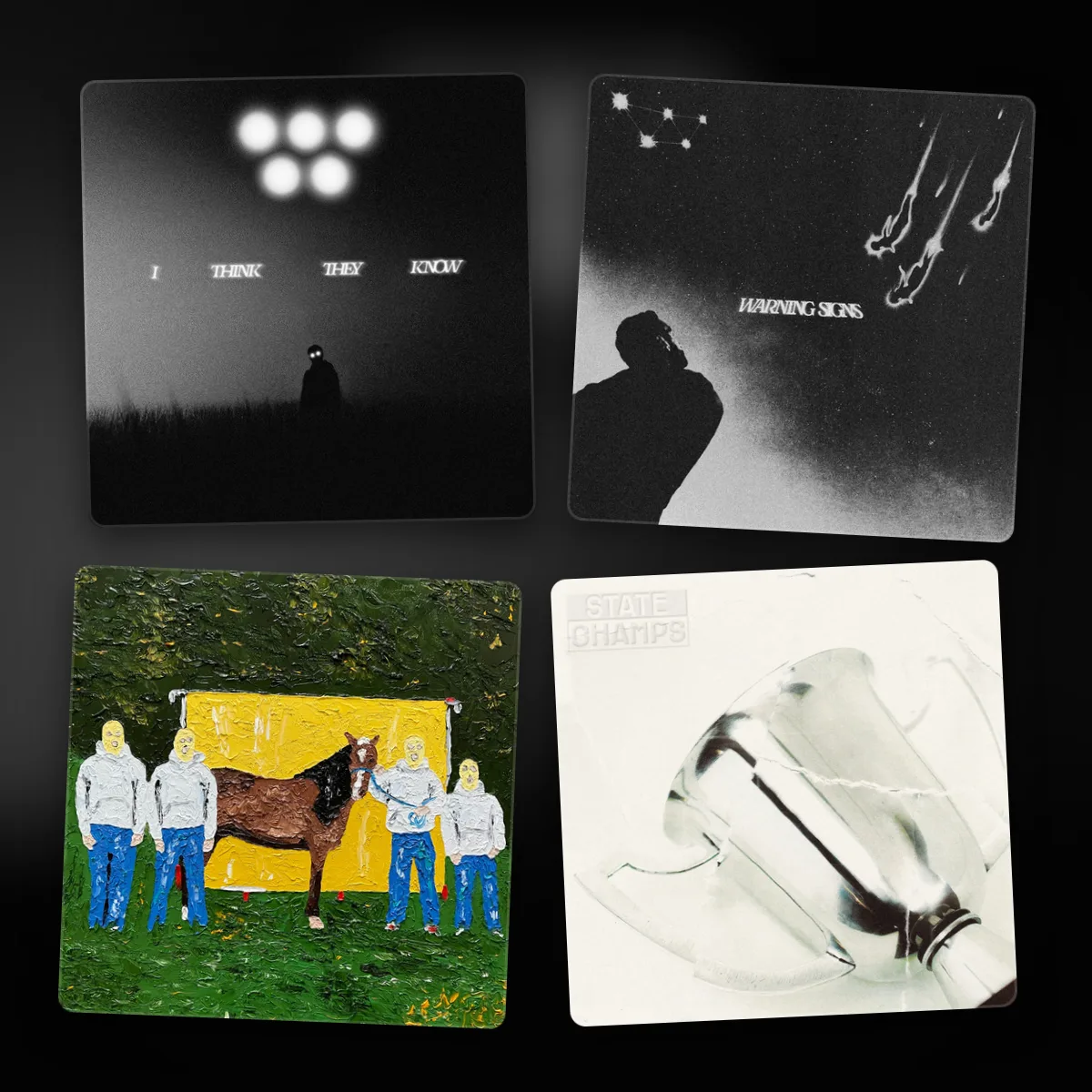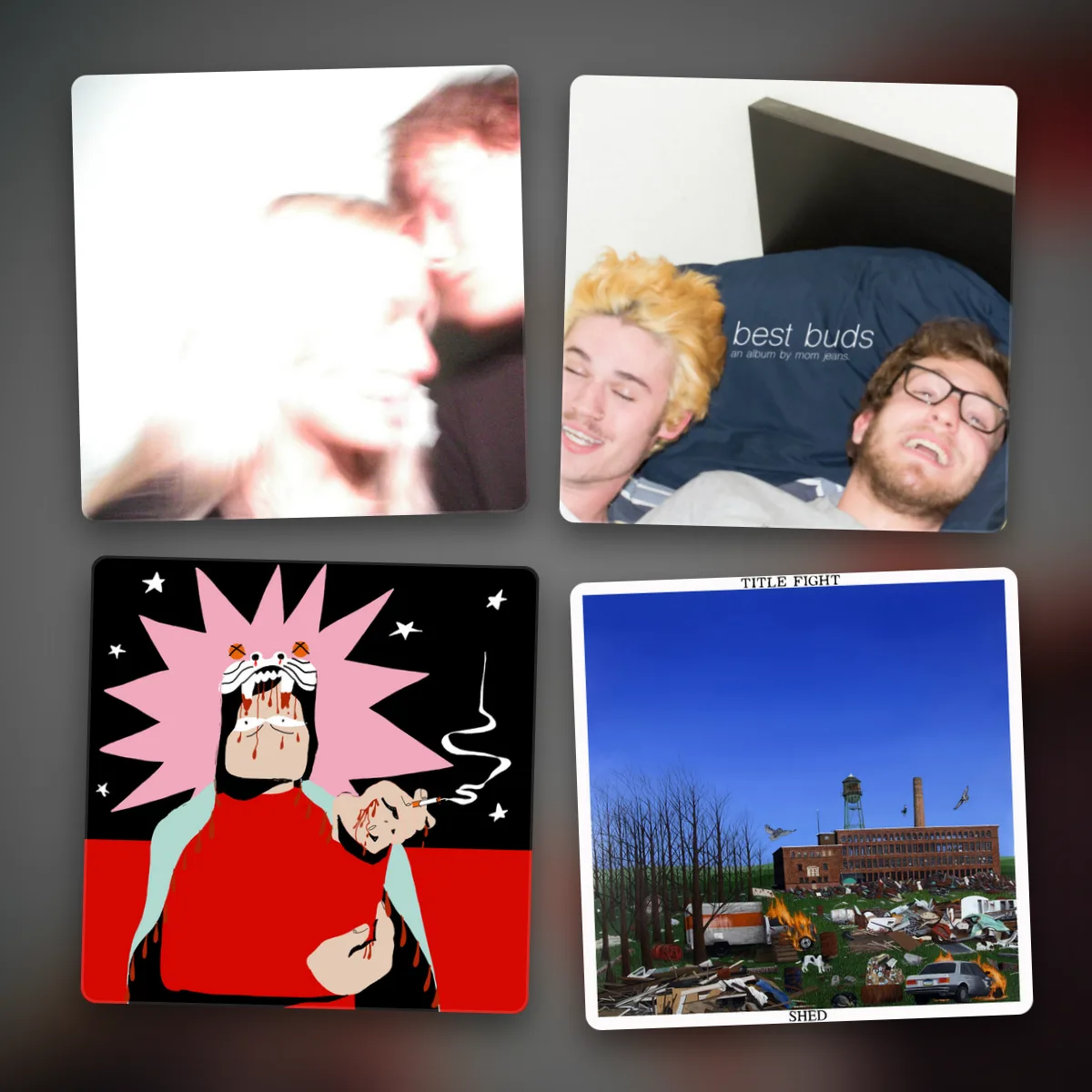
Description
Midwest emo is a regionally rooted branch of emo that emerged in the American Midwest during the 1990s. It is distinguished by clean, interlocking "twinkly" guitar lines, melodic bass counterpoint, and dynamic, often understated drumming.
The style blends the confessional lyricism and DIY ethos of emo with the delicacy and clarity of indie rock, plus the rhythmic and harmonic playfulness of math rock. Vocals tend to be intimate and conversational, while arrangements favor open guitar voicings (add9/sus2), arpeggios, and intricate two‑guitar interplay over high‑gain distortion.
While associated with college towns and basement shows, Midwest emo’s influence has spread widely, shaping subsequent waves of emo and inspiring cross‑genre borrowing from indie rock to emo rap.
More on: Wikipedia, Rate Your Music, Discogs, MusicBrainz, Aesthetics Wiki, Every Noise at Once, Wikidata

There will Never be another genre like Midwest Emo
VIZZY

The history of Midwest emo in two minutes
Tinflint

An Ignorant Guide to Midwest Emo
Coolea

The History of Emo (Might Delete Later)
Never Normal
History
Origins (early–mid 1990s)
The roots of Midwest emo lie in the second wave of emo and the Midwest’s independent rock communities in cities such as Chicago, Milwaukee, Madison, Champaign–Urbana, and Kansas City. Bands drew on the emotive intensity of earlier emo while softening hardcore aggression in favor of clean guitars, intricate arpeggios, and reflective songwriting. DIY venues, college radio, and small labels helped incubate the sound.
Consolidation and classic releases (late 1990s)
Groups like Cap’n Jazz, Braid, The Promise Ring, and Rainer Maria defined the template: interlocking guitar parts, dynamic shifts, and heart‑on‑sleeve lyrics. American Football’s 1999 self‑titled album became a touchstone, introducing airy trumpet embellishments, unusual meters, and shimmering clean tones that epitomized the style. Bands from just outside the region—such as The Get Up Kids (Kansas) and The Appleseed Cast—helped broadcast the sound more broadly.
2000s diffusion and continuity
Although many seminal bands split or evolved, the style persisted through related projects (e.g., Joan of Arc and Owen) and a steady underground following. Online communities and independent labels sustained interest, while the sound quietly informed adjacent indie and math‑leaning scenes.
2010s emo revival and internet era
A widely noted "emo revival" brought Midwest emo’s aesthetics to a new generation. Labels like Polyvinyl and Topshelf, plus Bandcamp and social media, amplified artists such as Into It. Over It., Foxing, Tiny Moving Parts, and Algernon Cadwallader. The characteristic "twinkly" guitar tone and intimate storytelling reappeared, sometimes fused with math rock precision and post‑rock atmosphere. Classic tracks (e.g., American Football’s "Never Meant") achieved viral afterlives, introducing the sound to listeners far beyond the Midwest.
2020s cross‑genre echoes
Midwest emo’s melodic guitar loops and wistful mood seeped into areas like emo rap and bedroom pop, while new bands continued to reinterpret the formula with updated production and broader influences. The genre remains a living idiom, equally at home in basements, clubs, and playlists.
Core instrumentation
• Two clean electric guitars (often with light chorus/delay), electric bass, and drums. Optional trumpet, glockenspiel, or keys for color.
Harmony and voicings
• Favor open, consonant sonorities: add9, sus2, 6ths, and extended dyads.
• Use inversions and voice‑leading so each guitar part moves melodically on its own.
• Experiment with open/alternate tunings (e.g., DADGAD, DADF#AD) or capo positions to unlock ringing intervals.
Guitar writing
• Build songs from interlocking arpeggios rather than block chords; let the two guitars "talk" to each other.
• Mix fingerpicking and gentle hybrid picking for clarity.
• Introduce occasional syncopated or "mathy" figures, but keep the overall feel lyrical and song‑forward.
Rhythm and form
• Mid‑tempo is typical (roughly 90–140 BPM), with dynamic swells and stop‑start gestures.
• Use unconventional phrase lengths and, sparingly, odd meters (5/4, 7/8) to create subtle asymmetry.
• Structures can be loose: extended intros/outros, instrumental interludes, or evolving A–B forms instead of strict verse/chorus.
Vocals and lyrics
• Intimate, conversational delivery; double‑tracking can add softness.
• Themes are reflective and specific: nostalgia, friendships, seasons, suburban/college‑town snapshots, small emotional turns.
• Favor concrete imagery over abstract slogans; let details carry the feeling.
Production aesthetics
• Clean, present guitar tones with light compression; minimal high‑gain distortion.
• Natural drum ambience with audible ghost notes and cymbal detail; prioritize dynamic range.
• DIY clarity over polish: leave slight imperfections and "room" in the mix.
Writing workflow tips
• Start with two complementary arpeggio loops in different fretboard areas; craft a bass line that sings beneath them.
• Map dynamic arcs early (quiet confessional → full‑band bloom → hushed coda).
• Add a simple, melodic post‑chorus hook (guitar or trumpet) that returns as an emotional motif.

Home - Resonance (Midwest Emo Version) Guitar Cover (With Tabs)
pmx2n

Ultimate Midwest Emo Guitar Tone Tutorial
Let's Talk About Math Rock

How to Midwest Emo in 5 easy steps #howto #guitar #midwestemo #iplayslinky
Justus Hajas

How to Make Midwest Emo in FL Studio
feezo

Top albums
Best playlists

Scenes
The local, national and historical scenes of Midwest Emo
Influenced by


Other similar genres
Genres sharing the most artists with Midwest Emo