Description
Guitars, layered voices and driving drums give philly indie much of its sound, from melodic indie rock and emo to dense shoegaze. The name is used by Every Noise at Once, Spotify’s genre labels and The Sounds of Spotify’s playlist, but has scarcely any written description.
Much of the music moves at a fast, steady rock pace, with prominent snare backbeats, bass and ringing or distorted electric guitars. Acoustic strumming and sustained keyboard textures also fill out some arrangements. Reverb is a constant presence: it can make a track feel spacious and dreamy or help turn guitars into a thick wash that partly buries the voice.
Singing is often layered in harmonies or doubles, with deliveries ranging from soft and airy to raspy and forceful. Melodies tend to be prominent and accessible, even when the guitars are noisy. English-language lyrics and song titles suggest personal, conversational themes; the mood can be energetic and anthemic, nostalgic or quietly reflective.
The music sits close to emo and midwest emo in its expressive vocals and shifts in intensity, while some songs share pop punk’s brisk rhythms and hooks or shoegaze’s hazy guitar effects. Much of the playlist’s music dates from the 2010s.
Based on: Every Noise at Once, Spotify's genre tags and playlist

Live From the Underground: Philly | The Origins
Global Rock Underground

"Philly is the center of indie rock music," says Will Yip
World Cafe
Build the band sound
Start with electric guitar, bass and a drum kit. Use a steady rock beat with a clear snare backbeat, then add strummed acoustic guitar or a sustained keyboard part for depth. Try both jangling guitar figures and overdriven chords.
Write and arrange
Give the song a strong vocal melody and an accessible chord progression. For an emo or midwest emo approach, contrast restrained passages with more forceful singing and louder guitars. For a pop punk edge, keep the rhythm brisk and the hook direct.
Shape the atmosphere
Layer vocal doubles or harmonies, and use reverb generously. For a shoegaze-like texture, combine distorted guitars with reverb and delay until the instruments form a dense wash; for a clearer indie-rock sound, leave more space around the vocal.

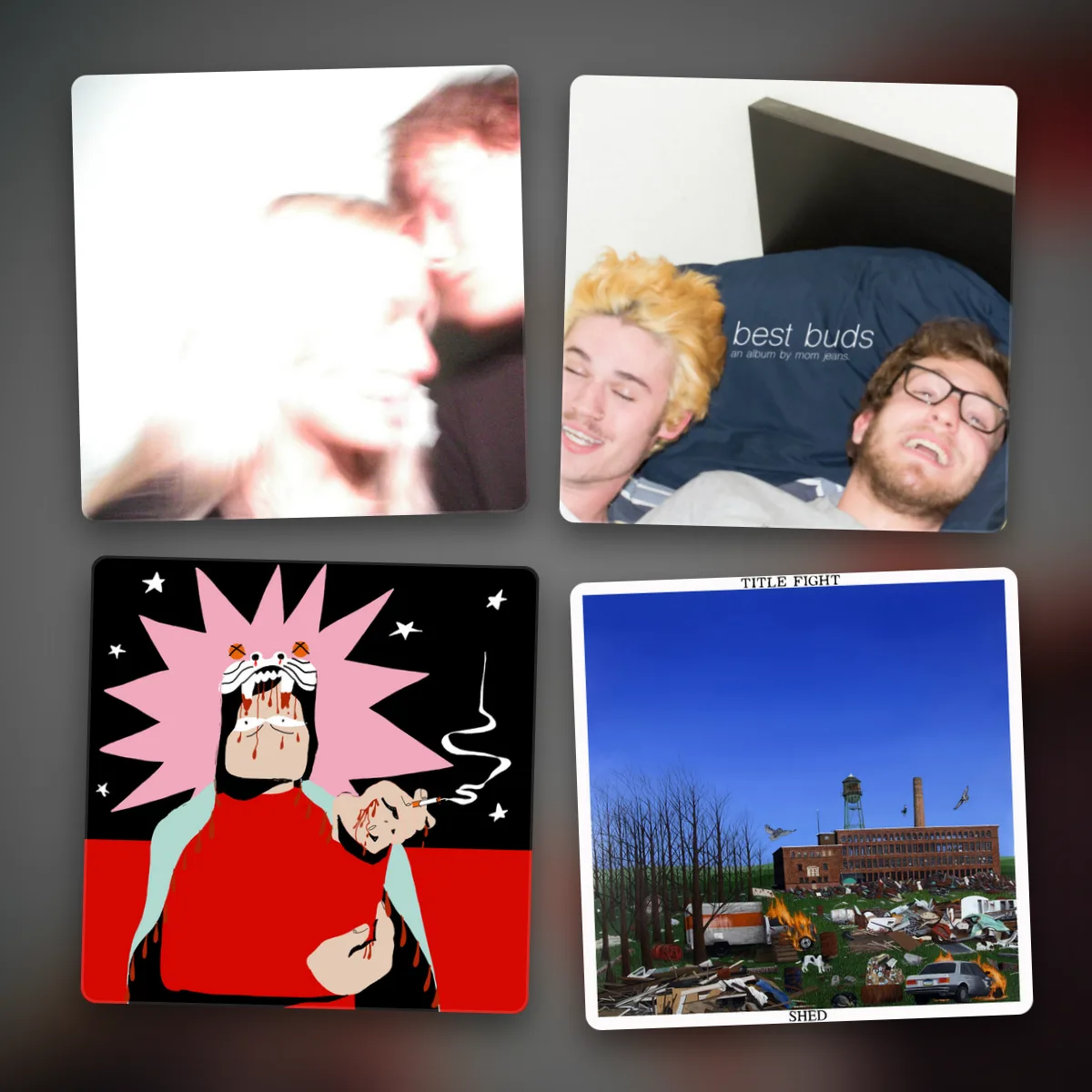
Top albums



Best playlists


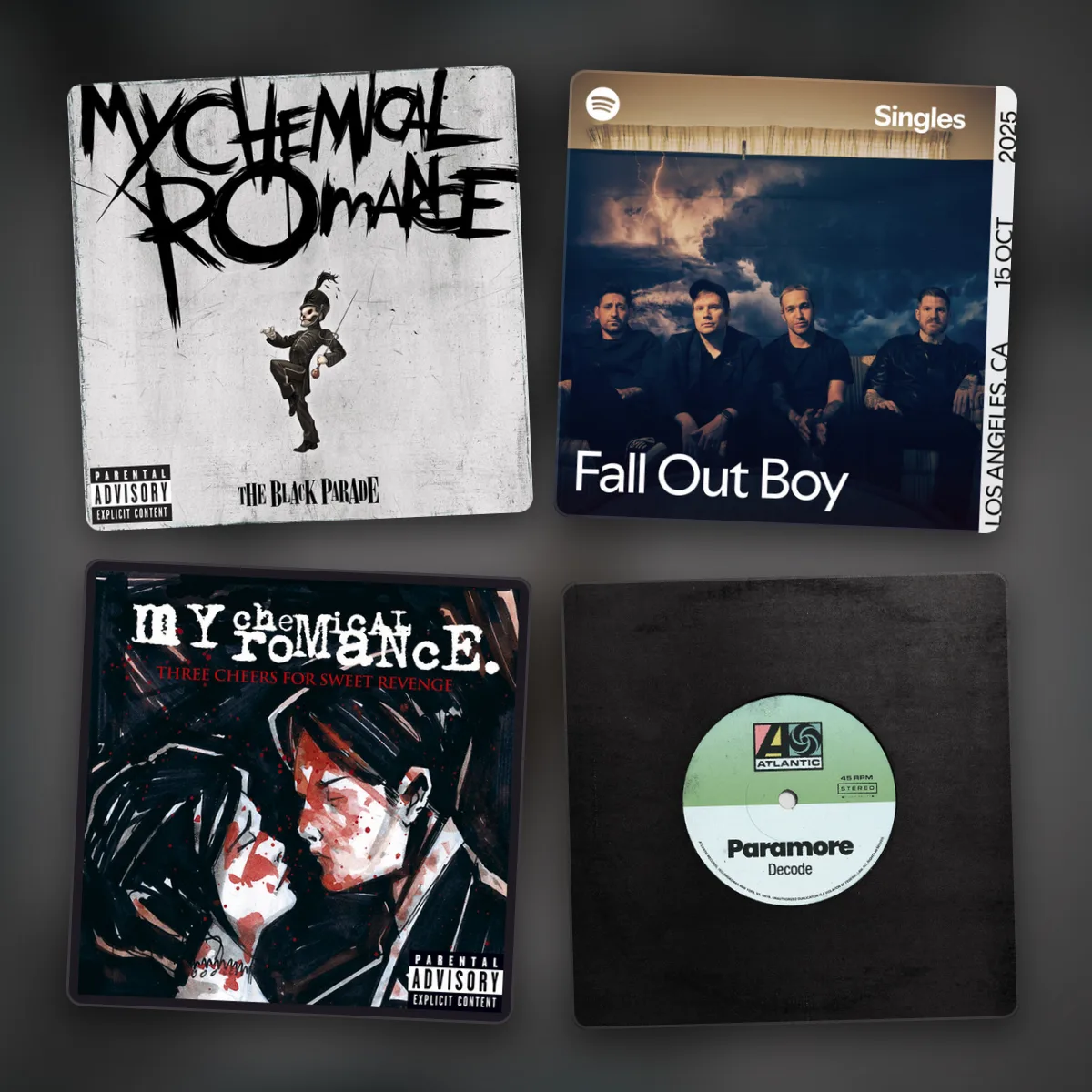
Influenced by


Other similar genres
Genres sharing the most artists with Philly Indie