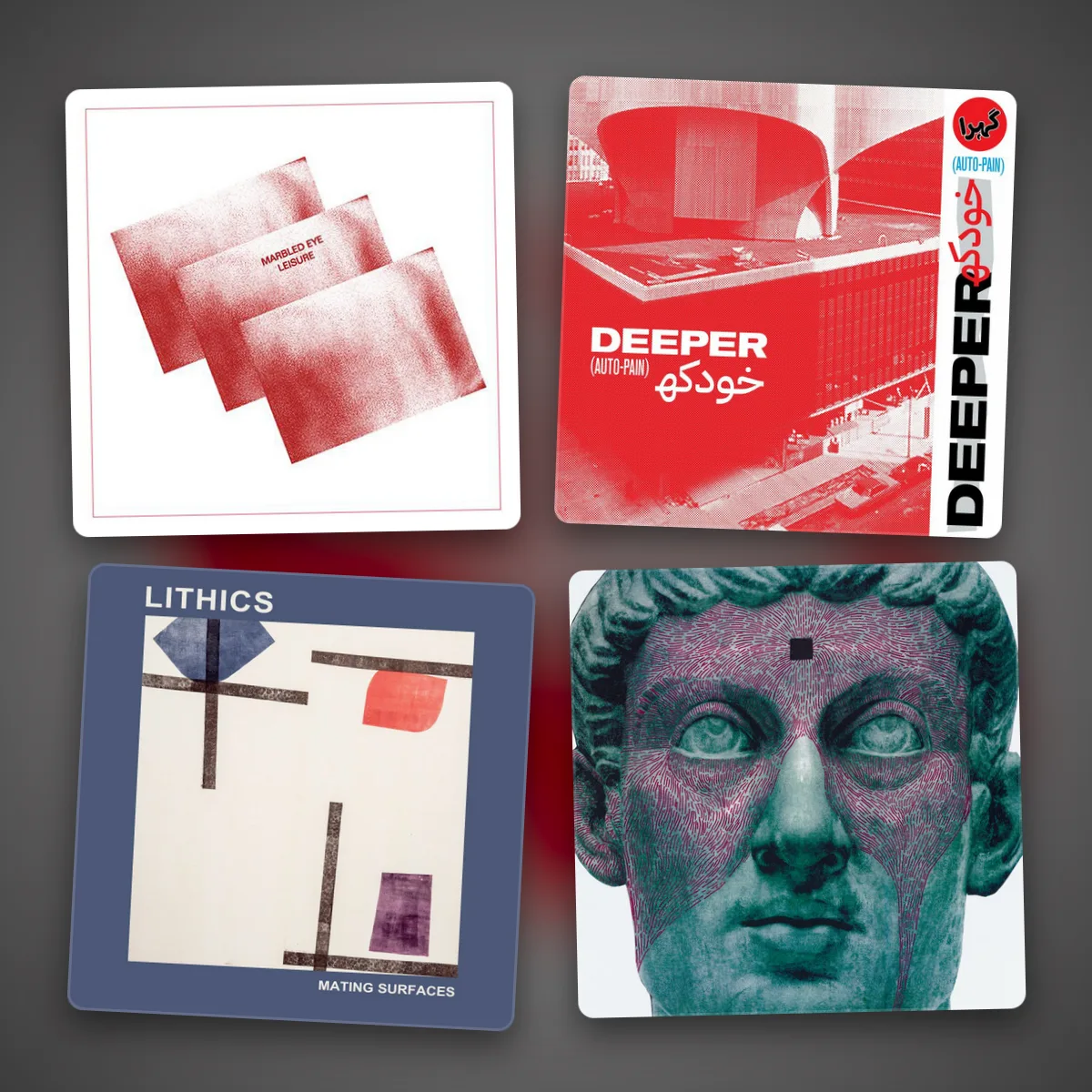
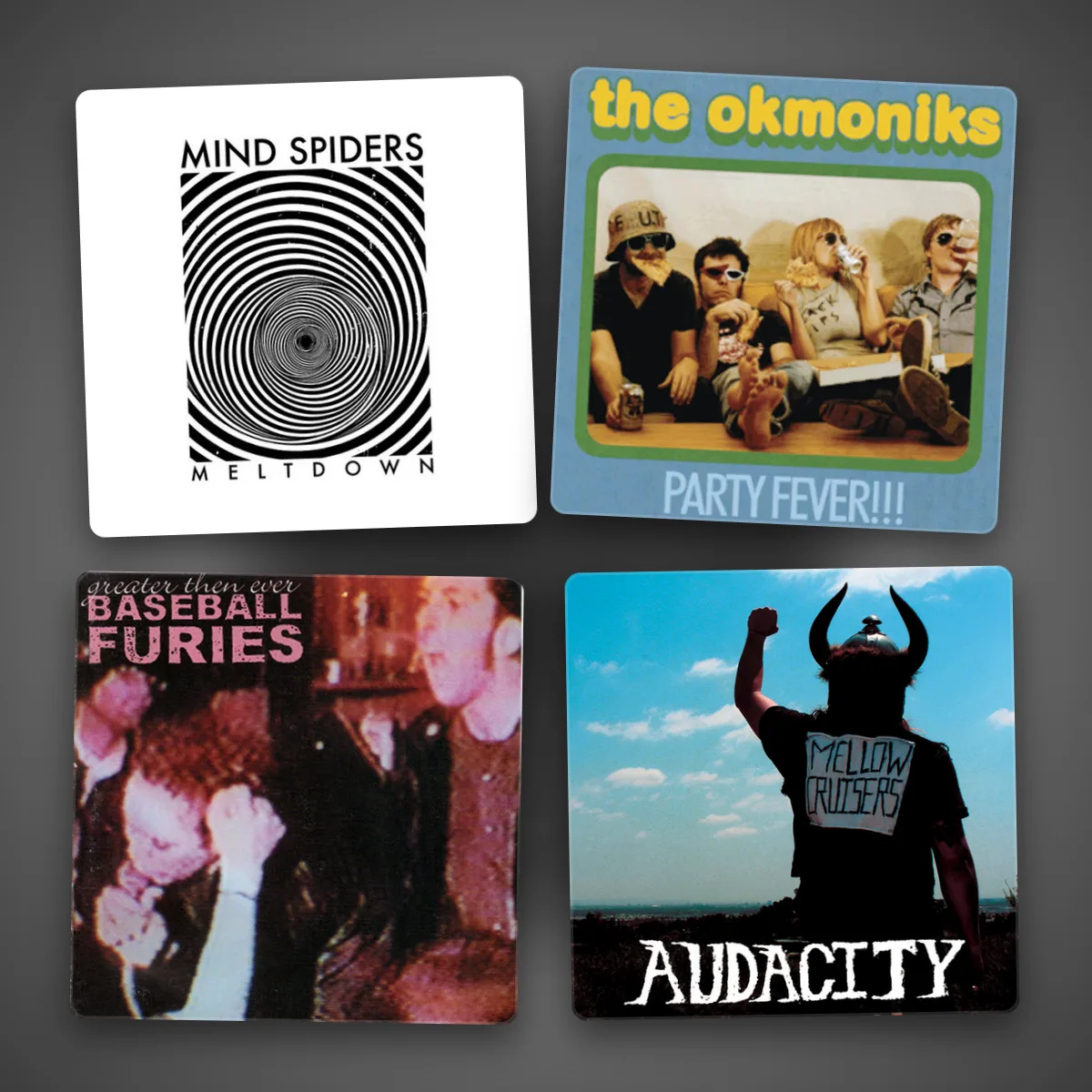
Description
Fast, driving rock built from distorted guitars, bass and hard-hitting drums, indie punk pairs catchy melodies with an urgent, often ragged vocal delivery. The term is used in Spotify’s genre labels and Every Noise at Once, though independent writing about it is scarce.
The guitars tend to form a dense wall of fuzz and overdrive, with ringing lead lines or arpeggios cutting through chord-heavy rhythms. Snare backbeats and sustained crash cymbals give the songs their momentum. Vocals are often high, strained or shouted, and reverb can blend them into the instrumental wash. The result ranges from raw, rowdy exuberance to a more angsty, cathartic intensity.
Its artists are also associated with garage rock, midwest emo, noise rock and power pop: their music can combine rough guitar textures and emotional singing with direct, memorable melodies. Many songs are in English, and titles such as “Constant Headache” and “I Hate the Weekend” suggest an everyday, conversational streak. Much of the music on the playlist comes from the mid-to-late 2010s.
Based on: Every Noise at Once, Spotify's genre tags and playlist
Build the band sound
Start with electric guitars, bass and an acoustic drum kit. Write a fast, steady rock beat with a strong snare backbeat, driving kick and generous crash cymbals. Keep the bass moving with the rhythm guitars.
Guitars and melody
Use simple, repeatable chord progressions and power chords, then add a higher guitar melody or arpeggio. Garage rock is a useful reference for raw fuzz and energy; power pop offers a model for making the melody immediate and memorable. For a rougher edge, draw on noise rock’s distortion and feedback.
Voice and mix
Sing in an urgent, high register, allowing some strain or grit rather than polishing every phrase. Take a cue from midwest emo’s emotional delivery and contrasts in dynamics. Layer or double the vocal if it suits the song, and use reverb to tuck it into a dense, saturated guitar mix.

How To Make Indie Punk Songs Like Eyedress
OLIVERSASLEEP