Description
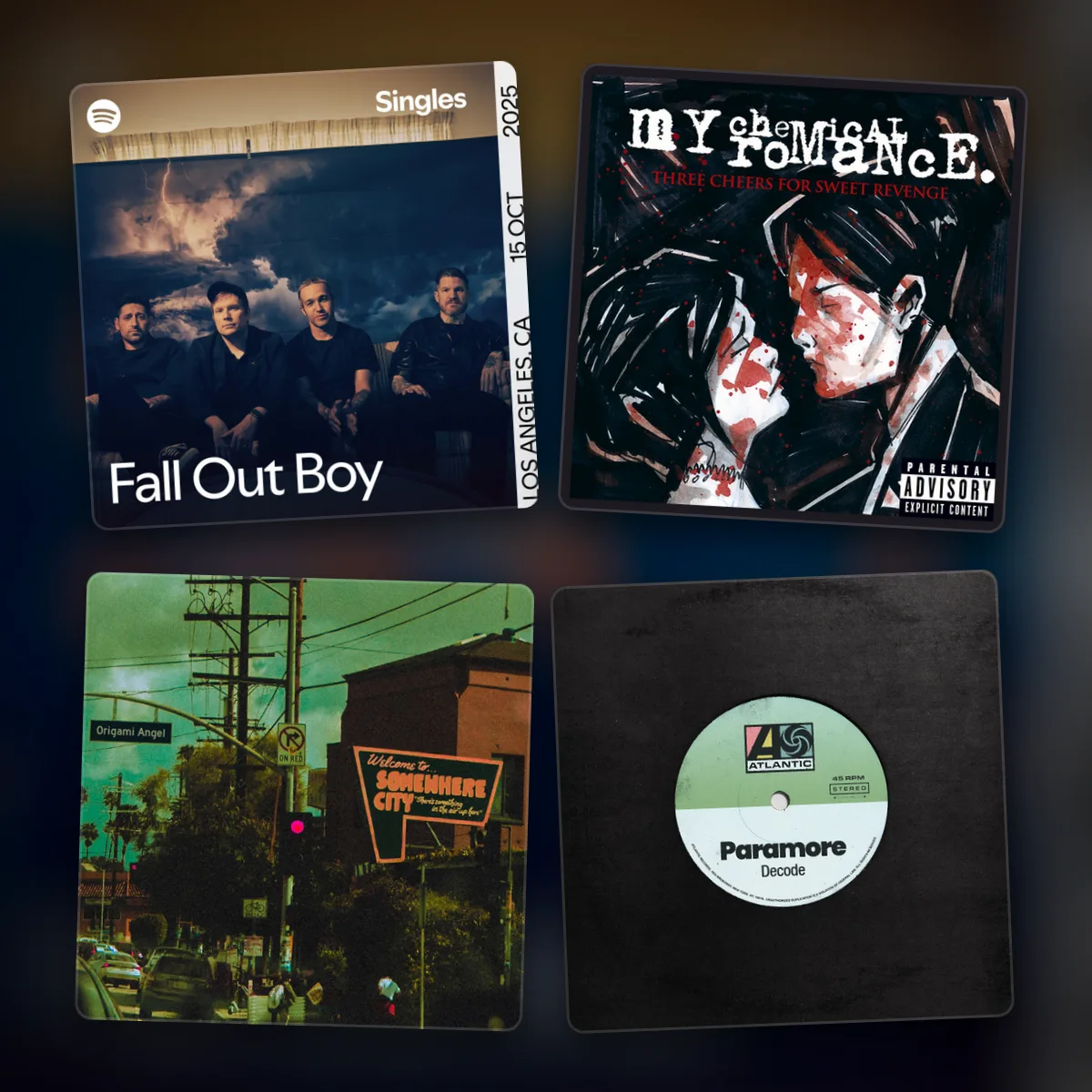
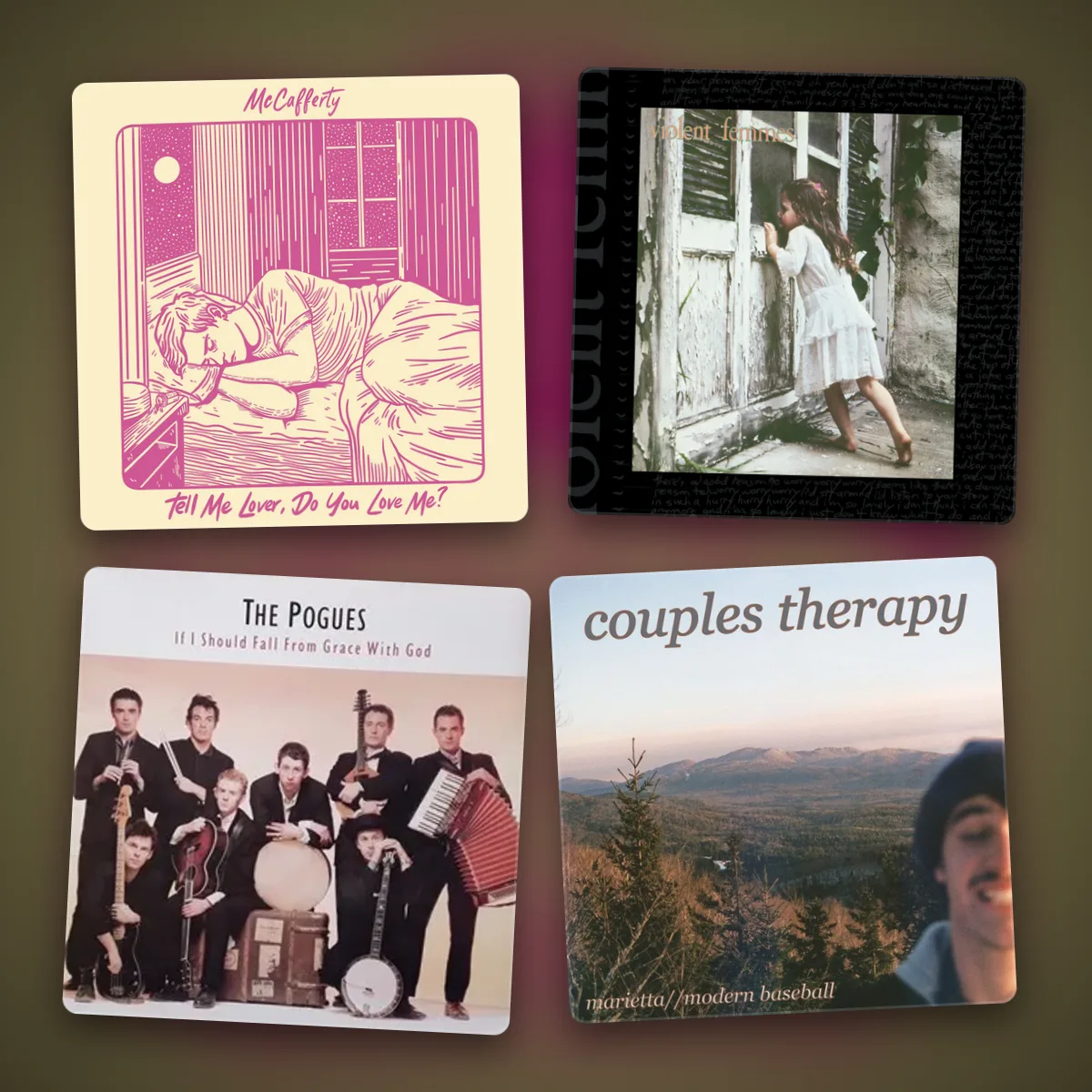
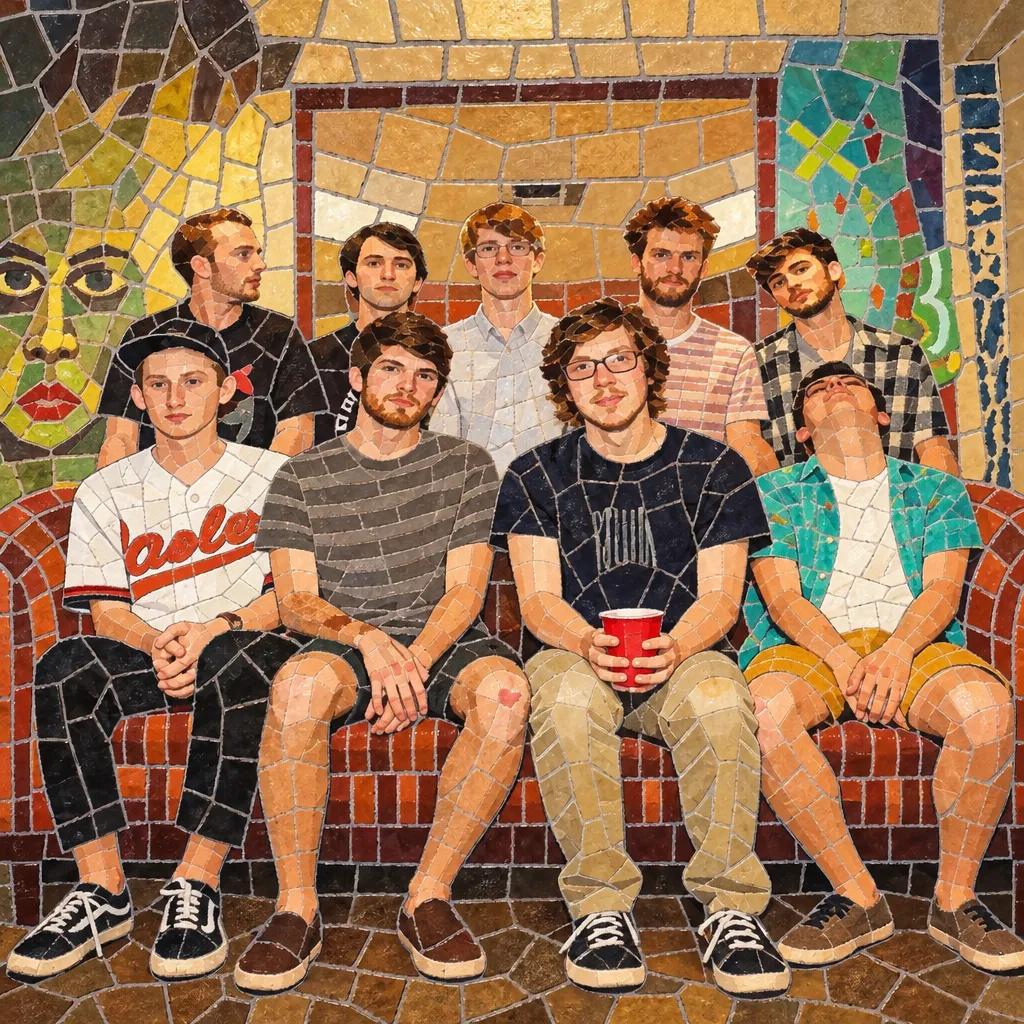
DIY emo appears in Every Noise at Once, a map of genres identified by Spotify, and in The Sounds of Spotify’s playlist “The Sound of DIY Emo”; little has been written about it.
The music is mostly energetic, emotionally charged rock played by electric guitars, bass and drums. Distorted guitars drive power chords and tightly muted riffs, while higher guitar lines add bright melodies and intricate arpeggios. Drums push forward with punchy snare backbeats and prominent crash cymbals; sudden stops, syncopated accents and shifts in dynamics can break up the momentum. Songs range from mid-tempo to fast.
Vocals are generally in English and often sound strained, high and urgent, moving between singing, belting and shouting. Some performances reach into screams, while layered harmonies or group vocals give choruses extra force. The production is often dense and loud, with wide guitars and prominent voices, though quieter passages can make the return of the full band feel more dramatic.
Its artists are especially close to midwest emo, with its emotional vocals and interlocking guitar parts, and math rock, with its angular melodies and unconventional rhythmic turns. Emo’s melodic songwriting and expressive delivery are also central. Titles such as “Welp, Fuck It” and “You Are the Answer to My Security Question” suggest a casual, sometimes self-deprecating sense of humor alongside the music’s angst. The tracks and albums listed span 2011 to 2025.
Based on: Every Noise at Once, Spotify's genre tags and playlist

Types of styles #punk #metalhead #goth #y2k #grunge #hippy #scene #emo
cuteoutfitinspo

credits: @thatgirlwith.curlyhair #syris #emo #scenegirl #rawrxd #2000semo #scenekid #scenecore
syris

Early 2000's Vs. Late 2000's #emo #alternative #2000s #scene #poppunk #numetal
Kevin Crow

Emo music for beginners 💀 #emo #emomusic #poppunk #punk #rockmusic #alternative #alt
Anndy Negative
History
The name appears on Every Noise at Once, a map of genres identified by Spotify, and in The Sounds of Spotify’s playlist “The Sound of DIY Emo.” The tracks and albums listed under it were released between 2011 and 2025.
Band and guitars
Start with electric guitars, bass and a full drum kit. Build riffs from distorted power chords and palm-muted rhythms, then layer higher melodic lines or arpeggios over them. Look to midwest emo for interlocking guitar parts and contrasts between quieter and louder sections.
Rhythm and arrangement
Use a driving rock beat with a punchy snare and prominent crash cymbals. Add brief stops, syncopated accents or changes in intensity; math rock offers ideas for angular riffs and more intricate rhythmic turns. Keep the song melodic and dynamic in the spirit of emo.
Voice and production
Write an emotionally direct English-language vocal that can move from singing into a strained belt or shout. Layer harmonies or group voices for emphasis, and use wide distorted guitars and upfront vocals for a dense, energetic mix.

How to start an Emo Band, in 5 steps 😳🔥 accurate? #emo #goth #alternative #rockband #music
TX2 OFFICIAL

How to Make Midwest Emo in FL Studio
feezo

Making an Emo Rock Song (Basement, Superheaven, Joyce Manor)
Trev Barnes

How to Make Any Song Emo
Breakfast For Joey

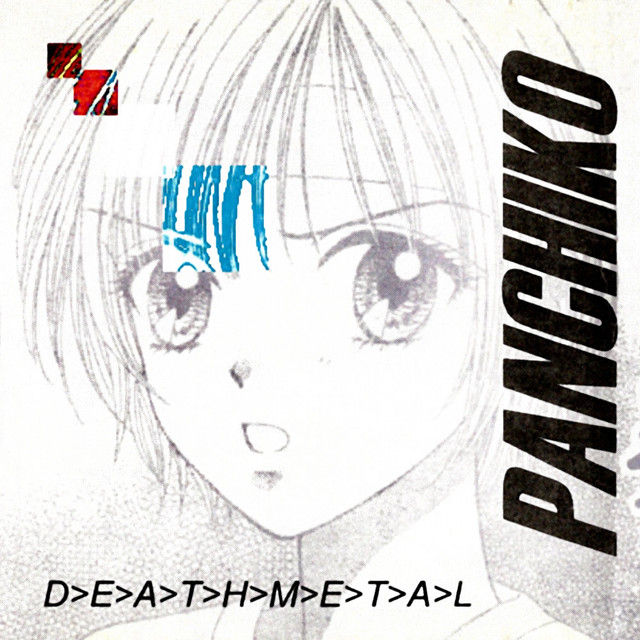
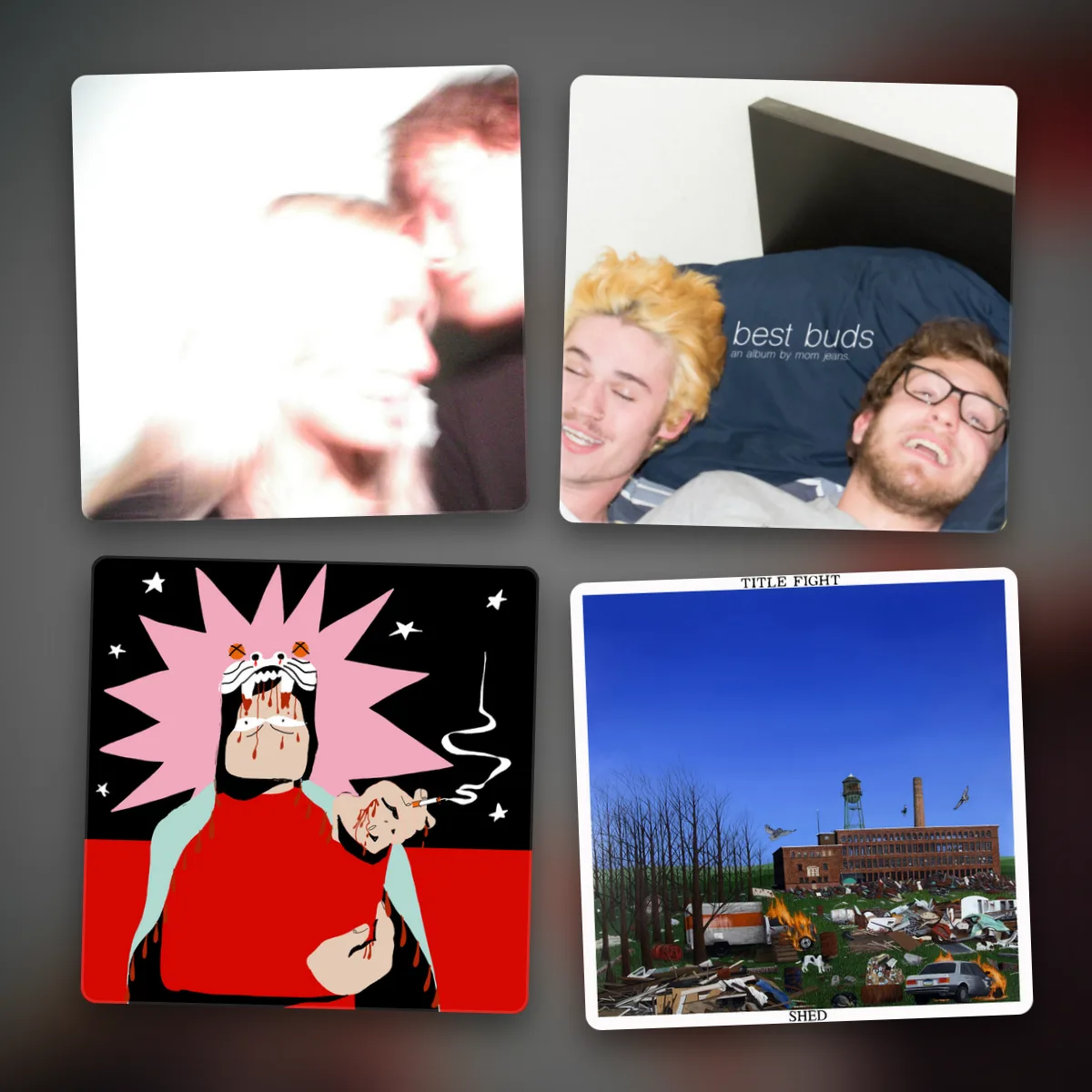
Top albums







Best playlists


Influenced by


Other similar genres
Genres sharing the most artists with Diy Emo