Description
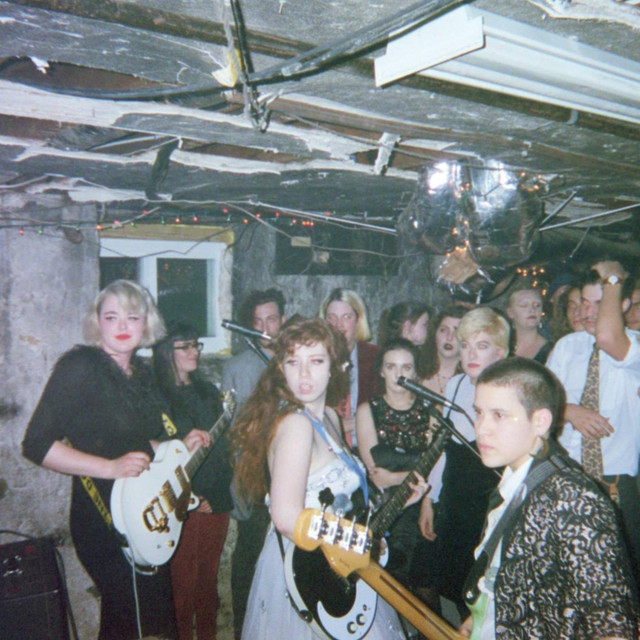
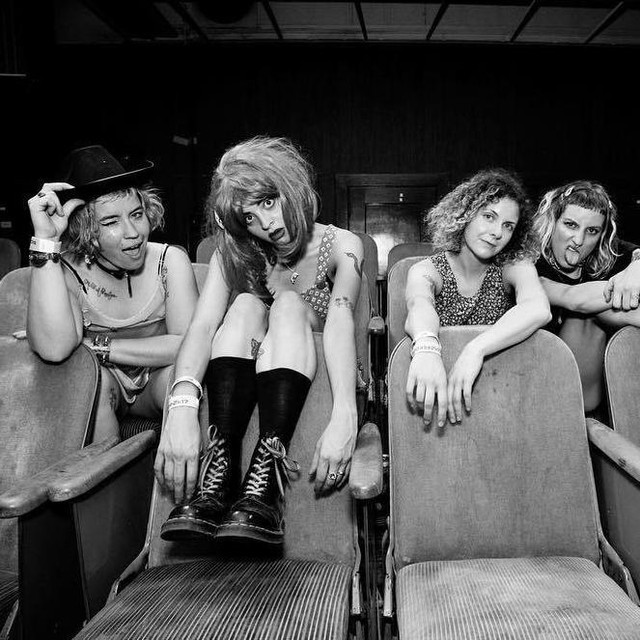
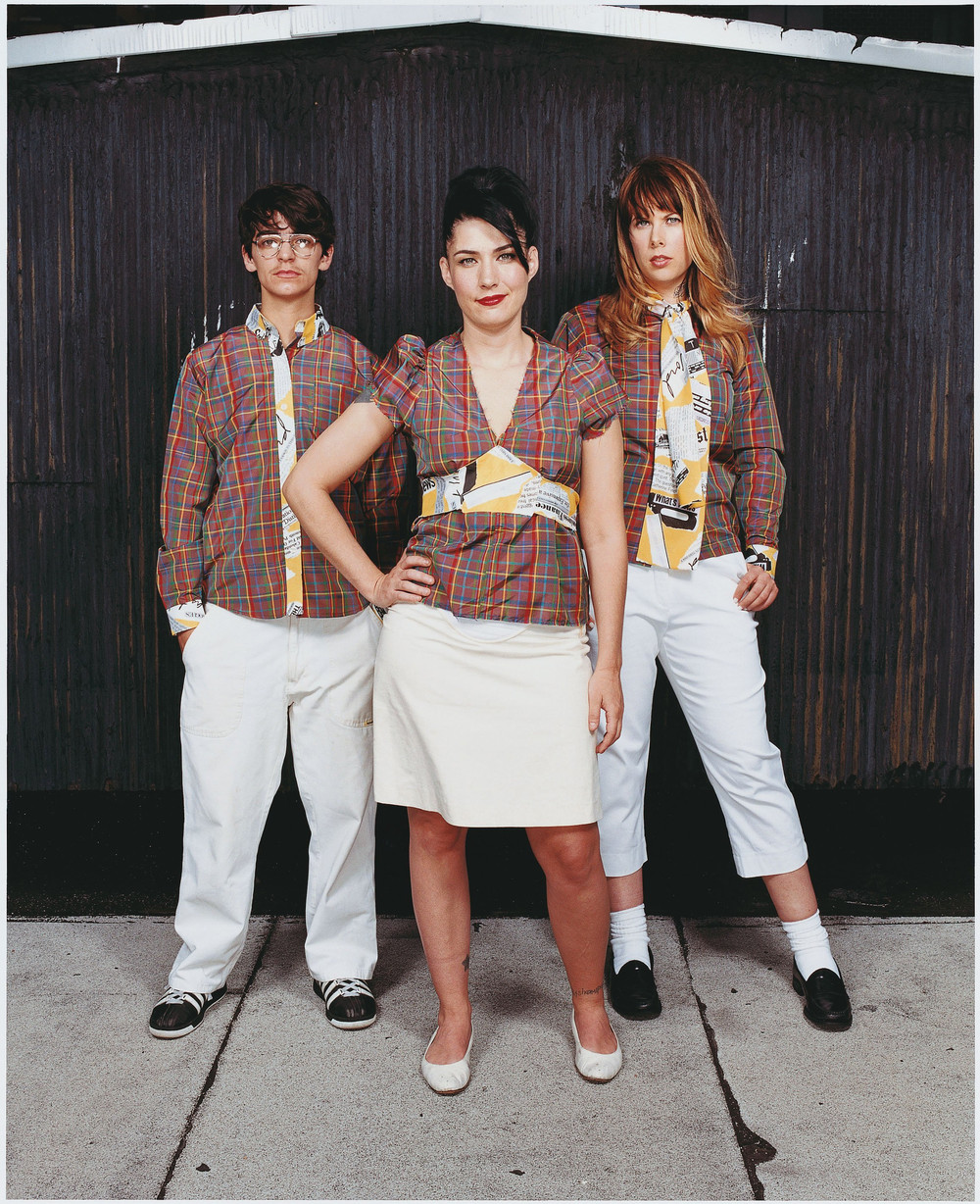
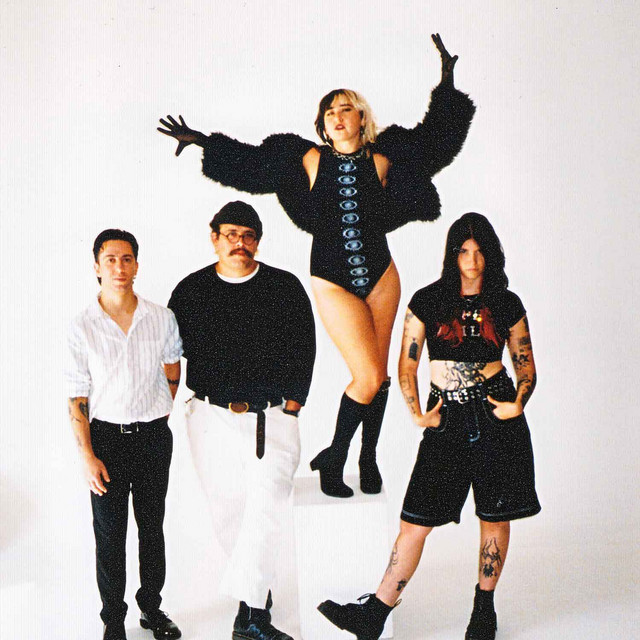
Riot grrrl was an underground feminist punk movement, not a single musical style. It emerged in the early 1990s from connected scenes in the Pacific Northwest and Washington, D.C., where musicians and writers used bands, independent labels, meetings and homemade zines to challenge sexism and create space for women in punk.
Its bands played punk rock, hardcore punk and indie rock, often favoring short, raw songs, minimal instrumentation, distorted guitars and confrontational vocals. Noise rock and post-hardcore also informed some of the music. Lyrics could turn personal experiences into political statements, addressing gender roles, sexuality, racism and violence as well as anger and solidarity.
The movement’s DIY culture extended beyond recordings to photocopied publications, collective organizing and shows that encouraged women to participate. Its inclusiveness was contested: the New-York Historical Society has noted that some women of color left because they felt unheard, while some commentators criticized Bikini Kill for excluding men.
Based on: Wikipedia, Rate Your Music, Aesthetics Wiki
More on: MusicBrainz, Every Noise at Once, Wikidata

What’s riot grrrl? #music #punk
blustre

Riot Grrrl: The '90s Movement that Redefined Punk
Polyphonic

Riot Grrrl Documentary
Lianna Platzner

Riot Grrrl: The Story of Feminist DIY Punk
A Grrrl's Two Sound Cents
History
Formation
Riot grrrl took shape in 1991 among women connected to the punk scenes of Olympia, Washington, and Washington, D.C. Discussions about sexism in those scenes converged with a network of feminist zines and bands. Bikini Kill and Bratmobile were central to the early movement; the first documented use of the name appeared in the July 1991 zine riot grrrl.
A growing network
In August 1991, the opening night of Olympia’s International Pop Underground Convention brought many women musicians together for an event later known as “Girl Night.” Tours, zines and word of mouth helped local chapters develop elsewhere. The first Riot Grrrl Convention followed in Washington, D.C., in 1992, combining performances with workshops. In England, Huggy Bear became closely associated with the movement and worked with Bikini Kill.
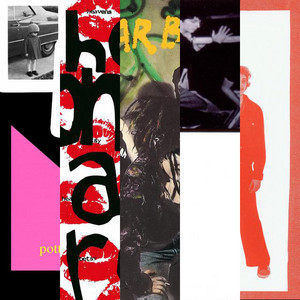
Independent releases gave the network a lasting musical record. Bikini Kill self-released the demo cassette Revolution Girl Style Now in 1991; its 1993 album Pussy Whipped included “Rebel Girl,” a song that became widely recognized as a movement anthem. Bratmobile released Pottymouth on Kill Rock Stars during its initial run.
Fragmentation and legacy
By the mid-1990s, the movement had splintered and several early bands had broken up. Bikini Kill called for a media blackout because its members believed the movement was being misrepresented. Some participants also argued that mainstream “girl power” had diluted its radical politics. Musicians continued in other projects: Sleater-Kinney emerged from members of Heavens to Betsy and Excuse 17, and later feminist punk acts drew inspiration from riot grrrl.
Build a direct band sound
Start with the compact, raw punk songs associated with the scene rather than aiming for a polished production. A guitar, bass, drums and voice can provide the core; try distorted guitar, an insistent rhythm and an arrangement that leaves the performance’s rough edges audible. Minimal playing and an intentionally unrefined presentation can serve the DIY approach, though the scene encompassed more than one sound.
Put the words in the foreground
Write from a personal or political point of view, using concrete experiences or direct statements rather than treating a subject as an abstract slogan. An angry, shouted or confrontational vocal can suit the material, but vary the delivery to give important lines emphasis. Keep the instrumental parts clear enough for the words and their emotional force to register.
Make and share it yourself
A practical punk approach is to rehearse collaboratively, record a simple band performance and distribute it independently. You could accompany songs with a homemade, photocopied zine or lyric sheet, linking the music to writing and visual collage. For a live performance, consider making the words available to listeners and encouraging an active relationship between performers and audience.

How To Write A Hardcore Punk Riff
12tone
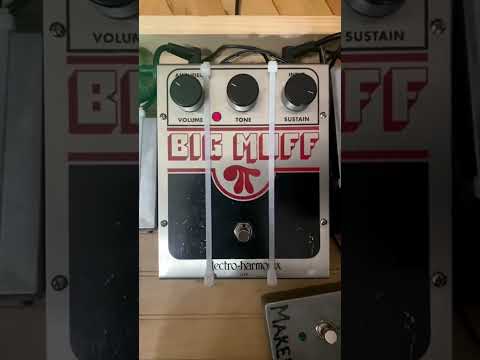
A quick how to for my riot grrrls! #riotgrrrl #diypunk #punkmusic #howtoproduce
Bad Static

Top albums
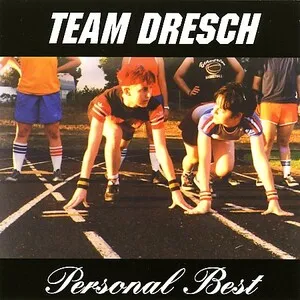
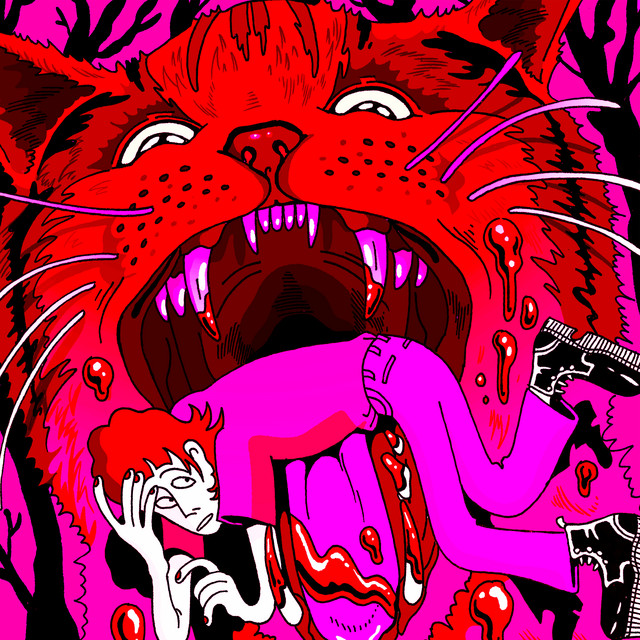
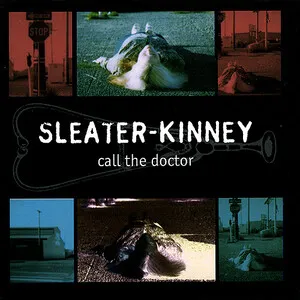
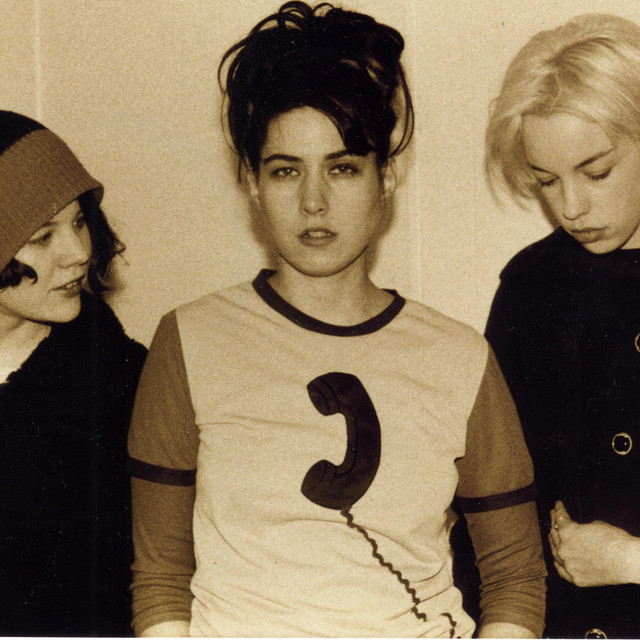
Best playlists


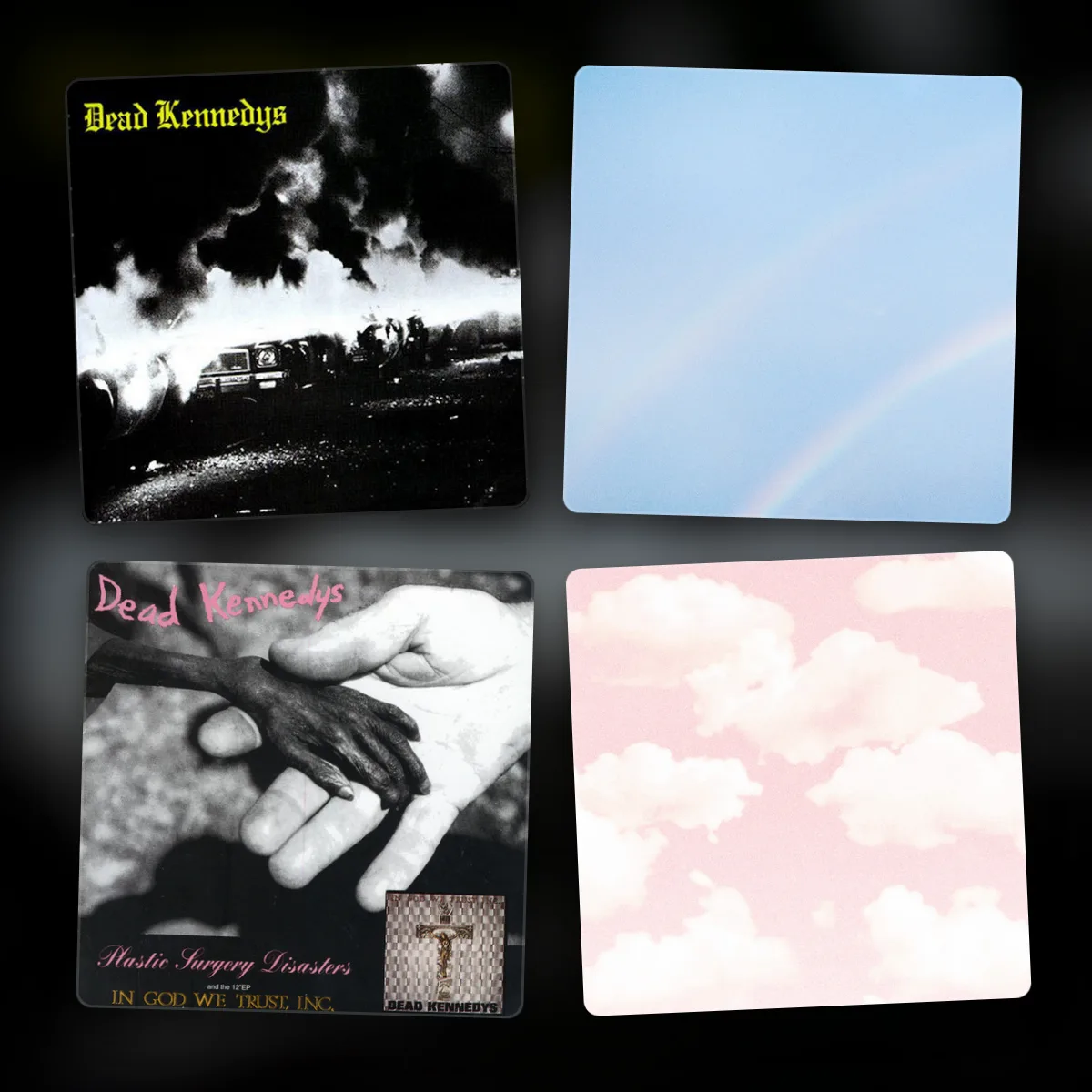
Influenced by
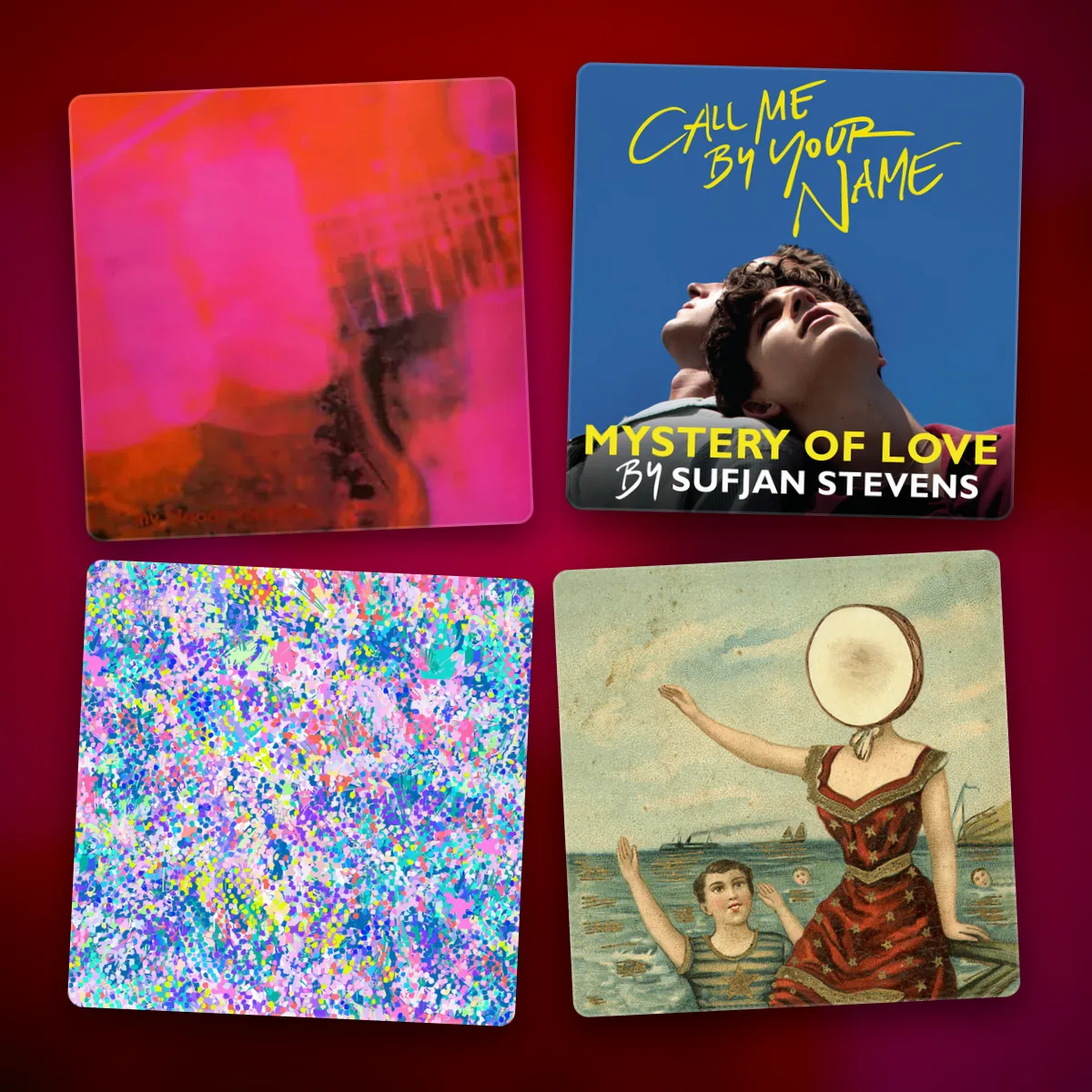
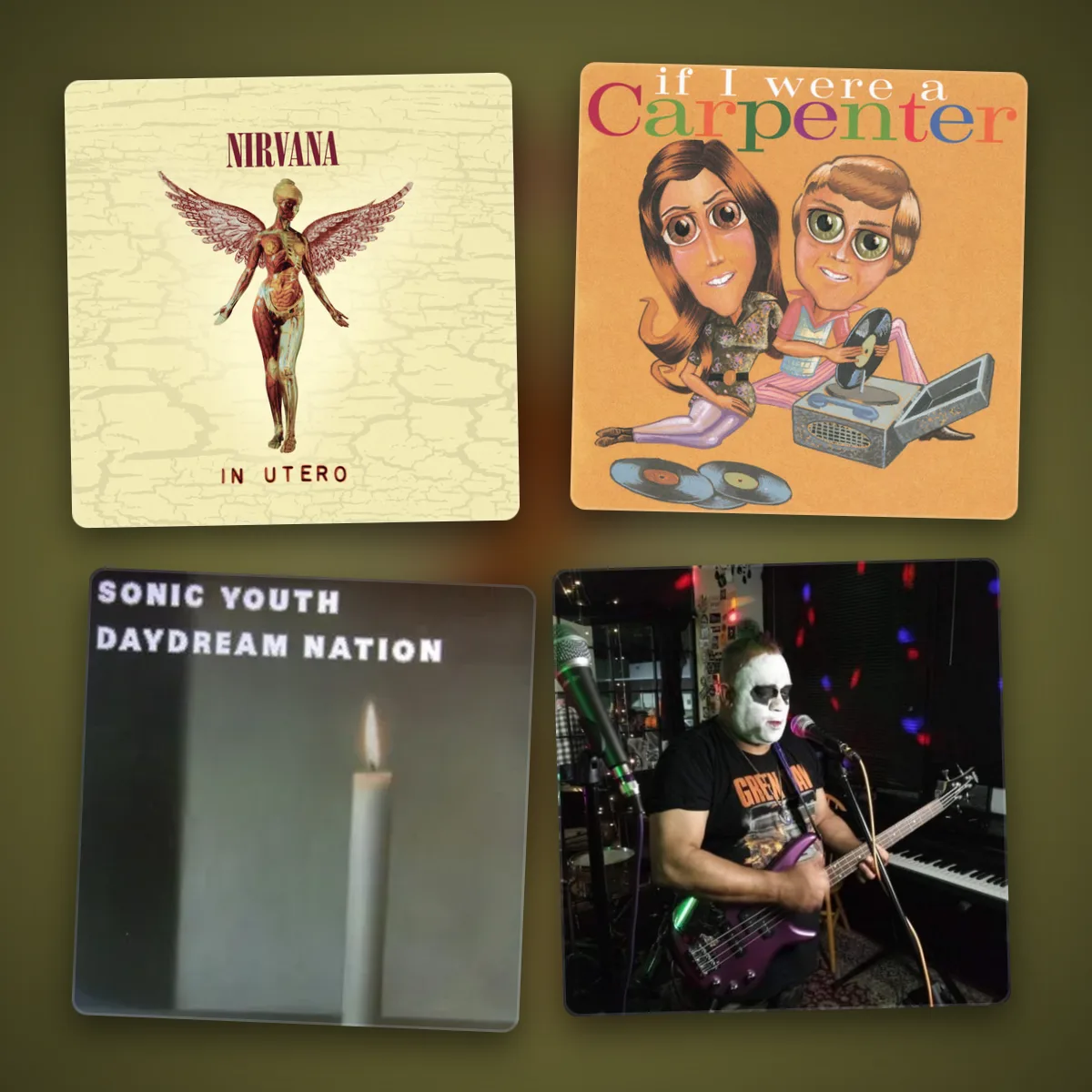

Has influenced

Other similar genres
Genres sharing the most artists with Riot Grrrl