Description
Bright guitar melodies push through fuzz and cymbal wash in tape club, a guitar-driven sound that can be both exuberant and wistful. The term is traceable to Every Noise at Once, Spotify’s genre labels and the playlist “The Sound of Tape Club”, though it has received scant written description.
Electric guitars, bass and drums drive the music with steady rock beats and prominent snare backbeats. Guitars often combine distortion or overdrive with cleaner, jangling lines, while reverb and cymbals add density to the mix. English-language singing ranges from soft and airy to urgent and strained; harmonies sometimes reinforce the lead, which can sit partly buried among the guitars. Catchy melodies and straightforward chord progressions keep the songs accessible even at their noisiest.
The music ranges from hazy, shoegaze-like guitar pop to faster, rawer punk-edged indie rock. Its artists are also associated with jangle pop, indie pop and twee pop, styles that share its melodic guitar playing and unpolished character. Even upbeat songs often carry a bittersweet feeling, and titles such as “Does Love Last Forever?” and “The Boy I Wish I Never Met” suggest an interest in affection, longing and romantic disappointment. Many releases date from the 1990s and early 2000s.
Based on: Every Noise at Once, Spotify's genre tags and playlist
Build the band sound
Start with electric guitar, bass and an acoustic drum kit. Use a steady rock beat with a firm snare backbeat and continuous hi-hat or cymbals. Let bass and rhythm guitar keep the momentum moving, with fills to mark transitions.
Layer melody and texture
Draw on jangle pop and indie pop for straightforward chords, catchy vocal melodies and bright, ringing guitar lines. Add fuzz or overdrive to another guitar layer, and use reverb for the denser, more atmospheric sound associated with shoegaze. For a faster, rougher approach, keep the arrangement direct and the playing energetic.
Shape the vocal
Sing in English with an earnest delivery, from airy and understated to urgent. Try adding harmonies, then blend the voice into the guitars rather than placing it far in front. A buoyant rhythm paired with a wistful melody can capture the contrast found in much of the music.

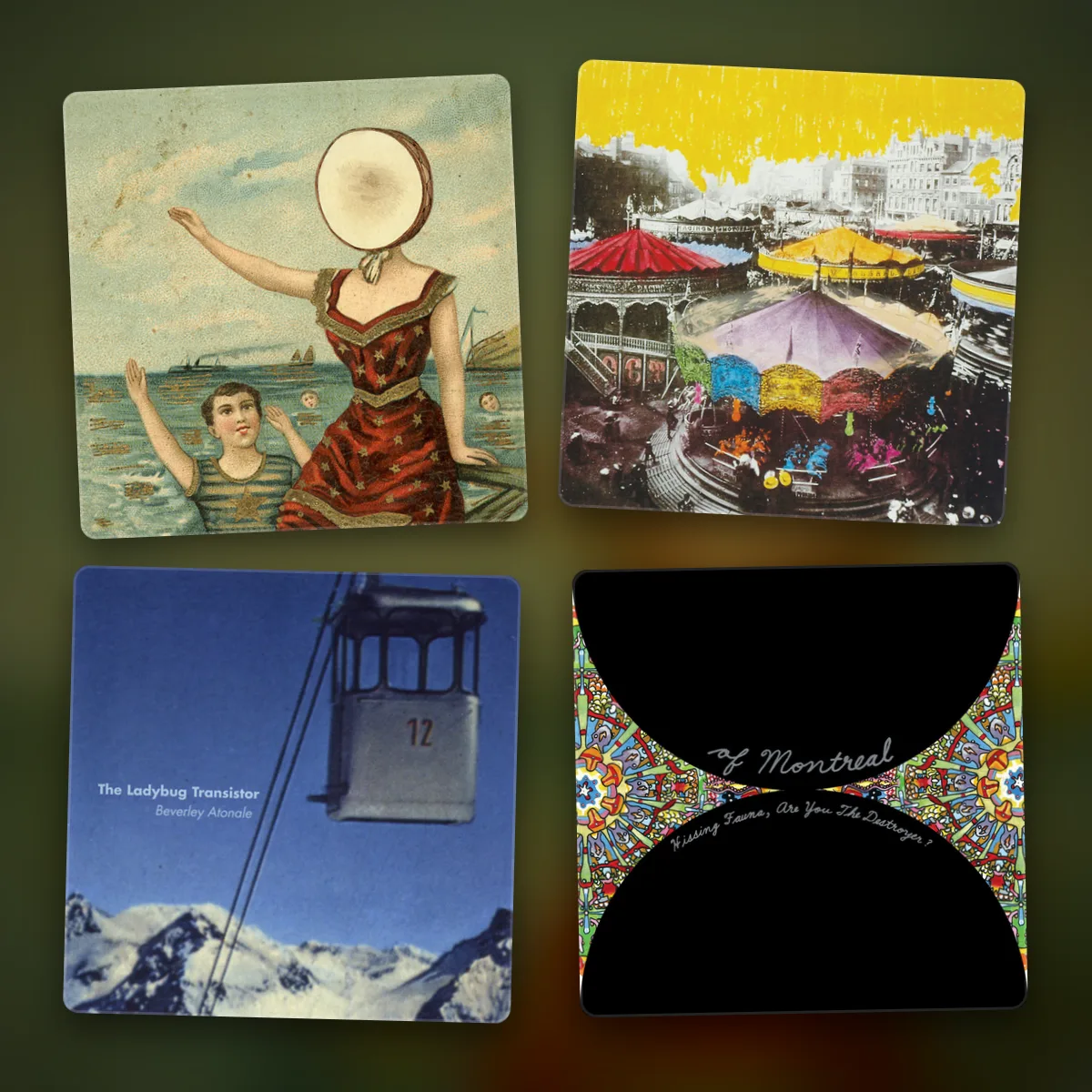
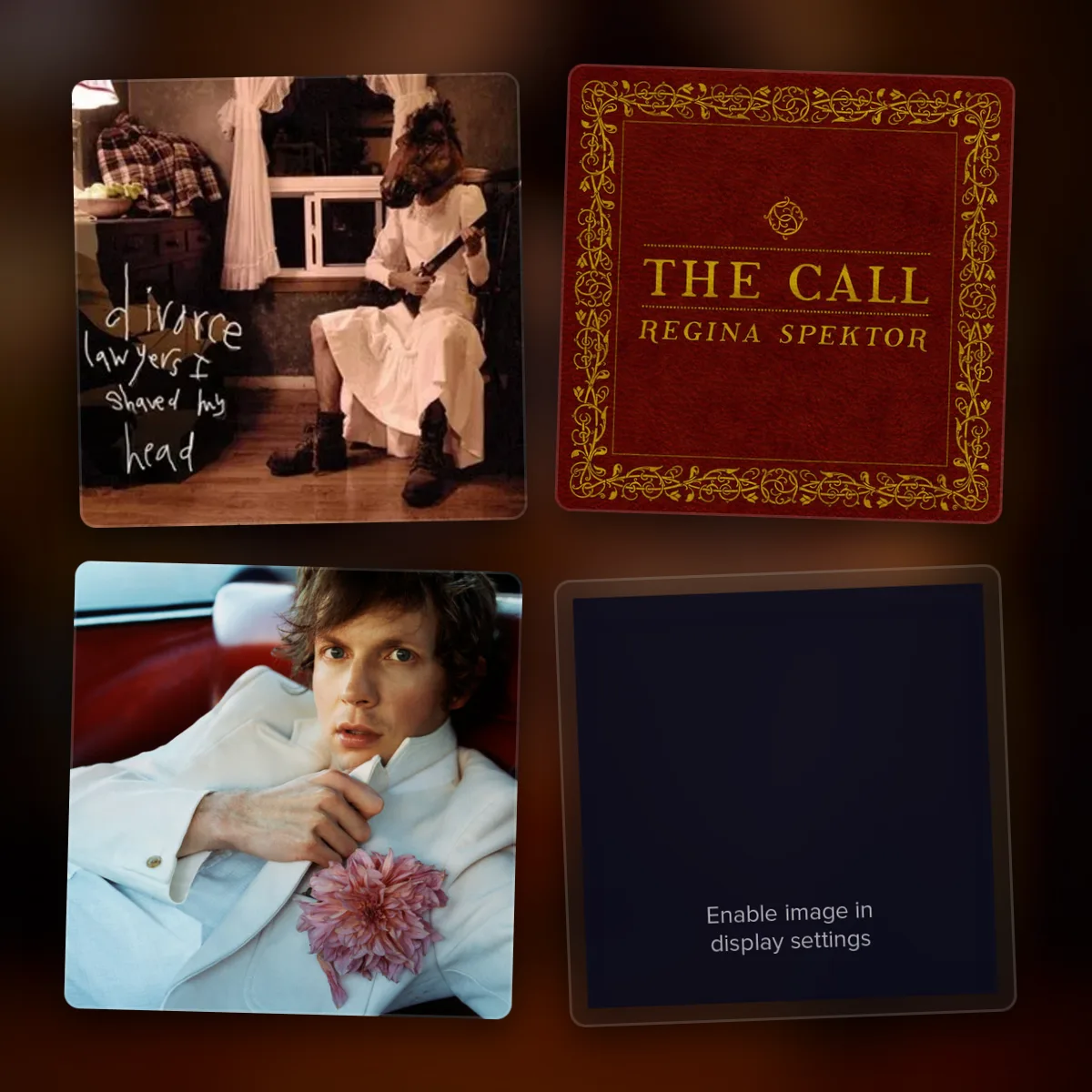
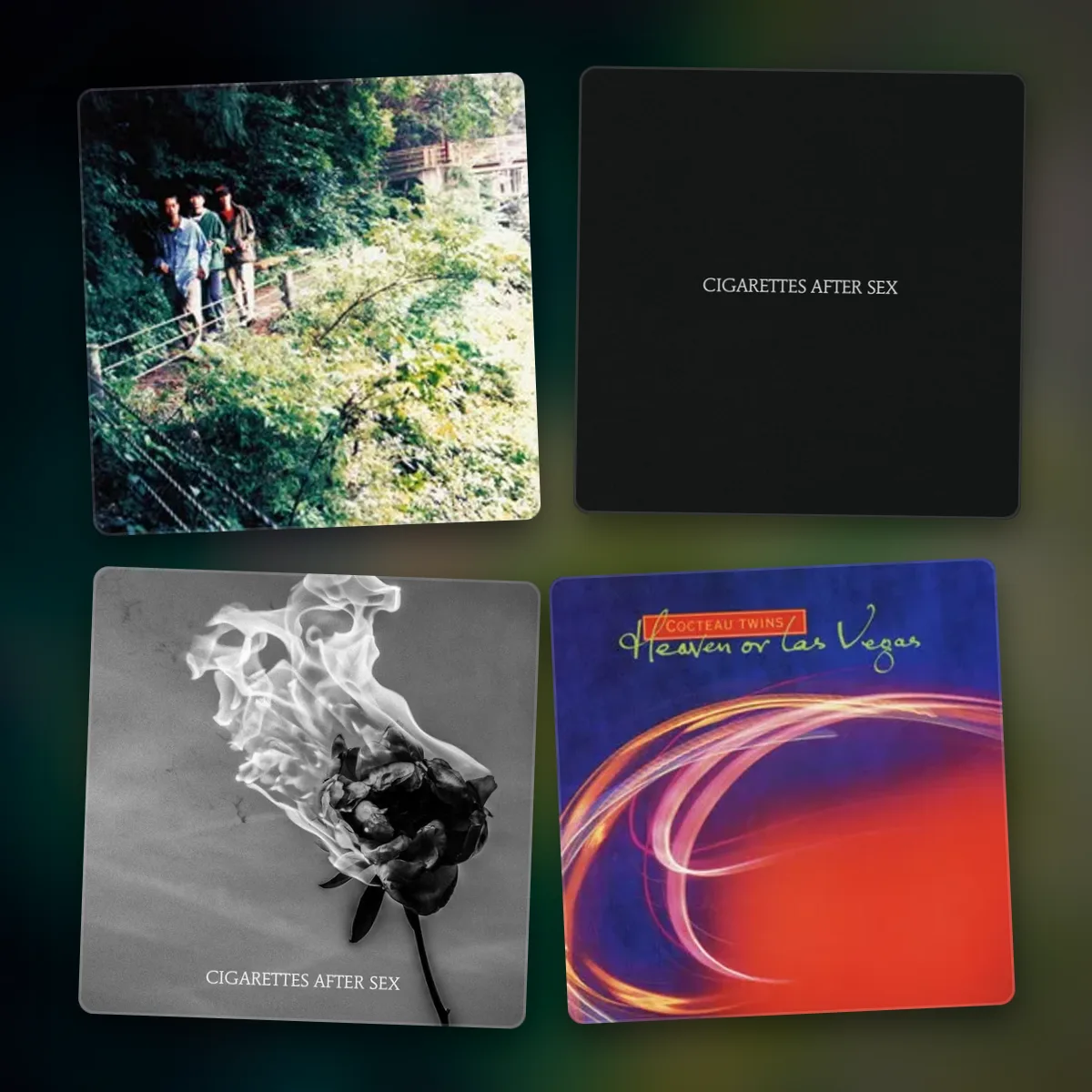
Top albums



Best playlists

Influenced by


Other similar genres
Genres sharing the most artists with Tape Club