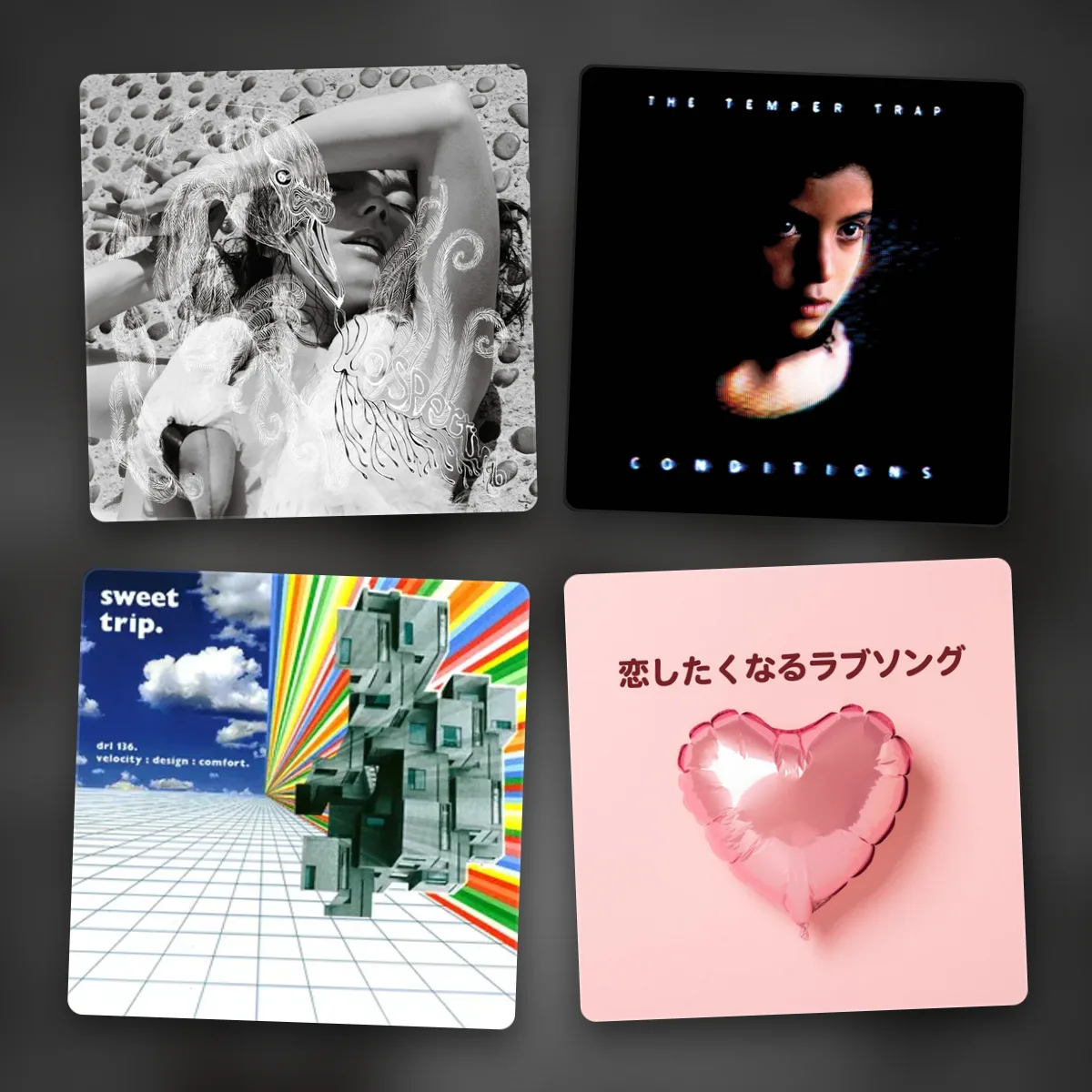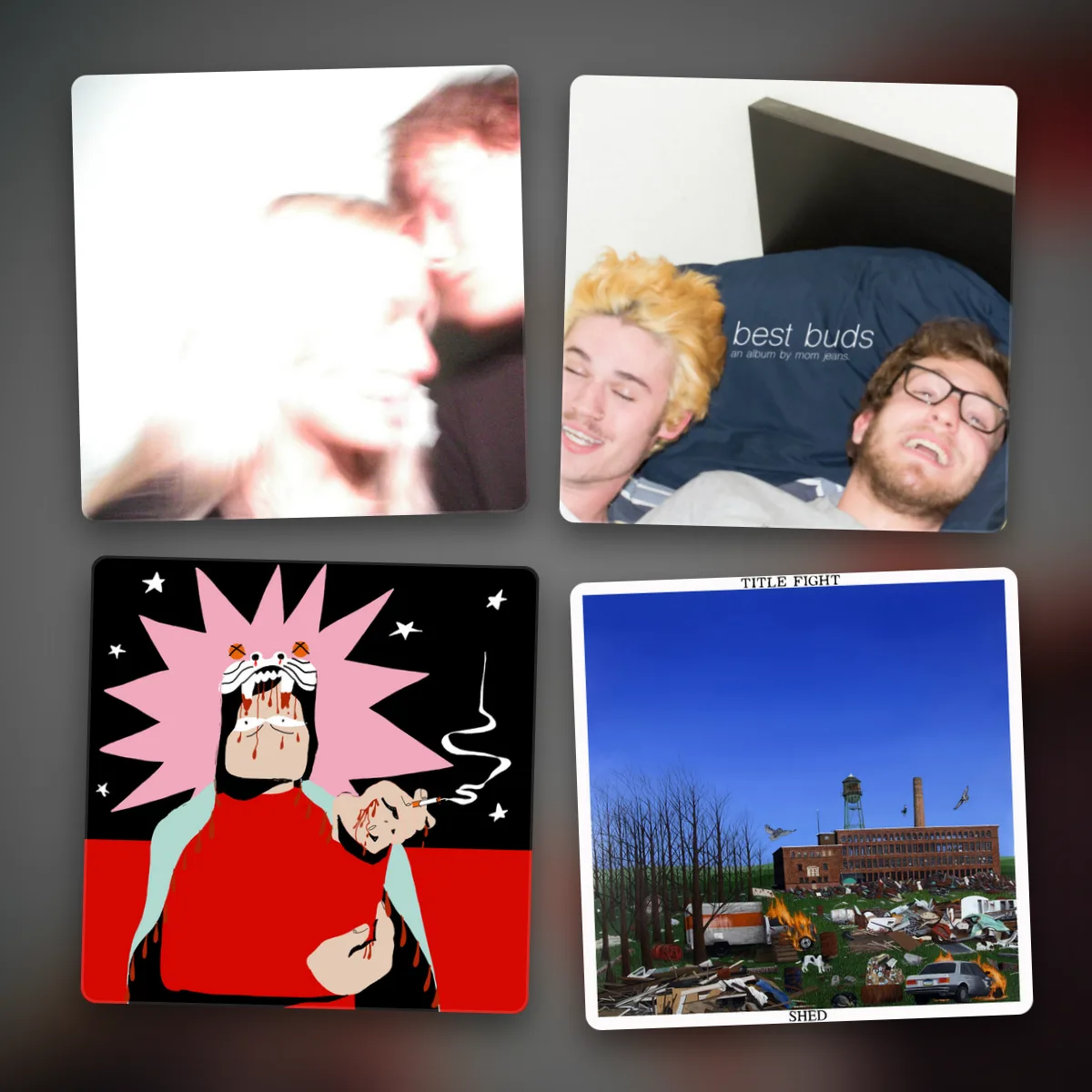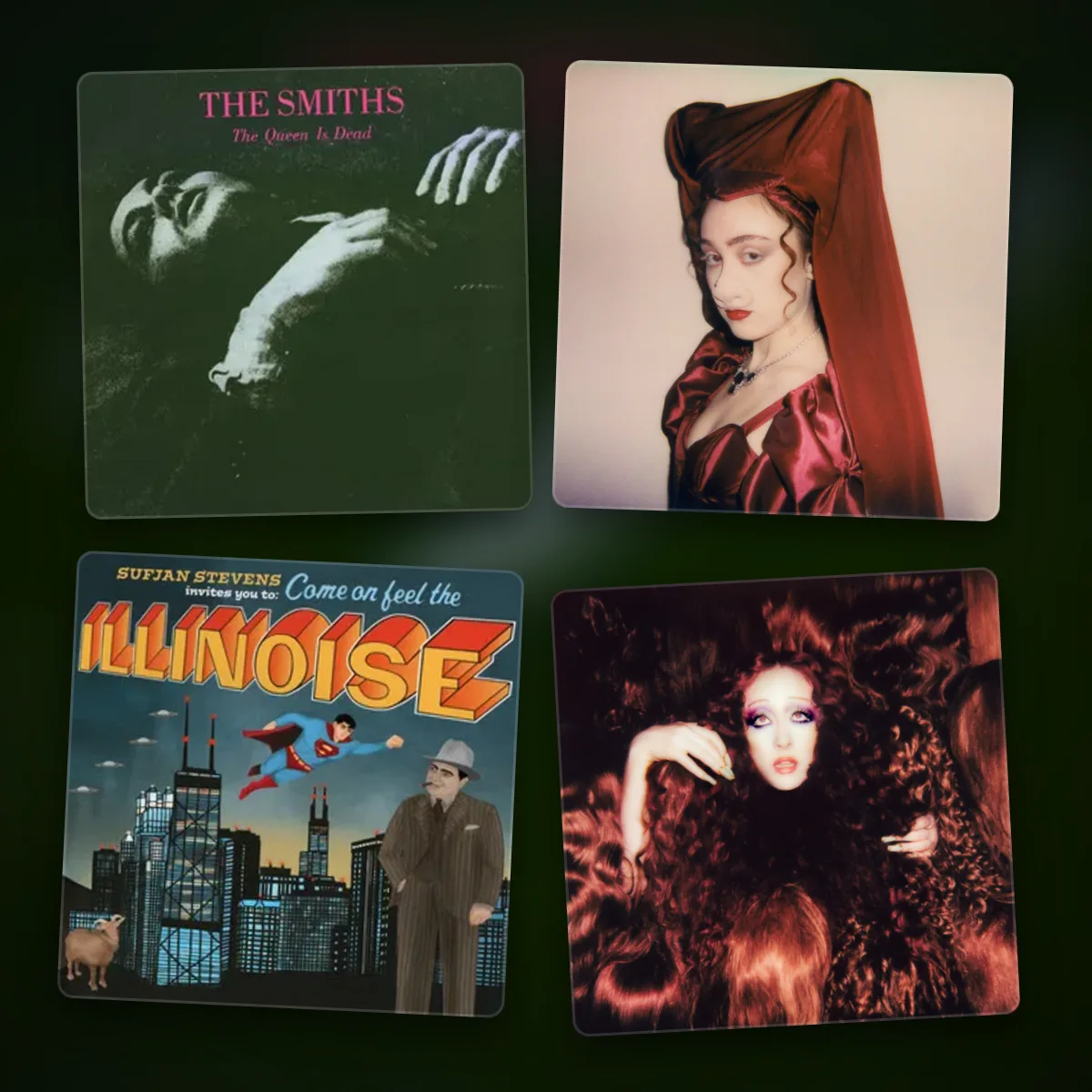
Description
Driving drums, catchy melodies and often overdriven guitars give pov: indie an energetic pop-rock sound, with vocals that can be raspy, strained or theatrical. The name occurs in Every Noise at Once, Spotify genre labels and The Sounds of Spotify’s playlist, but has attracted scant written discussion. Bass and drums anchor the songs with strong snare backbeats and active cymbals; piano, keyboards or synthesizers sometimes add color. The production often sounds wide and compressed, with punchy drums and vocals pushed to the front.
The music ranges from melodic indie pop and electronic-tinged pop-rock to more dramatic, hard-edged rock. Vocal lines are frequently supported by doubles or harmonies, and arrangements can build or change abruptly as drums enter, drop away or shift the groove. Straightforward, repeating chord progressions leave room for big, anthemic hooks as well as tense or defiant moods.
Its artists are also associated with bedroom pop, indietronica and midwest emo, connecting intimate songwriting and electronic textures with emotionally charged guitar music. The playlist’s songs are largely in English, and titles such as “Are You Bored Yet?”, “I Can’t Handle Change” and “I / Me / Myself” suggest a personal, conversational side alongside the larger arrangements. Many releases are from the late 2010s and early 2020s.
Based on: Every Noise at Once, Spotify's genre tags and playlist

What Does “Indie Music” Even Mean?
blustre

the true meaning of indie #shorts #indie #indieband #band #indiemusic
Divine Sweater

what is POV: INDIE!!?? #spotifywrapped2023 #denz #shorts
Denz Live
Start with a hook
Write a direct, memorable vocal melody over a simple or repeating chord progression. Take cues from indie pop’s melodic songwriting and bedroom pop’s personal, intimate approach; a conversational lyric can sit alongside a more theatrical delivery.
Build the band
Use bass, drum kit and electric guitars as the core. Give the drums a steady rock backbeat with prominent snare and active hi-hats, and try clean guitar against overdriven chords. Add piano, pads or synthesizers for the electronic color associated with indietronica.
Shape the dynamics
Move between thinner and fuller passages by bringing drums in or dropping instruments out. For a midwest emo touch, try an emotionally strained vocal and contrasts between softer and louder sections. Layer doubles or harmonies around the lead, then make the finished mix wide and punchy, with the voice clearly in front.