Description
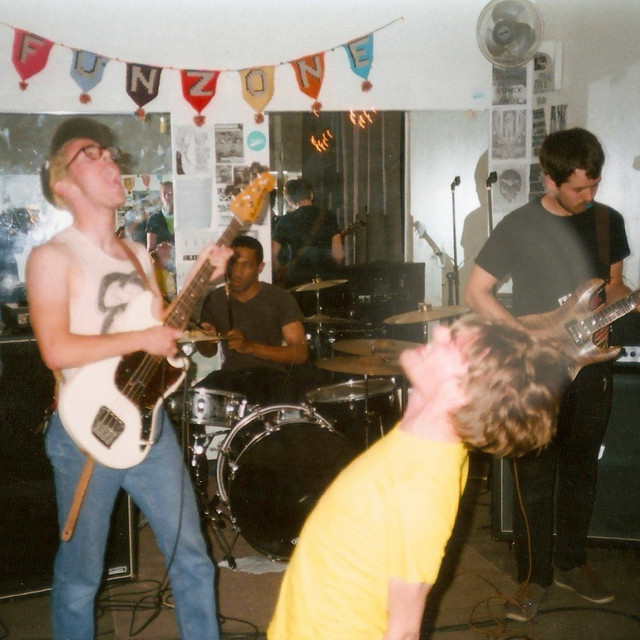
Skramz is a name for the DIY-rooted, more extreme form of screamo: emotionally charged music that pushes emo toward the intensity and disorder of hardcore punk. Its vocals are typically harsh and screamed, while energetic rock instrumentation can move between tension and cathartic release.
Songs are often brief and turbulent, with harmonized guitars and abrupt changes in tempo and dynamics. The style can also be introspective, balancing its abrasive sound with lyrics about personal relationships or politics. The term distinguishes this approach from broader uses of “screamo,” although some musicians associated with it dislike the label.
Based on: Wikipedia, stereogum.com, theringer.com, ktswblog.net

what is “post screamo”? #music
blustre

An Ignorant Guide to Screamo (Skramz)
Coolea

The truth behind Screamo and Post Hardcore | What's the difference?
Hinesypoo Music

What is Skramz? A Brief History & Analysis
The Music Narrative
History
Early development
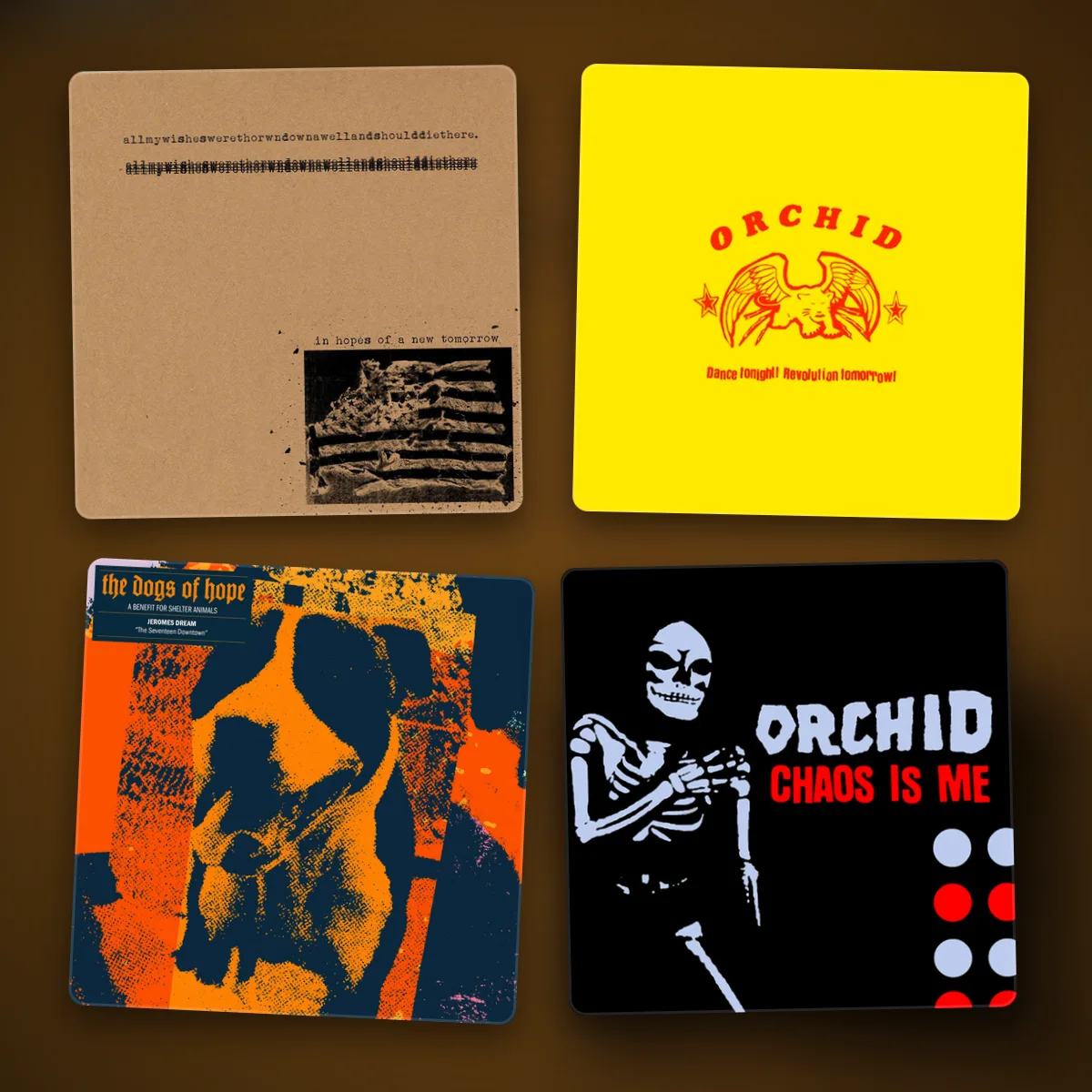
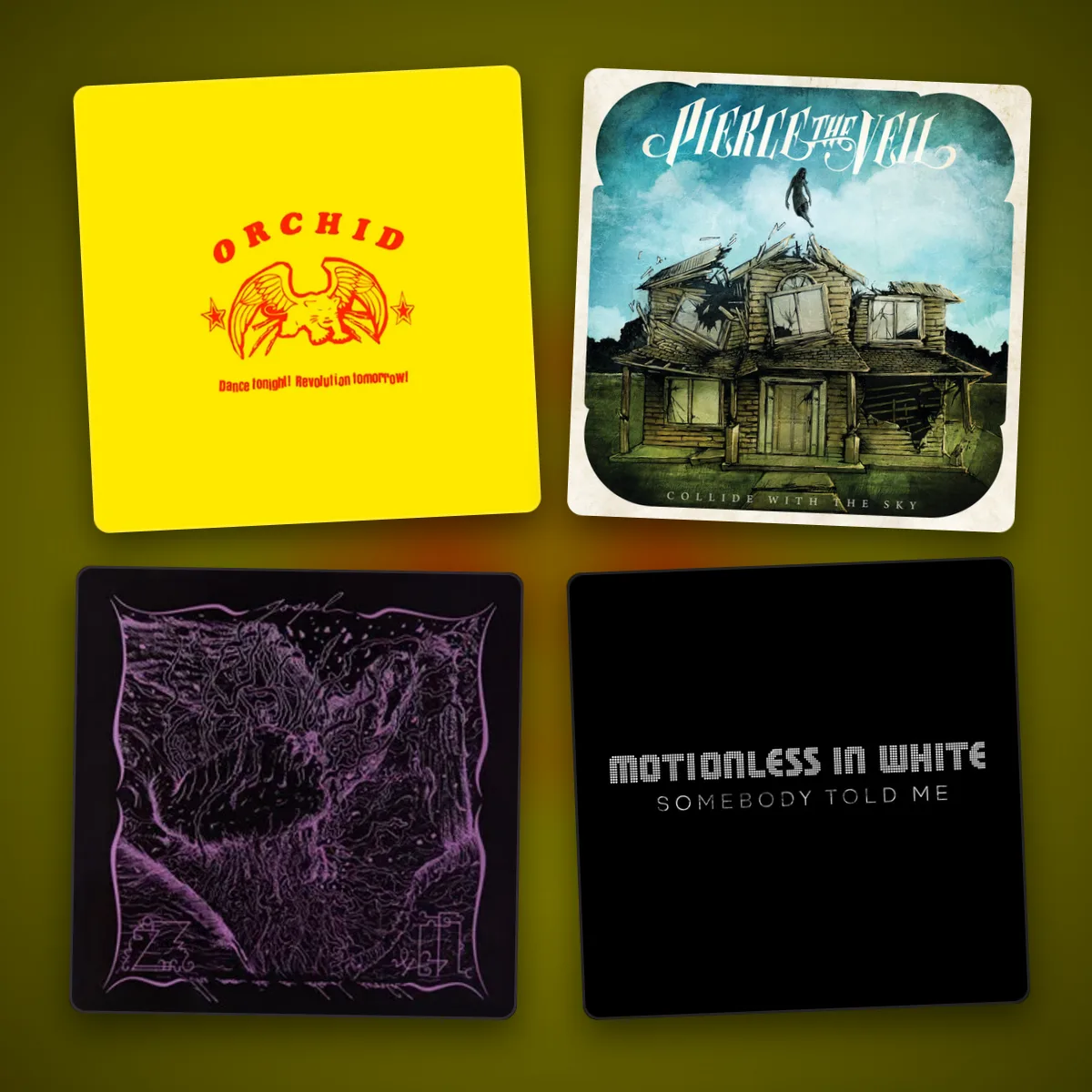
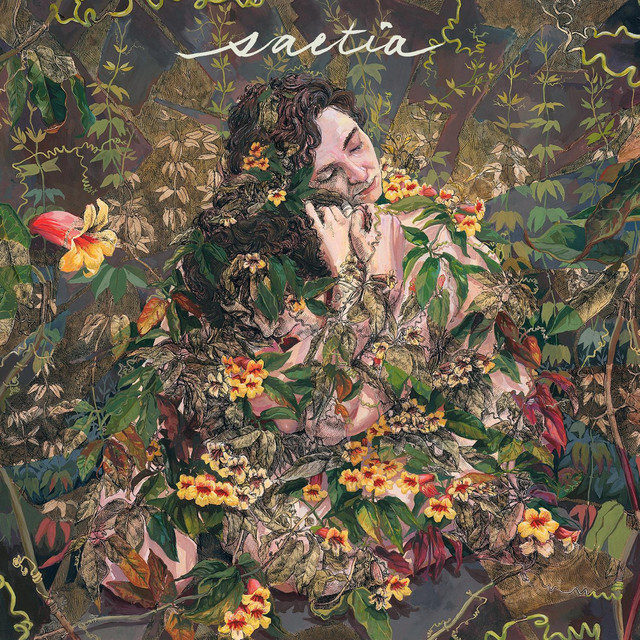
Around 1990, some bands began taking early emo in a more extreme and chaotic direction. Screamo took off in San Diego during the 1990s, while a primarily East Coast scene also developed. Massachusetts band Orchid was among the early groups moving from traditional hardcore toward a slower, more brutal screamo sound in the late 1990s; Pg. 99 and Saetia helped expand that scene.
Portraits Of Past has been described as arguably the first skramz band. The musicians associated with this approach drew on punk and hardcore backgrounds, including grind, powerviolence and youth crew, while developing a more introspective alternative to mosh-oriented hardcore.
The name and later generations
By the mid-2000s, fans were using “skramz” both as an inside joke and to distinguish the first wave from more mainstream successors. The label remains contested: several musicians associated with the style have said they dislike it even more than “screamo.”
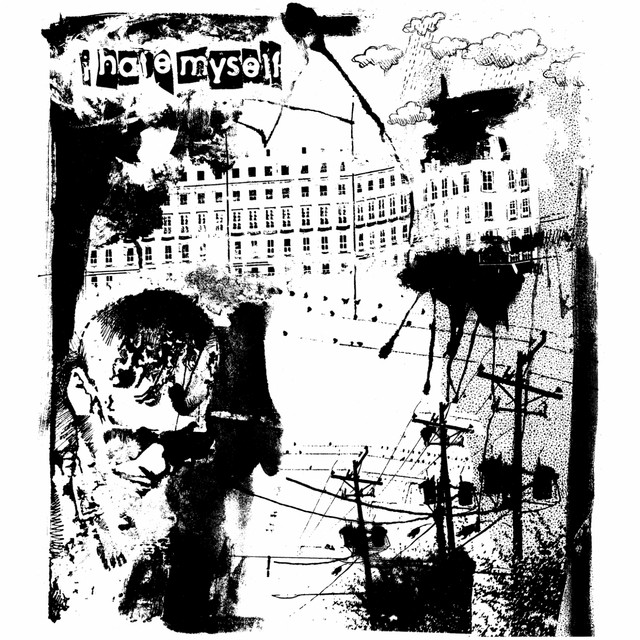
A later generation, including foxtails and I Hate Sex, brought its own approaches to the style. Skramz also experienced a revival in the 2020s, with some bands reaching listeners through social media.
Shape the dynamics
Build short, concentrated pieces around the contrast between restraint and release. Let a tense passage give way to a chaotic full-band section, and use changes in tempo and loudness to make the transitions feel consequential rather than merely decorative.
Arrange the instruments and voice
Start with a rock-band setup. Write guitar parts that can lock into forceful rhythmic figures, then add harmonized lines where they heighten the tension. Use harsh, impassioned screaming as a focal point, leaving room for the instruments to answer or intensify the vocal phrases.
Develop the material
For an emo-informed approach, you could begin with an introspective lyric or melodic idea and make its emotional shifts guide the arrangement. Drawing on hardcore practice, you could also rehearse abrupt changes as a band so that the music remains energetic and cohesive even at its most chaotic.
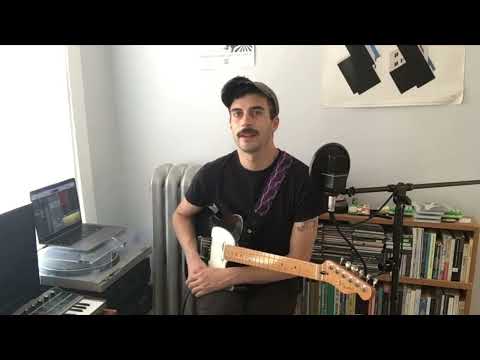
Improving Screamo/Post-Hardcore Progressions: Stop Thinking About Chords
Jam Econo

how to SCREAMO #screamo #tutorial #metal #vocallessons
Yung Scuff

How to Scream/Do Harsh Vocals for Post-Hardcore/Screamo with Iz Ferrari
Jam Econo

HOW TO SKRAMZ
OzzyIsDrunk

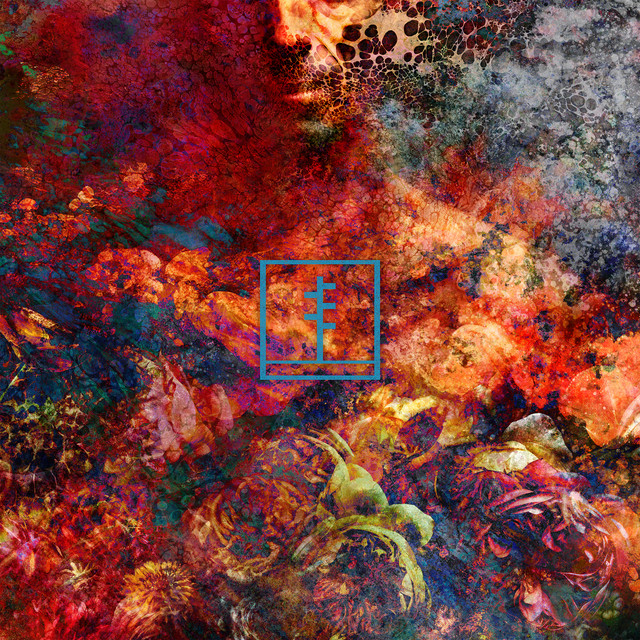
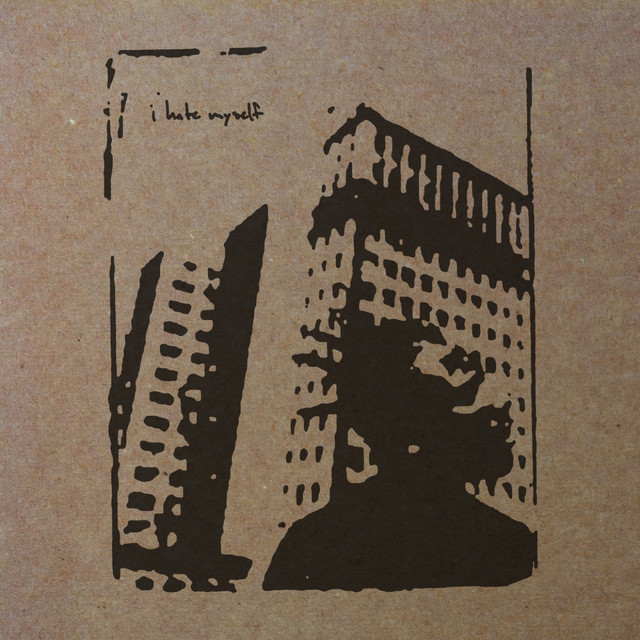
Top albums
Best playlists


Influenced by


Other similar genres
Genres sharing the most artists with Skramz