Description
Indie québécois often centers on intimate French-language singing, acoustic guitar or piano, and a slow to moderate pulse. The term is used by Every Noise at Once, Spotify’s artist genre labels, and the playlist “The Sound of Indie Québécois”, though published descriptions are scarce.
The music ranges from sparse acoustic ballads to gently rhythmic folk-pop. Fingerpicked or strummed guitar and piano chords give the songs movement; bass and soft acoustic drums fill out some arrangements, while others have no percussion. Ambient swells, synth pads or organ-like drones can add depth around the acoustic instruments. Repeating chords and flowing melodies support vocals that are often breathy and close, sometimes doubled or joined by harmonies. Warm studio production and reverb give even the quieter performances a spacious feel.
Much of the music has a melancholic, reflective or tender mood. Its artists are also associated with chanson québécoise and chanson française, traditions of French-language singer-songwriter music, as well as indie folk’s blend of acoustic instrumentation and indie-pop sensibility. Many track titles are in French, though English titles such as Beyries’ “The Pursuit of Happiness” and Matt Holubowski’s “My Burrow” are also part of the playlist. Its releases cluster mainly in the 2010s and early 2020s.
Based on: Every Noise at Once, Spotify's genre tags and playlist
Start with a song
Write a lyrical vocal melody over a repeating chord progression. Draw on chanson québécoise and chanson française for a French-language singer-songwriter approach, and on indie folk for an acoustic arrangement. A wistful or reflective mood is a useful starting point, though the harmony need not always be minor.
Build the arrangement
Try fingerpicked or lightly strummed acoustic guitar, or let piano chords and arpeggios carry the pulse. Keep the pace slow or moderate. Add bass and a gentle acoustic drum part for a folk-pop setting, or leave percussion out for a more exposed ballad. Subtle synth pads, organ-like drones or strings can add atmosphere without crowding the song.
Record the voice
Place the lead vocal prominently, with a soft, intimate delivery. Add doubled lines or harmonies where they deepen the melody, and use reverb to give the warm, otherwise clear mix a sense of space.

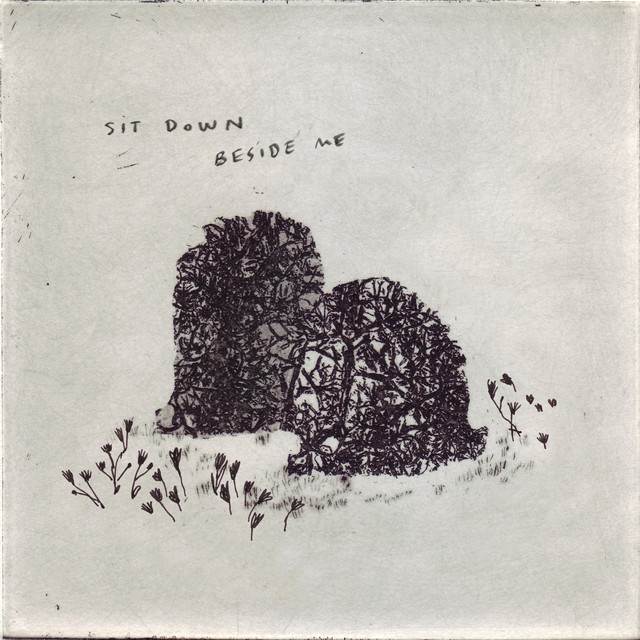
Top albums








Best playlists


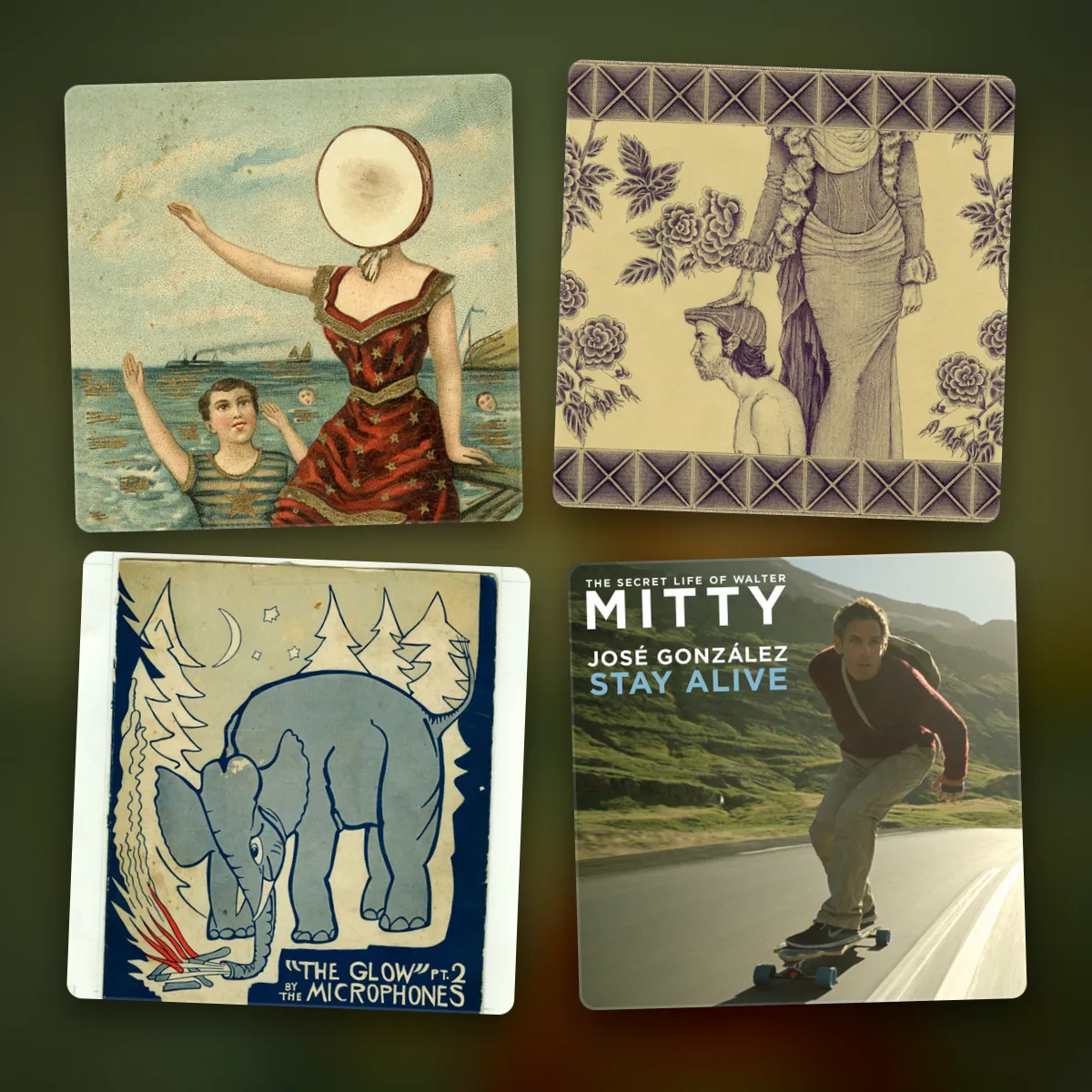
Influenced by
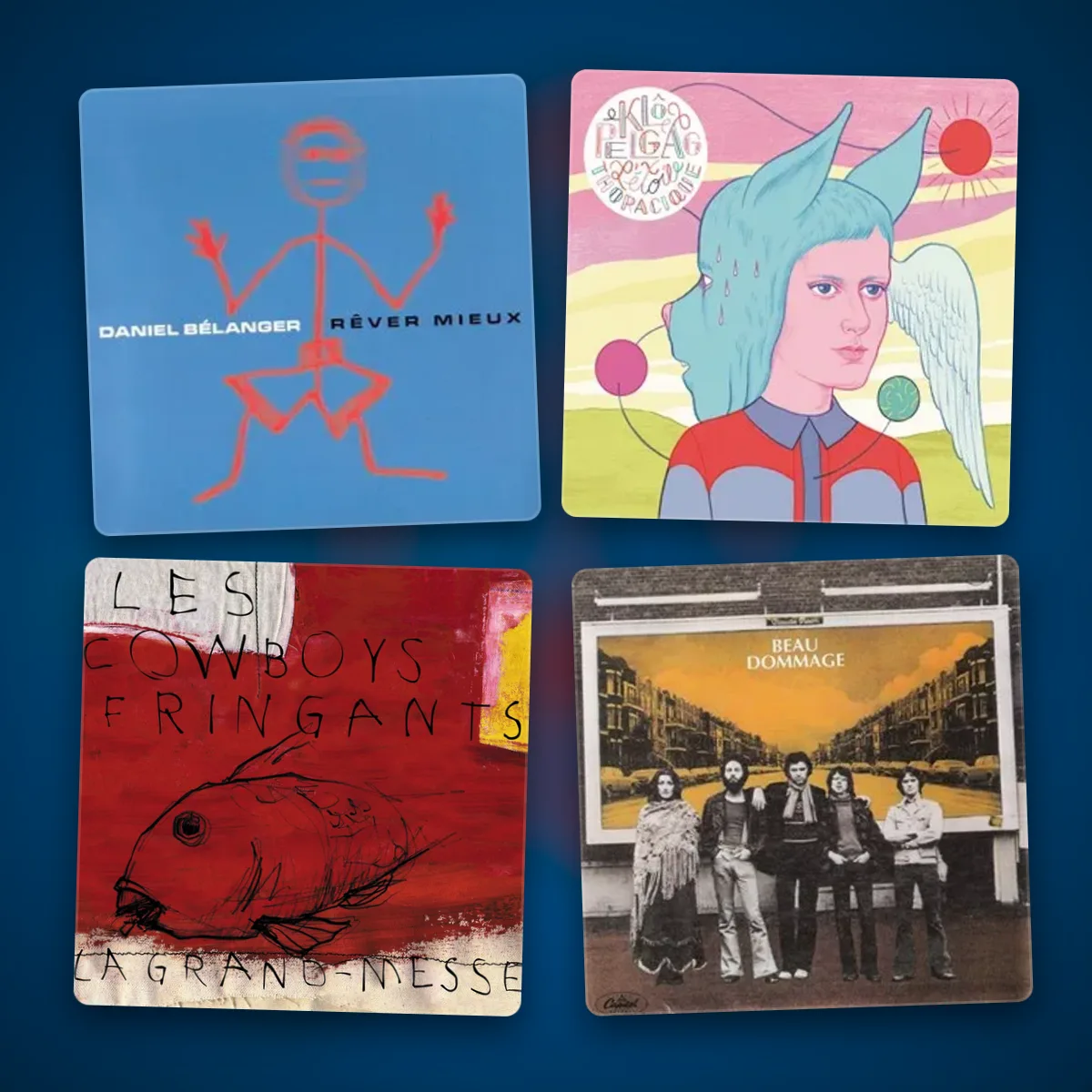
Other similar genres
Genres sharing the most artists with Indie Québécois