Description
Distorted electric guitars, bass and hard-driving drums give rock québécois much of its punch, while French-language voices push to the front of the mix. The term is used in Spotify genre labels and Every Noise at Once, with scant written commentary about it.
The music ranges from fast, punk-inflected rock to slower, heavy and melodic songs. Riffs and power chords often ride a strong snare backbeat, with some songs using abrupt stop-and-go breaks. Vocals can be raw and shouted or rise into passionate, tuneful hooks, sometimes supported by harmonies or group shouts. Recordings range from dry and rough-edged to fuller, more polished productions; keyboards also add color to some songs.
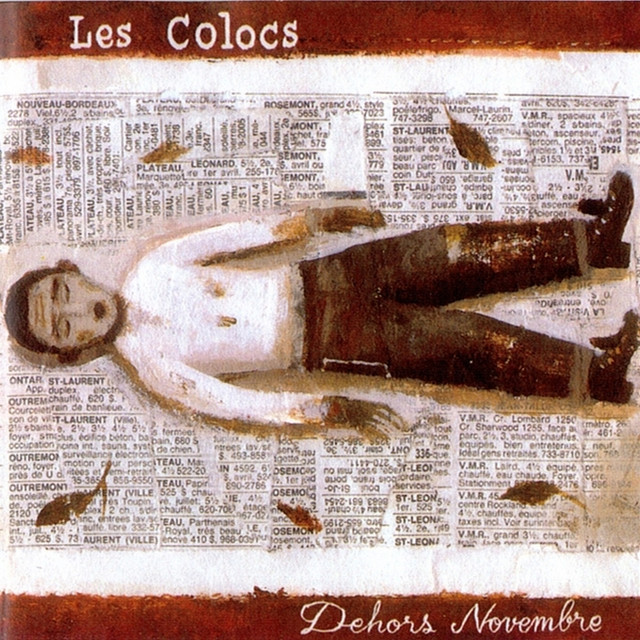
Its artists are also associated with punk and chanson québécoise, bringing together the force of guitar rock and the French-language singer-songwriter tradition. French predominates in the playlist’s titles, which often use conversational phrasing. Much of the playlist dates from the late 1990s and 2000s, with songs by artists including Les Colocs, Les Trois Accords and Jean Leloup.
Based on: Every Noise at Once, Spotify's genre tags and playlist

Le premier groupe de rock québécois !
Jayson Duval
Build the band sound
Start with distorted electric guitar, bass and an acoustic drum kit. Use power-chord riffs over a firm snare backbeat; for a faster, punk-influenced approach, keep the cymbals busy and try short stop-and-go breaks. A slower song can use a heavy, steady pulse and more open guitar chords.
Write and arrange the vocal
Draw on chanson québécoise for French-language songwriting and put the lead voice prominently in the mix. Try a gritty, forceful delivery for an urgent song, or a sustained melodic hook for a more dramatic one. Add harmonized backing vocals or group shouts where they strengthen the refrain.
Shape the production
Keep the guitars and drums punchy. A dry, rough-edged mix suits the punk end of the sound, while a fuller studio arrangement can support a more melodic rock song. Piano or organ can add texture without displacing the core band.

Playing Angine de Poitrine... Homemade Microtonal Guitar?!
Chicago Music Exchange

How do Angine de Poitrine make two people sound this huge?
Stuart Stuart - Producer

Top albums

Best playlists


Influenced by

Other similar genres
Genres sharing the most artists with Rock Quebecois