Description
Expressive Spanish-language singing and melodic acoustic guitar are common threads in latin indie, a Latin American indie-pop and indie-rock grouping whose name comes from Spotify’s genre labels on artists and has scant written coverage. The music ranges from guitar-led pop-rock and intimate acoustic ballads to bolero-style songs and electronic pop with dance rhythms.
Songs often move at a slow or mid-tempo pace, though some have a faster, driving pulse. Acoustic and electric guitars sit alongside bass, drum kits, drum machines or atmospheric synthesizers. Vocals can be breathy or full and soaring, sometimes supported by harmonies; spacious reverb and warm, polished production are frequent features. The mood is often romantic or gently melancholic, with titles such as “Tu Falta De Querer,” “Disfruto” and “Fuentes de Ortiz” suggesting love, longing and emotional reflection.
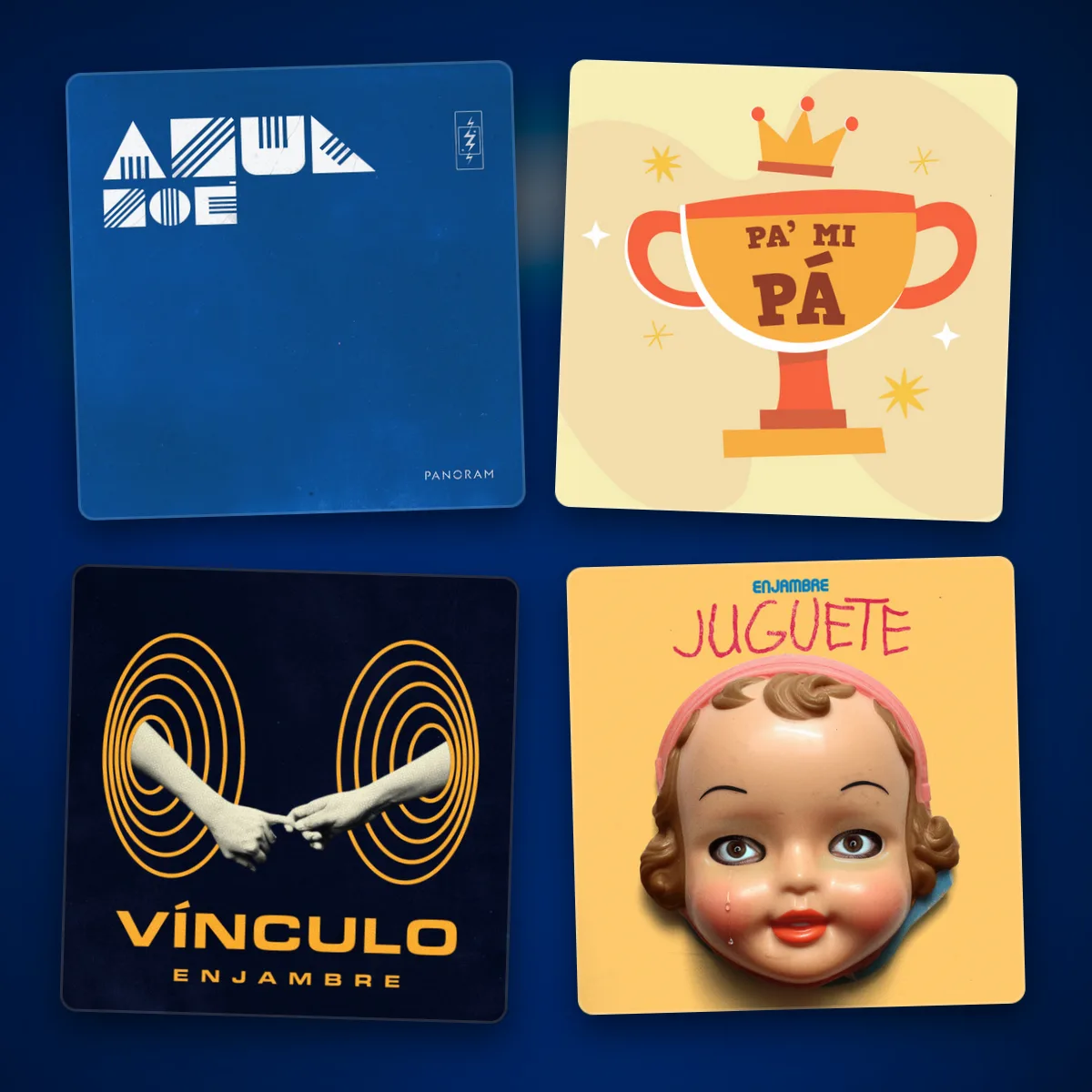
The music sits close to latin alternative and latin rock, where rock arrangements meet Latin American rhythmic traditions, as well as the intimate balladry of bolero. Artists associated with the grouping include Zoé, Natalia Lafourcade, Carla Morrison and Ed Maverick.
Based on: Spotify's genre tags and playlist
Start with a song
Write an expressive vocal melody in Spanish over a tonal chord progression. Use acoustic guitar as the core, either strummed or picked, and let the vocal carry a romantic, reflective or yearning mood.
Build the arrangement
For a latin alternative or latin rock setting, add electric bass, drums and electric guitar around the acoustic part. For a quieter bolero-inspired song, use a swaying rhythm and give the melody room to breathe. An electropop approach can replace or supplement the band with a drum machine, synth bass and atmospheric pads.
Shape the sound
Keep the lead vocal prominent and try backing harmonies on key phrases. Warm production and spacious vocal reverb can give the arrangement polish; vary the pace from a relaxed ballad to a more driving groove to suit the song.

Top albums





Best playlists

Influenced by


Other similar genres
Genres sharing the most artists with Latin Indie