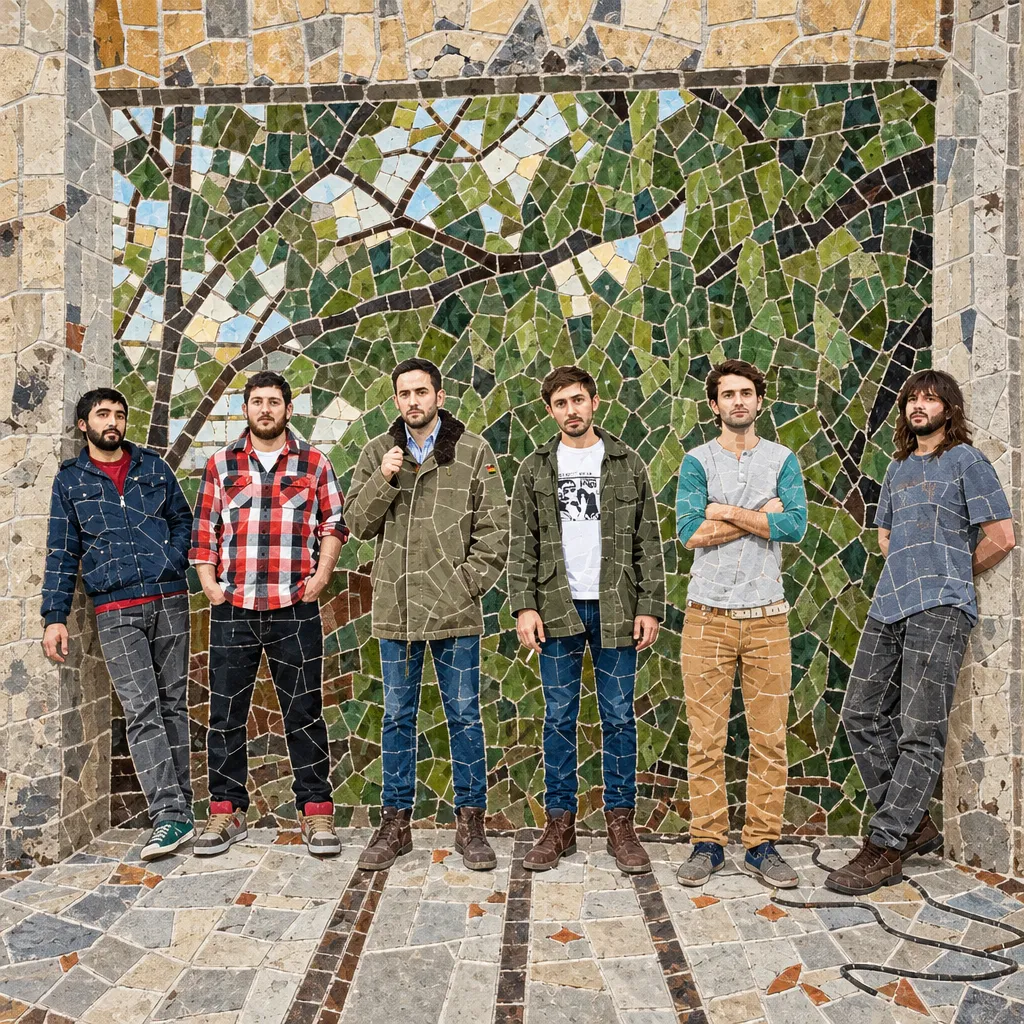
Description
Manso indie is a name for the independent music scene associated with Mendoza, Argentina. Rather than prescribing a single sound, it brings together artists whose music connects a local, mountain-region identity with contemporary international sounds.
The scene is characterized as much by collaboration and self-management as by a shared musical style. Its range includes beat-driven and groove-oriented approaches, but no one instrumental lineup or songwriting formula defines all of its artists.
Based on: indiehoy.com, losandes.com.ar, eldiarioar.com, radiou.uncuyo.edu.ar
More on: Every Noise at Once
History
A name for the Mendoza scene
The label is associated with journalist Yumber Vera Rojas. One account places its first appearance in an article in 2013; another dates its coinage to 2014 in Mendoza’s Parque San Martín. The word “manso” plays on a local expression of approval as well as an association with the tranquillity of the Cuyo region.
A growing independent network
Mi Amigo Invencible was part of a pioneering generation of Mendoza indie artists that developed ties between musicians in Buenos Aires and their peers in Cuyo. Mariano Di Césare of Mi Amigo Invencible also helped establish self-management as a response to a shortage of venues for the scene’s music.
The scene encompassed artists including Mariana Päraway, Le Confession Club and Faauna. A later generation gained wider attention: in 2017, Usted Señálemelo, Perras on the Beach and Las Cosas Que Pasan played a sold-out show together at Niceto Club in Buenos Aires.
Start with the scene’s openness
Think of manso indie as a broad independent scene rather than a fixed recipe. Aim for a personal sound that can draw on contemporary music while retaining a sense of local character. Collaboration is a useful starting point: develop an arrangement with other musicians and leave room for their ideas to change the song.
Build an indie-rock arrangement
As a practical approach drawn from indie rock, you could start with a vocal melody and a repeating guitar, keyboard or bass figure, then add drums to support the song. Experiment with the relationship between the bass and percussion if you want a groove-oriented result, or use a more prominent beat as the track’s organizing feature.
Shape the production
Try contrasting a sparse section with a fuller ensemble passage, and adjust the texture until the arrangement feels distinctive rather than tied to a formula. Independent production can also be collaborative: record, revise and arrange with the musicians involved instead of treating the first version as final.

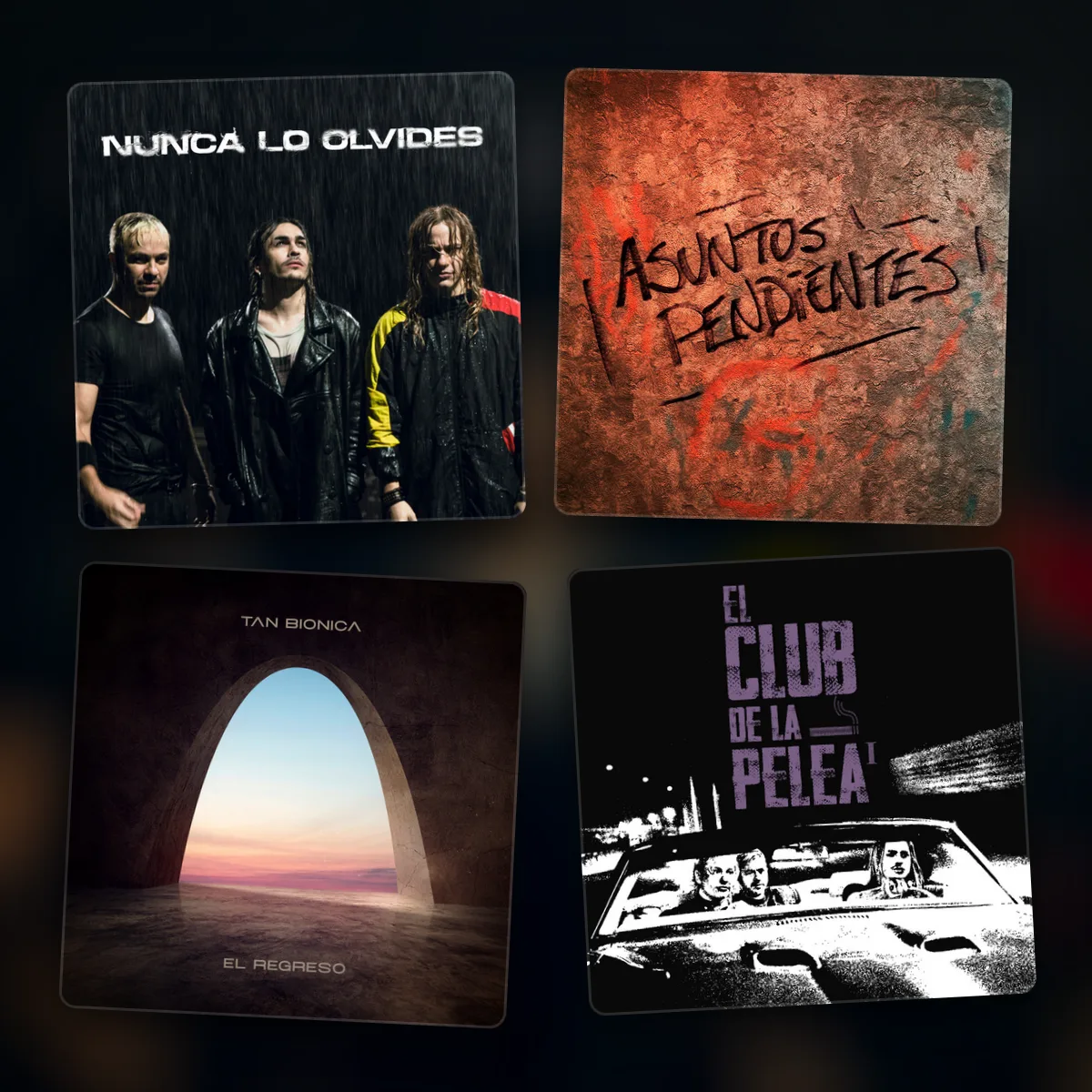
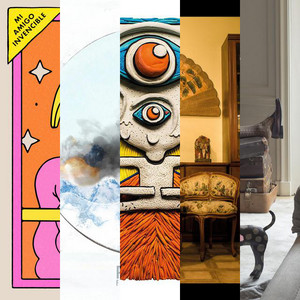
Top albums
Best playlists

Other similar genres
Genres sharing the most artists with Manso Indie