Description
Latin rap (often called Latin hip‑hop) is hip‑hop recorded by Spanish‑speaking artists across the Americas and Spain. While many performers switch fluidly between Spanish and English (Spanglish), the idiom is primarily voiced in Spanish and draws overtly on Hispanic and Latin American musical vocabularies.
Stylistically it keeps core hip‑hop elements—MCing, DJing/beatmaking, breakbeats, and sampling—while mixing in Afro‑Latin rhythms, song forms, and instrumentation. You’ll often hear salsa or cumbia samples, congas, timbales, or palmas alongside boom‑bap or West Coast grooves, and hooks crafted as chant‑like coros. Lyrically, Latin rap spotlights barrio life, migration, identity, and social critique, but also party and dance themes aligned with broader urbano culture.
More on: Wikipedia, Rate Your Music, Every Noise at Once, Wikidata
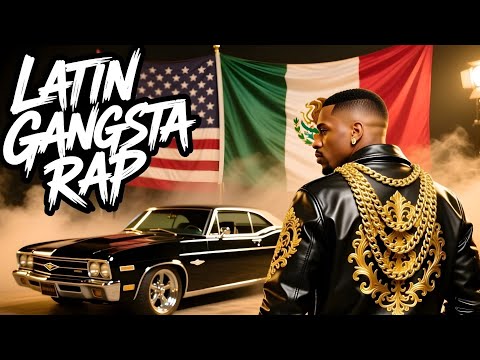
🚨 LATIN GANGSTA RAP 2025: NARCOTRAP LATINO, LUJO, CALLE Y LEALTAD EN CADA BARRA 💎
Latin Gangsta Rap
History
Origins (1980s)
Latin rap emerged as Spanish‑speaking communities in the United States and the Caribbean localized hip‑hop culture. Early recordings and park‑jam performances in Los Angeles, New York, and San Juan introduced Spanish verses over b‑boy breakbeats. Pioneers like Mellow Man Ace and Kid Frost brought Chicano and Caribbean perspectives, often code‑switching between English and Spanish.
Breakout and Continental Spread (1990s)
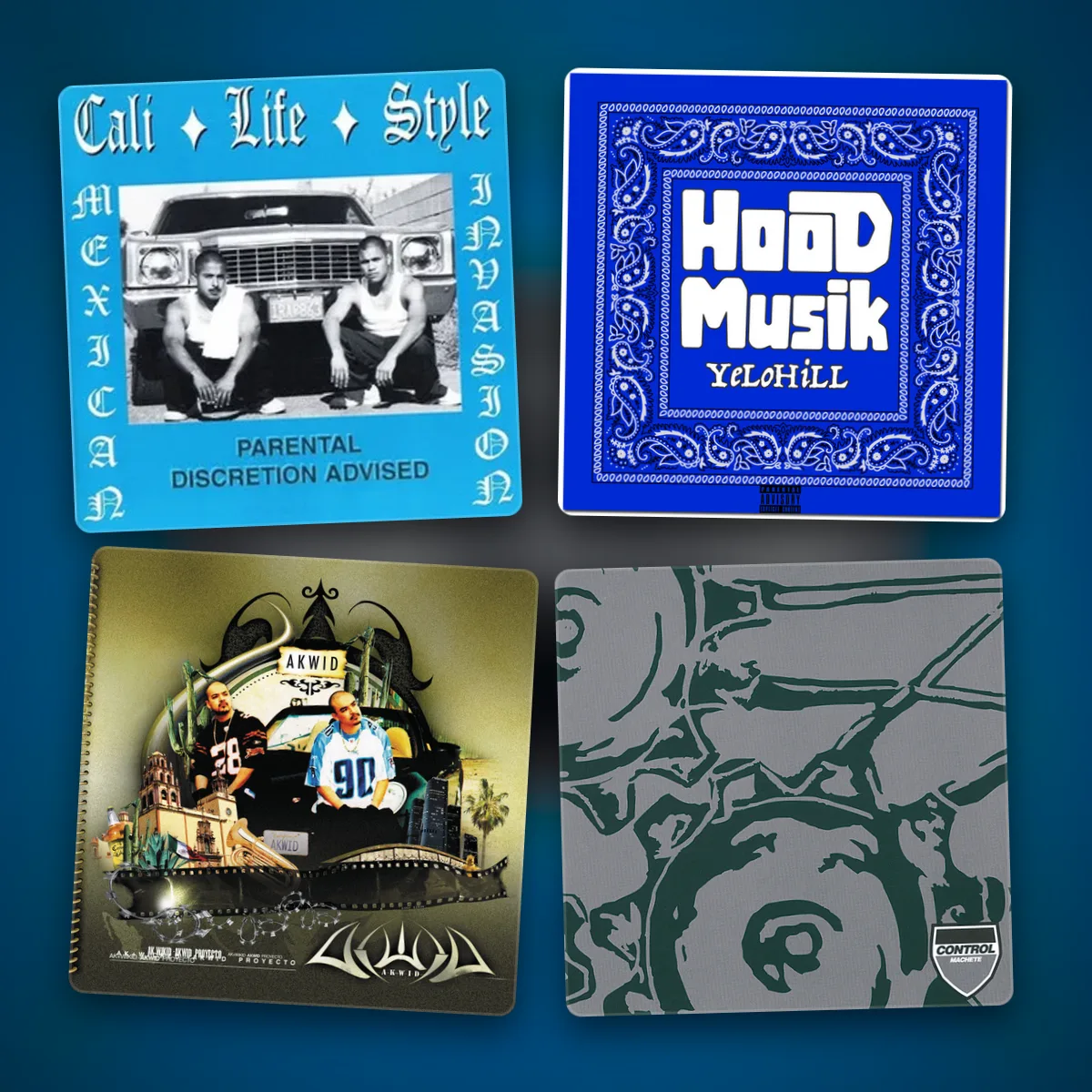
The 1990s delivered the first mainstream breakthroughs. Kid Frost’s "La Raza" (1990) and Cypress Hill’s bilingual hits put Latino identity at the center of U.S. hip‑hop visibility. In Puerto Rico, Vico C became a foundational voice, while Mexico’s Control Machete and Cuba’s Orishas anchored burgeoning national scenes. Producers began sampling salsa piano montunos, cumbia grooves, and bolero lines, folding them into boom‑bap and G‑funk frameworks.
2000s–2010s: Fusion and Global Reach
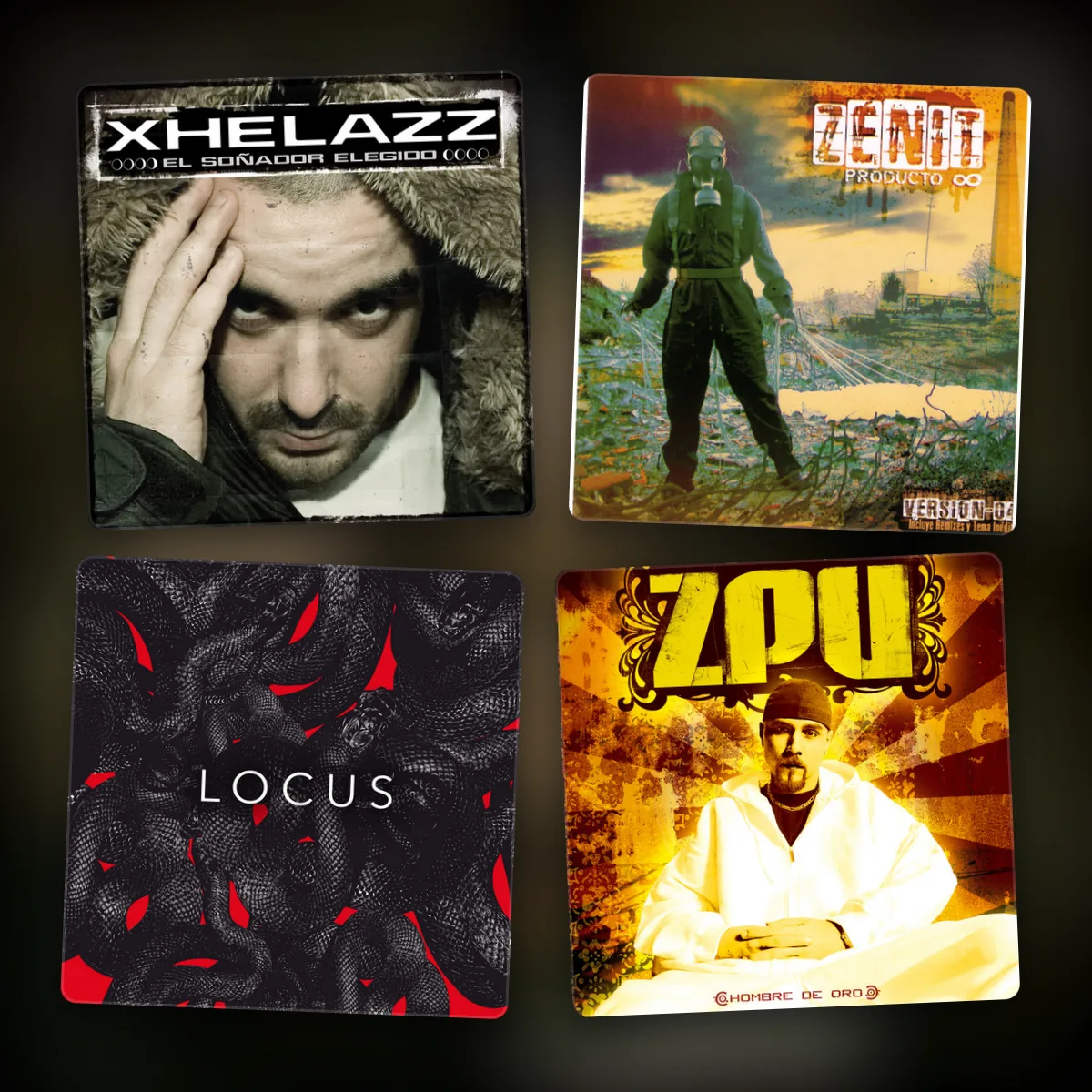
As urbano tightened its grip on charts, Latin rap interfaced with dancehall and reggaetón (itself indebted to hip‑hop), and with Spanish hip‑hop in Spain (Kase.O, Nach). Acts like Calle 13/Residente and Ana Tijoux blended sharp social commentary with pan‑Latin musical palettes, broadening festival and media exposure across Europe and Latin America. Digital platforms enabled cross‑border collaborations, pushing stylistic hybridity.
Streaming Era to Present
In the 2010s–2020s, Latin rap thrives within a wider urbano ecosystem that includes trap en español and reggaetón, while retaining a distinct emphasis on rap technique and Spanish lyricism. Scenes in Mexico, Puerto Rico, Spain, Chile, Argentina, and the U.S. continually exchange talent and aesthetics, sustaining a transnational network of producers, MCs, and audiences.
Core Beat and Tempo
• Start with hip‑hop foundations: 85–100 BPM boom‑bap or 90s West Coast swing; for modern aesthetics, halftime trap feels at 65–75 BPM (130–150 BPM grid).
• Layer Afro‑Latin percussion thoughtfully: congas, timbales, bongos, palmas, guiro, or cowbell. Use the clave (2‑3 or 3‑2) as a guiding grid so kicks/snares converse with the tumbao.
Harmony, Melody, and Sampling
• Sample or replay short phrases from salsa (piano montuno, brass riffs), cumbia (accordion/gaita motifs), bolero, or Latin soul. Keep samples harmonically loopable (often minor modes) and rhythmically syncopated.
• Complement with bass lines that lock to the tumbao; try call‑and‑response horn stabs or coro hooks for memorable refrains.
Flow and Language
• Write primarily in Spanish and feel free to code‑switch (Spanglish) for punchlines or cultural markers.
• Favor clear, percussive diction and syncopated cadences that can sit against a clave‑aware rhythm section. Alternate dense multisyllabic rhyme schemes with chant‑like coros.
Song Form and Arrangement
• Common structure: Intro (4–8 bars), Verse (16 bars), Hook (8 bars), Verse/Hook cycles, Optional puente/bridge, Outro.
• Use DJ cuts, scratches, or short pregones to set scenes and transition between sections.
Production and Mix Tips
• Let kick/snare stability drive the groove; tuck Latin percussion to enhance swing without overcrowding.
• Sidechain bass subtly to the kick; brighten coros and brass/strings for hook impact.
• Preserve dynamic contrast between verses (drier, lyric‑forward) and hooks (wider stereo, added percussion or horns).
Lyrical Themes and Delivery
• Center identity, community, migration, resilience, and social critique; balance with celebratory and dance‑oriented tracks.
• Aim for engaging storytelling, regional slang authenticity, and crowd‑ready hooks that translate across borders.

Latin Trap Beat - "El Capo" Latin Rap Instrumental 2019 - Latin Music (Uness Beatz)
Uness Beatz

How to Make a Latin R&B Trap Song #shorts
BeatDemons Beats

Top albums




Best playlists
Latin Rap
Melodigging

The Sound of Rap Latina
Every Noise at Once
Rap Latina
Chosic
Latín rap
Aiden Morteo

🔥 Rap & Hip-Hop Latino Mix | Molotov, Plastilina Mosh, Control Machete #hiphoplatino #raplatino
DJ Páez de México
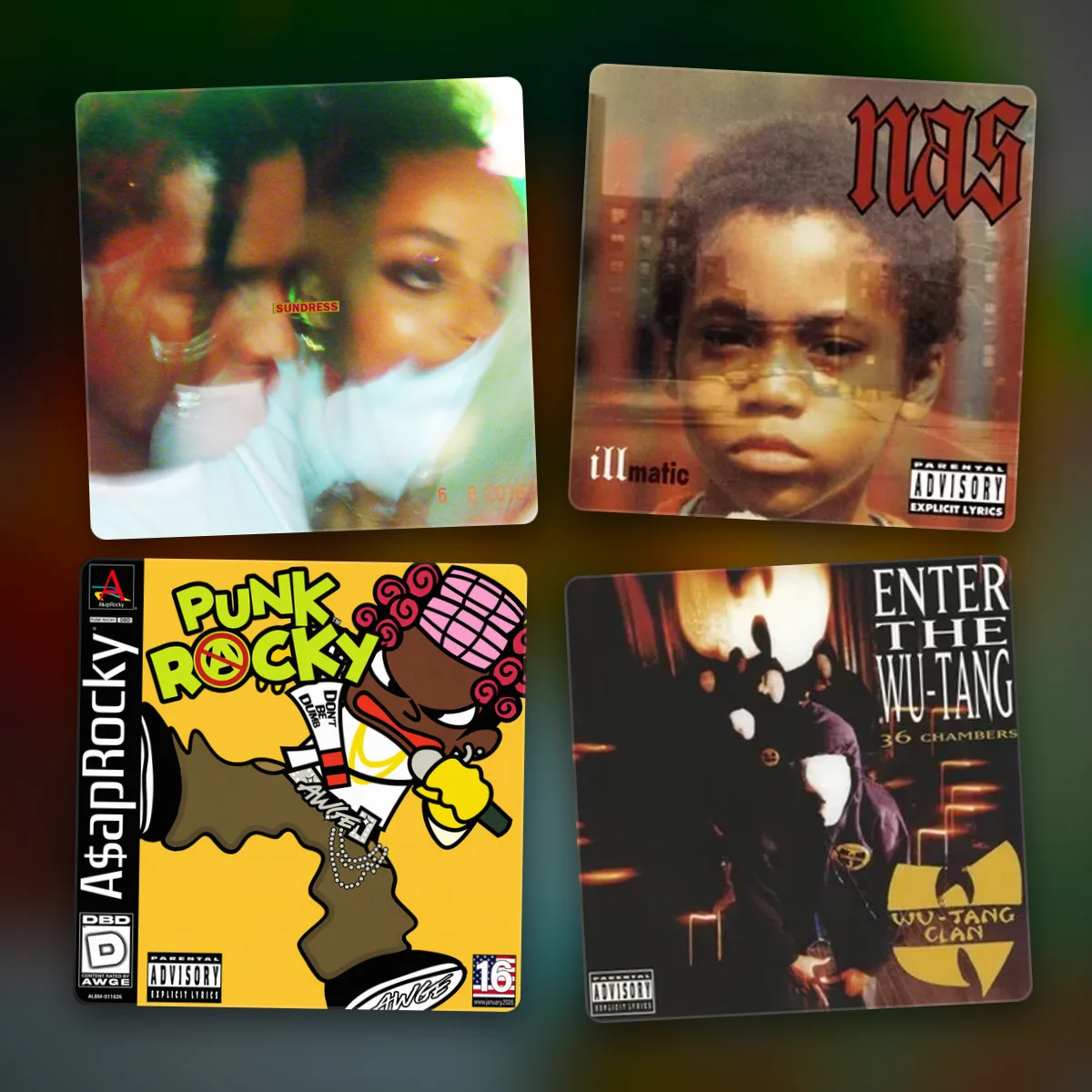
Influenced by


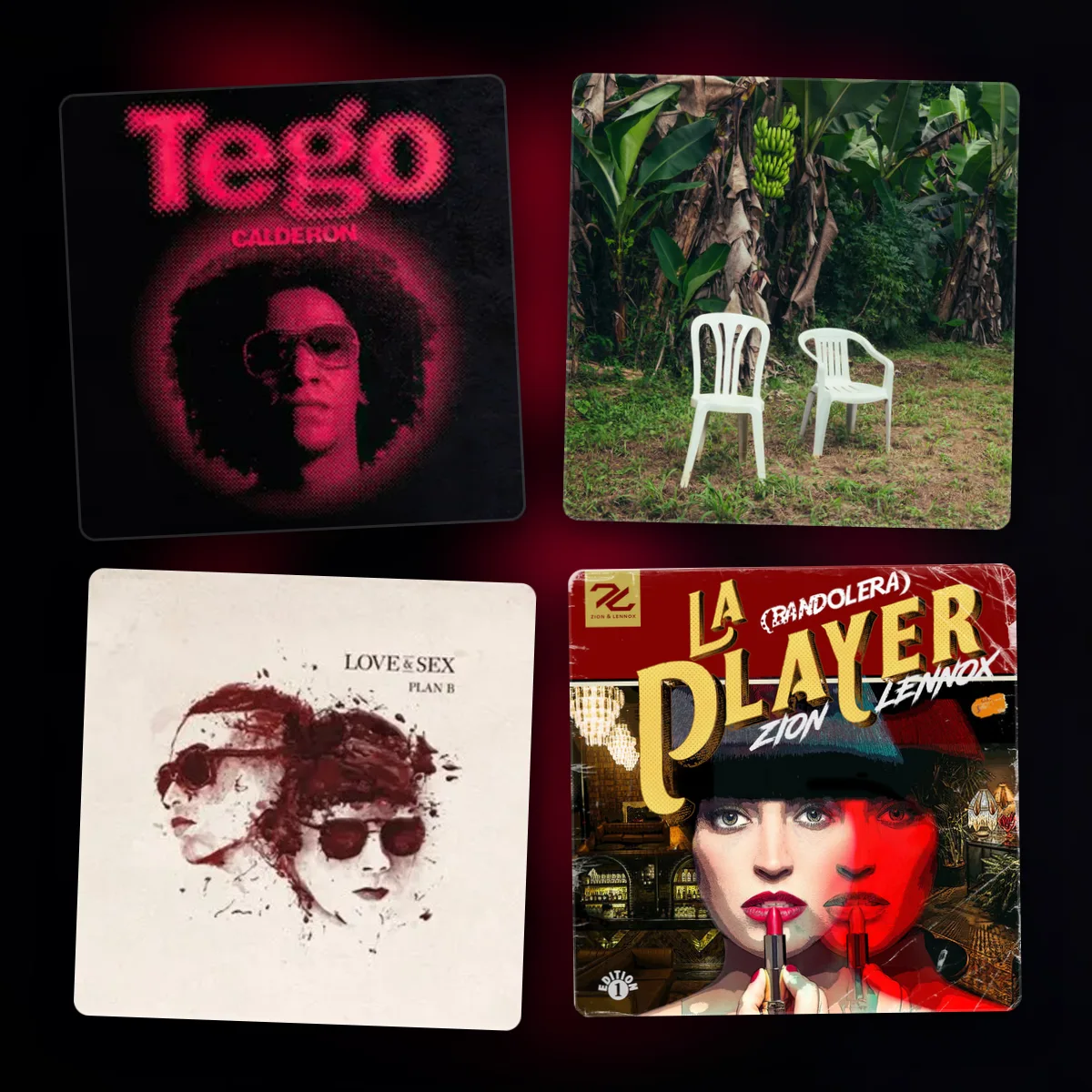
Has influenced



Other similar genres
Genres sharing the most artists with Latin Rap