Description
Rap conciencia, also known as conscious rap, conscious hip hop or positive hip hop, is a strand of hip hop defined chiefly by its outlook and lyrical concerns rather than by a single prescribed sound. Its songs can address collective awareness, spirituality, existence and relationships, as well as peaceful enjoyment and parties.
It is associated with an explicit rejection of crime and violence and with aspirations toward positive social change. It overlaps with political hip hop, but the two are not identical: conscious hip hop places particular emphasis on opposing crime and violence.
Based on: Wikipedia, sedici.unlp.edu.ar
More on: Every Noise at Once

¿QUÉ ES el RAP CONSCIENTE? 🤔| #shorts #rap #rappositivo #rapconsciente #hiphop
lunawine
History
Early development
Rap conciencia is traced to the hip-hop culture initiated by DJ Kool Herc in the 1970s. Its early positive outlook was associated with an ambition to bring together African American and Latino street gangs, reduce violence and improve the lives of poor and oppressed communities through music, graffiti, breakdance and peaceful parties.
Growth and later practice
In the 1980s, pioneers associated with its popularization included Grandmaster Caz, Whodini, The Fat Boys and Run-D.M.C. Positive and conscious hip hop remained prominent during hip hop’s golden age, from 1985 to 1993, when it coexisted with the emergence of gangsta rap.
The term also encompasses Spanish-language artists. More broadly, rap conciencia has been described as an expressive practice and a means of seeking social change grounded in local circumstances and young people’s everyday lives.
Begin with the message
Choose a subject that can carry a sense of awareness or positive change. You could explore existence, spirituality, relationships or everyday community life, or write a celebratory song centered on peaceful enjoyment. Develop the idea through concrete images, a personal perspective or a story rather than relying only on slogans.
Build the musical setting
Use a hip-hop backing to support the rap and make the words easy to follow. A common approach in hip hop is to build a beat from drums and a repeating musical phrase, then shape the vocal rhythm around that loop. You could contrast more detailed verses with a memorable recurring refrain that brings the central idea into focus.

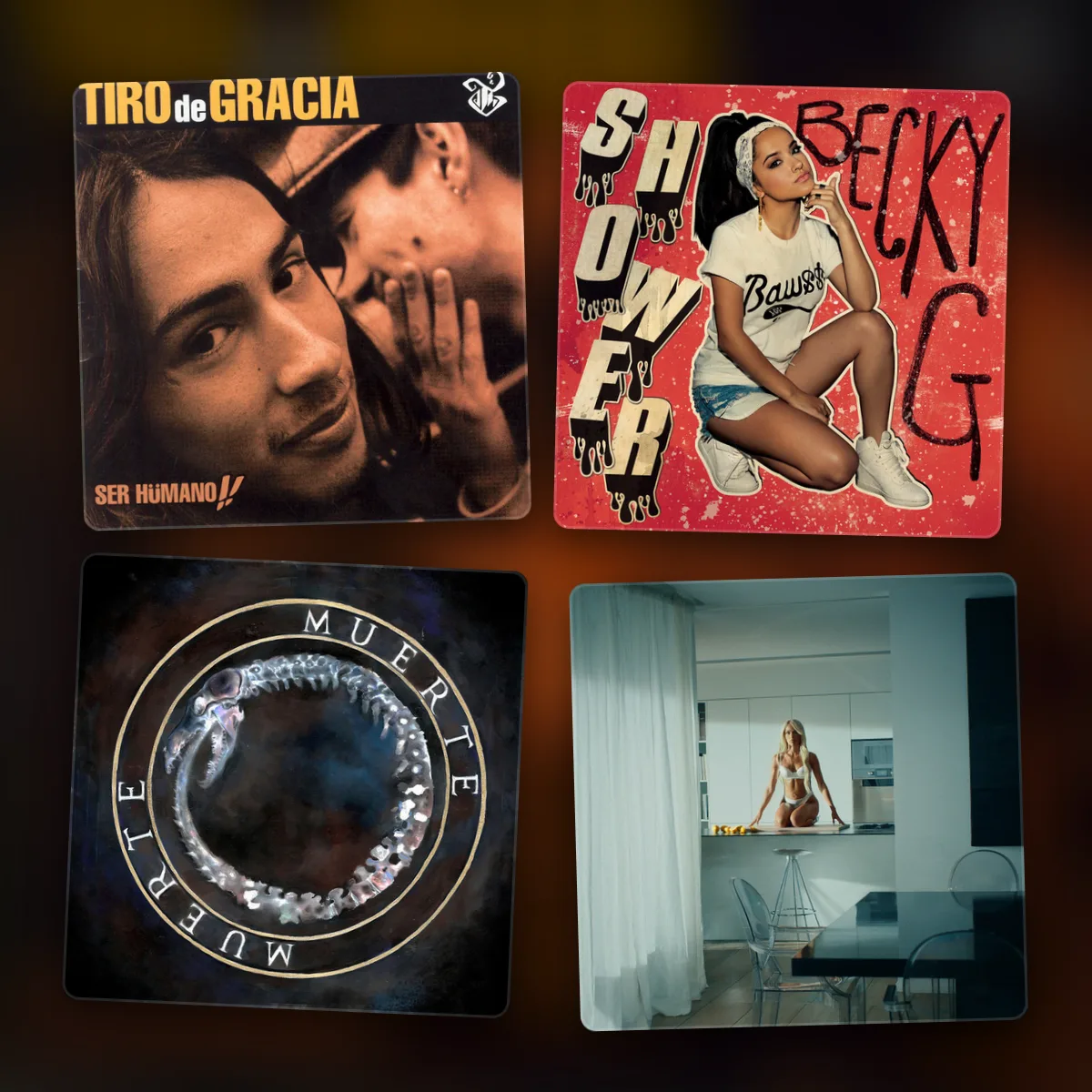
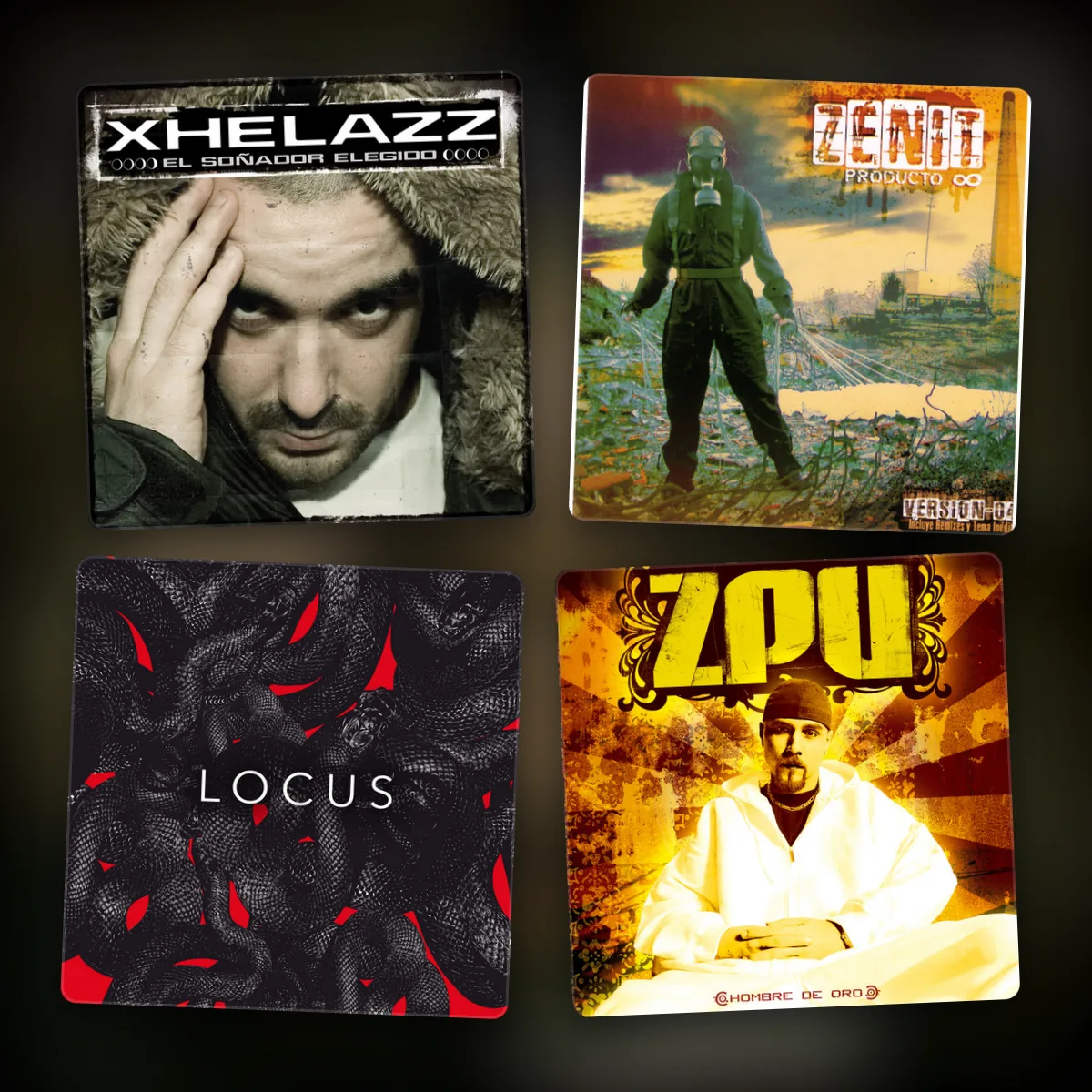
Top albums







Best playlists



Influenced by

Other similar genres
Genres sharing the most artists with Rap Conciencia