Description
New Jersey indie is a regional strain of indie rock and indie pop that combines jangly, guitar-forward arrangements with an earnest, diaristic lyrical voice. It draws heavily on the legacy of the Hoboken/Maxwell’s scene (The Feelies, Yo La Tengo) while channeling the DIY energy of the New Brunswick basement network around Rutgers University.
Sonically, it tends toward clean, chiming electric guitars, melodically active bass lines, tight but unflashy drumming, and vocals that feel conversational and intimate. Many bands mix jangle-pop shimmer with emo’s confessional clarity and the relaxed haze of dream pop, resulting in songs that feel nostalgic, suburban, and quietly expansive.
The scene emphasizes community and self-sufficiency: house shows, small labels, and collaborative touring networks helped it cohere through the late 2000s and 2010s, eventually yielding national breakout acts while maintaining a grassroots identity.
More on: Every Noise at Once

the craziest story in indie music #music
blustre

When Rappers Sample Indie Music 🤯
RealjN
History
Foundations (1980s–1990s)
New Jersey’s indie DNA traces to the Hoboken/Maxwell’s era, where bands like The Feelies and Yo La Tengo shaped a template of jangly guitars, hypnotic grooves, and understated intensity. This period built an audience for thoughtful, guitar-centric music just across the river from NYC, establishing venues, record shops, and a supportive press ecosystem.
Emergence (2000s)
In the 2000s, a younger cohort absorbed those influences alongside punk’s DIY ethic and emo’s lyrical candor. The New Brunswick basement scene coalesced around Rutgers, providing a dense circuit of house shows and micro-labels. Bands such as Titus Andronicus, Screaming Females, and Real Estate began releasing records and touring, defining a sound that balanced energy with introspection.
Breakout and Diversification (2010s)
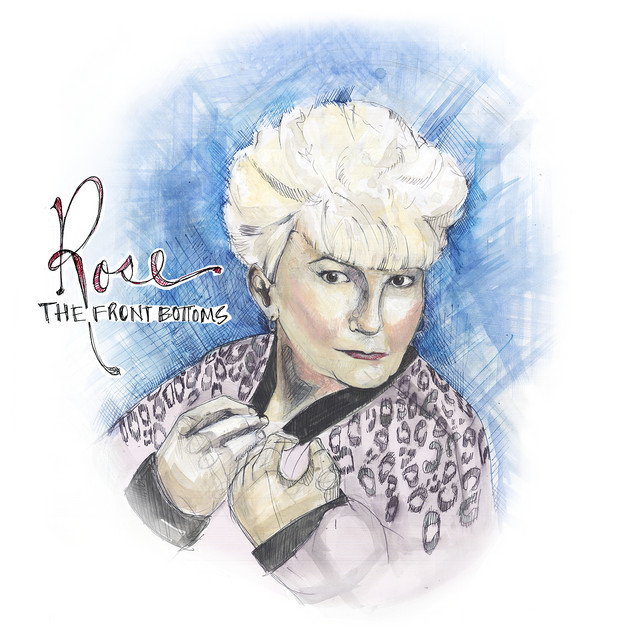
The 2010s brought national attention. Real Estate’s shimmering jangle, The Front Bottoms’ acoustic-forward confessionals, and Pinegrove’s indie/alt‑country hybrid showcased range within a shared sensibility: melodic guitars, intimate vocals, and suburban imagery. DIY infrastructure—small venues, college radio, blogs, and Bandcamp—accelerated discovery while nurturing community.
Present Day
Today, New Jersey indie remains porous and collaborative, feeding into broader U.S. indie networks while retaining a local character. Its influence is audible in modern jangle pop, bedroom-leaning guitar music, and indie punk, as younger bands adapt the formula for streaming-era production and distribution.
Instrumentation and Tone
• Use two clean or lightly overdriven electric guitars with chorus, subtle reverb, or tremolo for a chiming, interlocking texture. A capo and open/suspended chord shapes (add2/add9, sus2/sus4) create bright, ringing voicings.
• Keep bass melodic but supportive—counter‑melodies that outline chord movement without crowding the guitars.
• Drums should be tight and unfussy: mid‑tempo grooves (≈ 90–140 BPM), crisp hi‑hats/ride, occasional tom fills for momentum, and dynamic builds in choruses.
Harmony, Melody, and Structure
• Favor diatonic harmony with occasional borrowed chords for color; pivot on IV and V while exploring add‑tone chords for shimmer.
• Craft hooky, singable guitar motifs as much as vocal hooks; let guitars carry intro/outro themes.
• Structures are song‑first (verse/chorus/bridge) with patient builds rather than abrupt drops.
Lyrics and Delivery
• Write in a candid, conversational register about place (suburbs, highways, diners), memory, friendship, and ambivalence. Specific details (street names, seasonal imagery) accentuate nostalgia.
• Vocal delivery is intimate and unforced; double‑tracking and light slapback can add warmth without overpowering the mix.
Production and Aesthetics
• Embrace DIY clarity: track at home or in small studios, prioritize natural room ambience, and avoid heavy compression or brickwall limiting.
• Pan guitars for width; keep vocals upfront; let transients breathe. Master for moderate loudness to preserve dynamics.
Performance and Community
• Arrange sets to flow from jangly mid‑tempos into cathartic closers; maintain eye‑level engagement.
• Lean into collaboration—splits, compilations, and house‑show circuits are part of the tradition.

it’s been a while since I made some jersey club #jerseyclub #flstudio
shonci

Jersey Giant Tyler Childers Guitar Tutorial // Jersey Giant Guitar Lesson
The Groovy Guitar Dude

How to make Chill New Jazz!
Isaac Horner

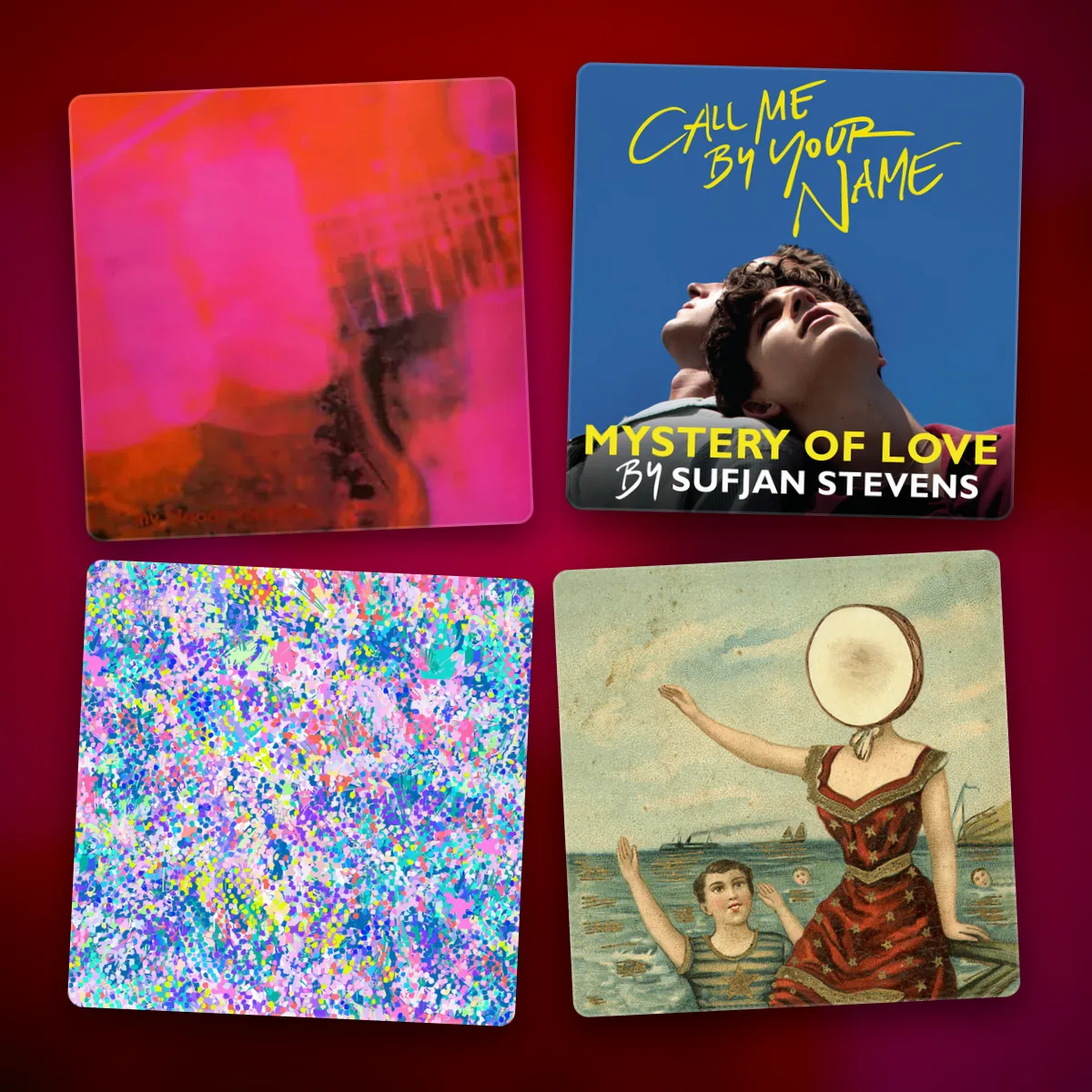
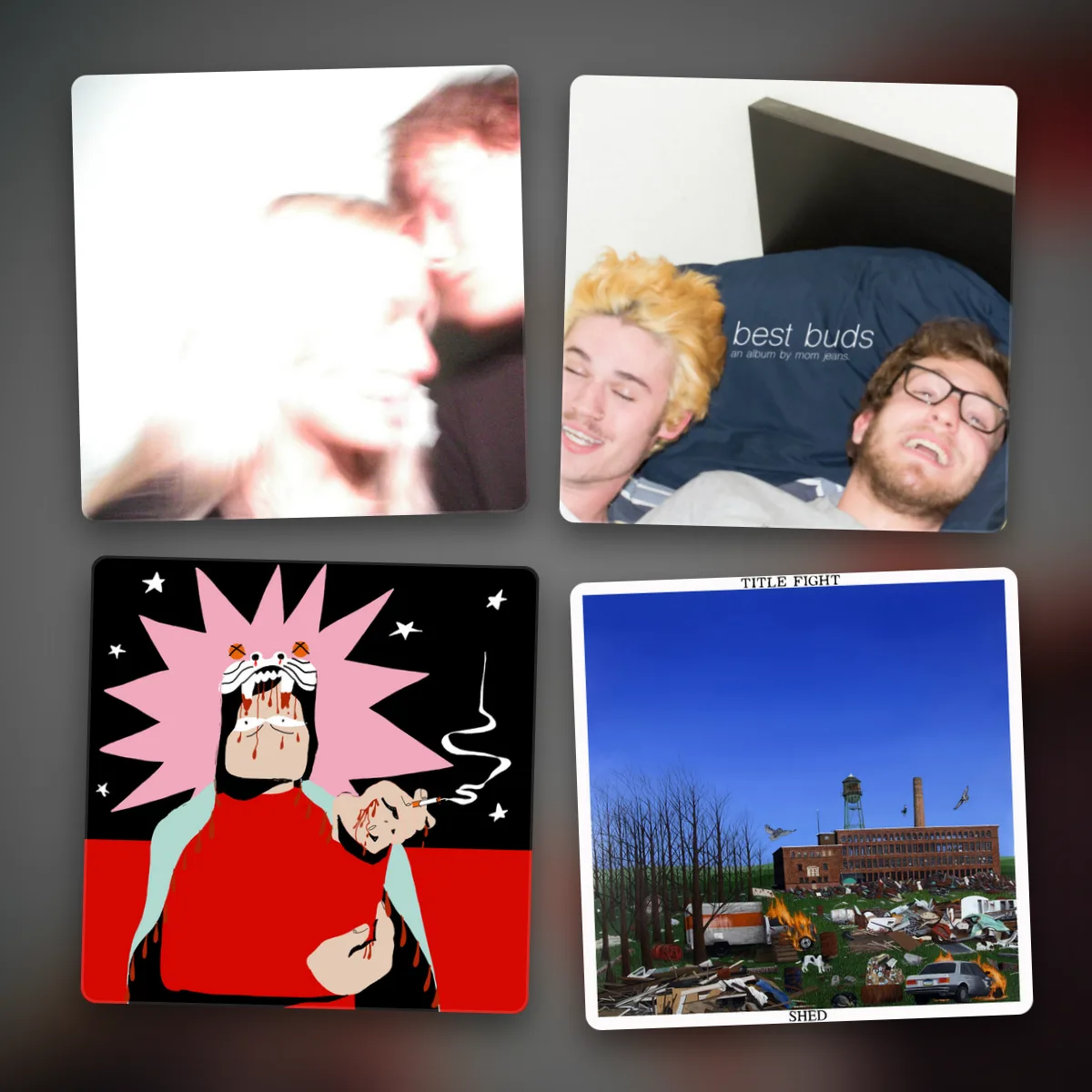
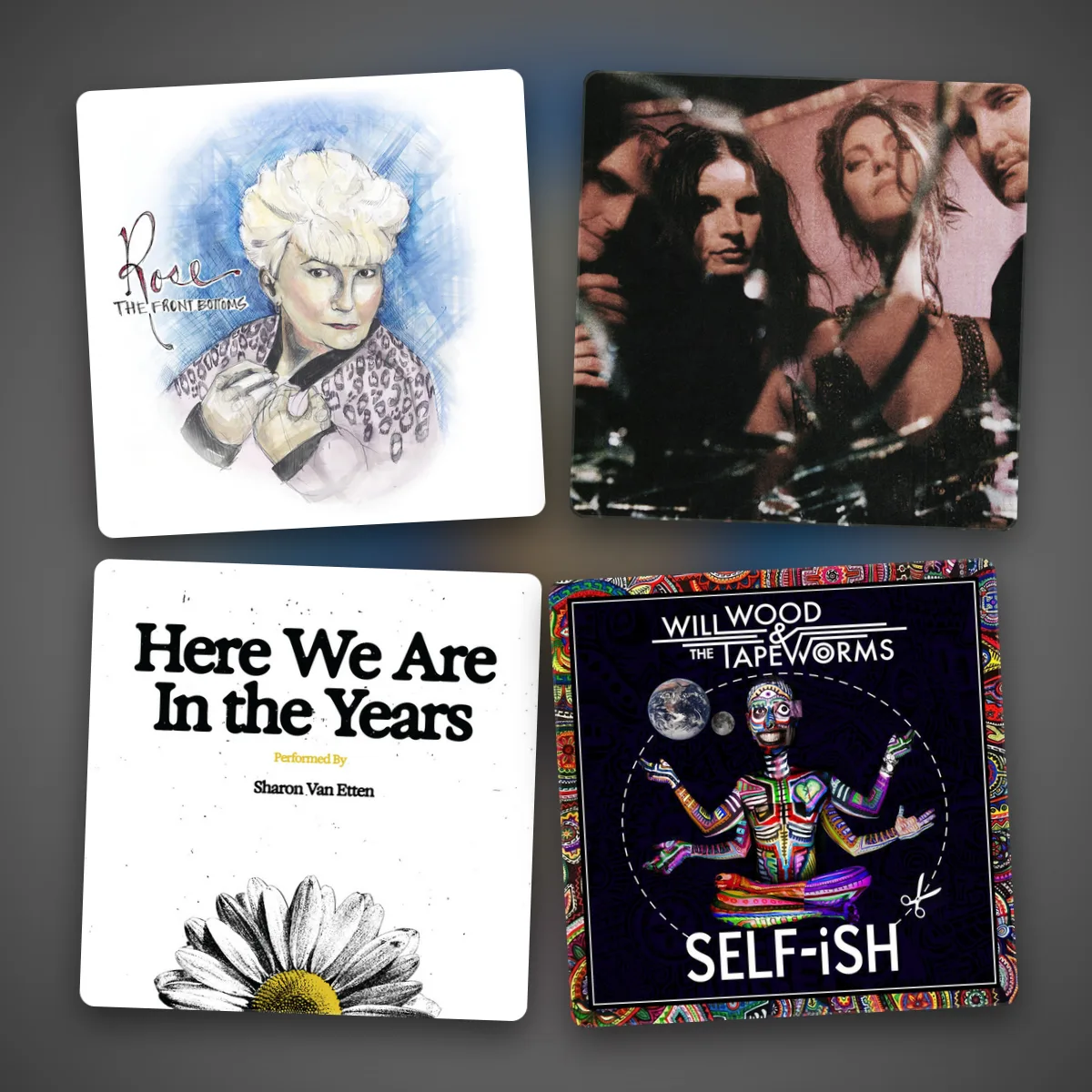
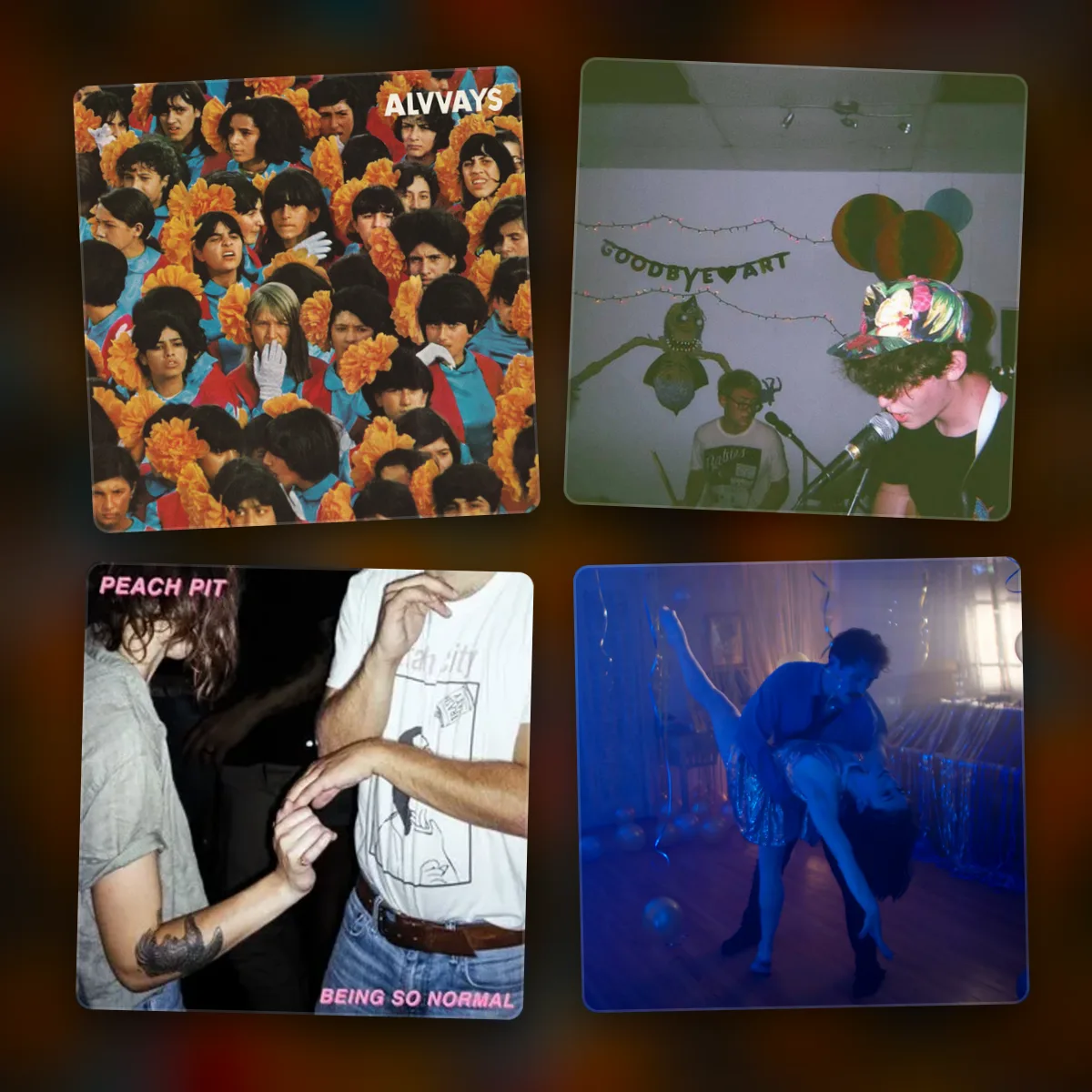
Top albums
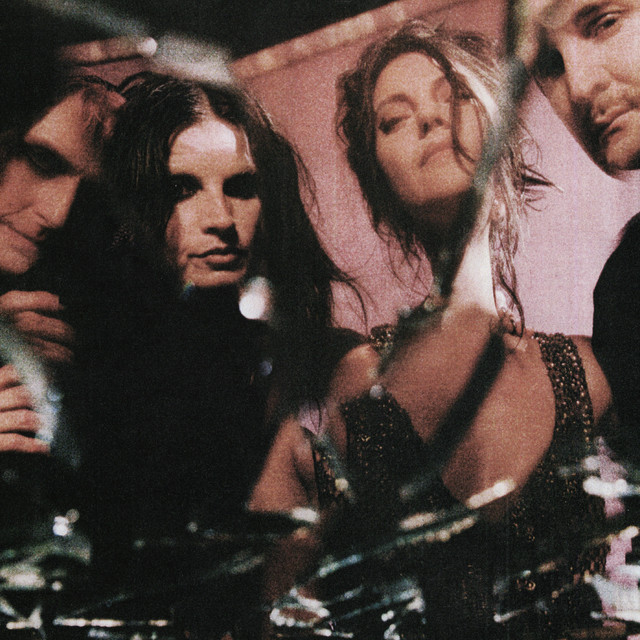
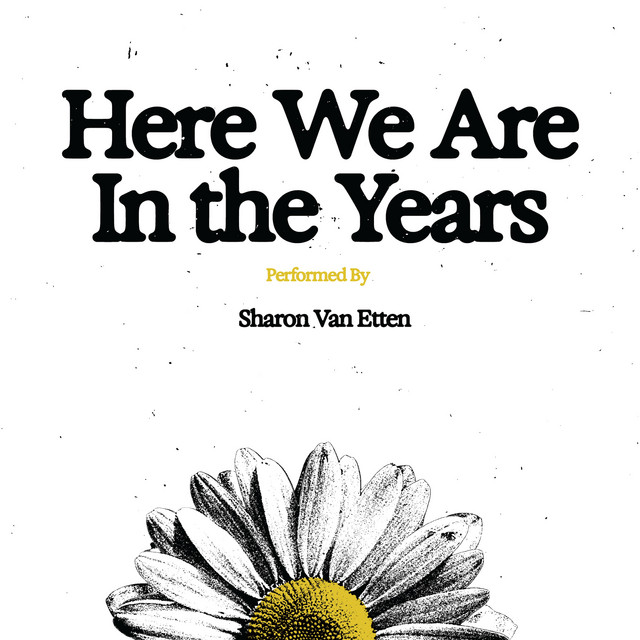
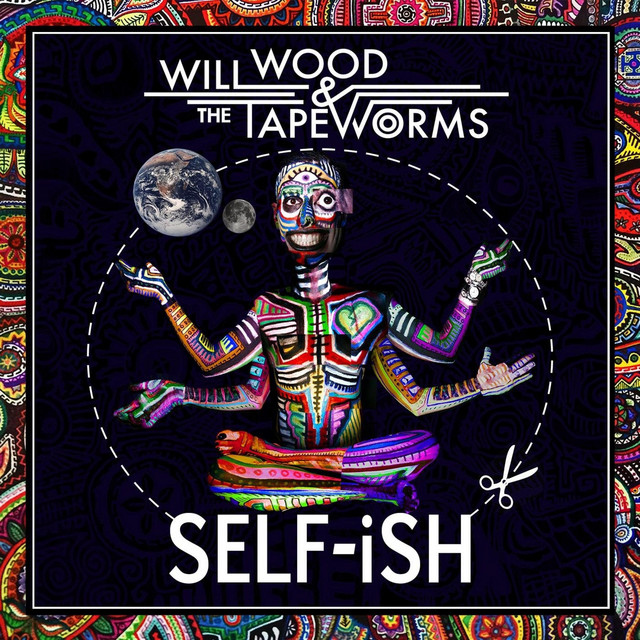
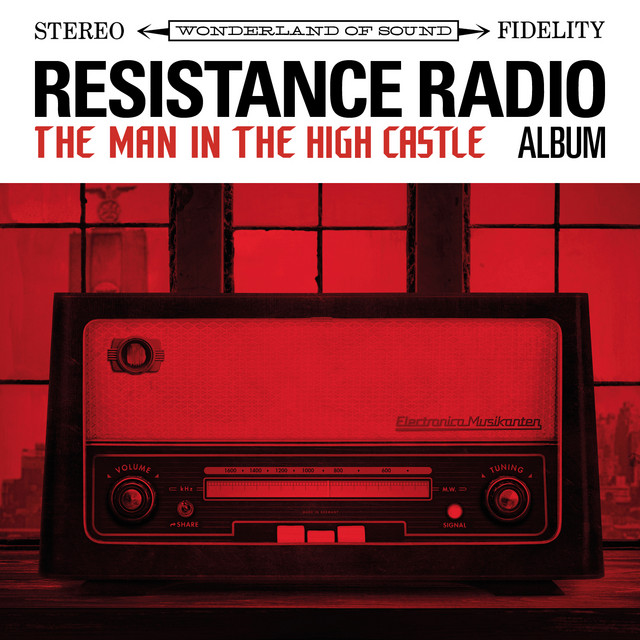
Best playlists


Influenced by



Has influenced
Other similar genres
Genres sharing the most artists with New Jersey Indie