Description
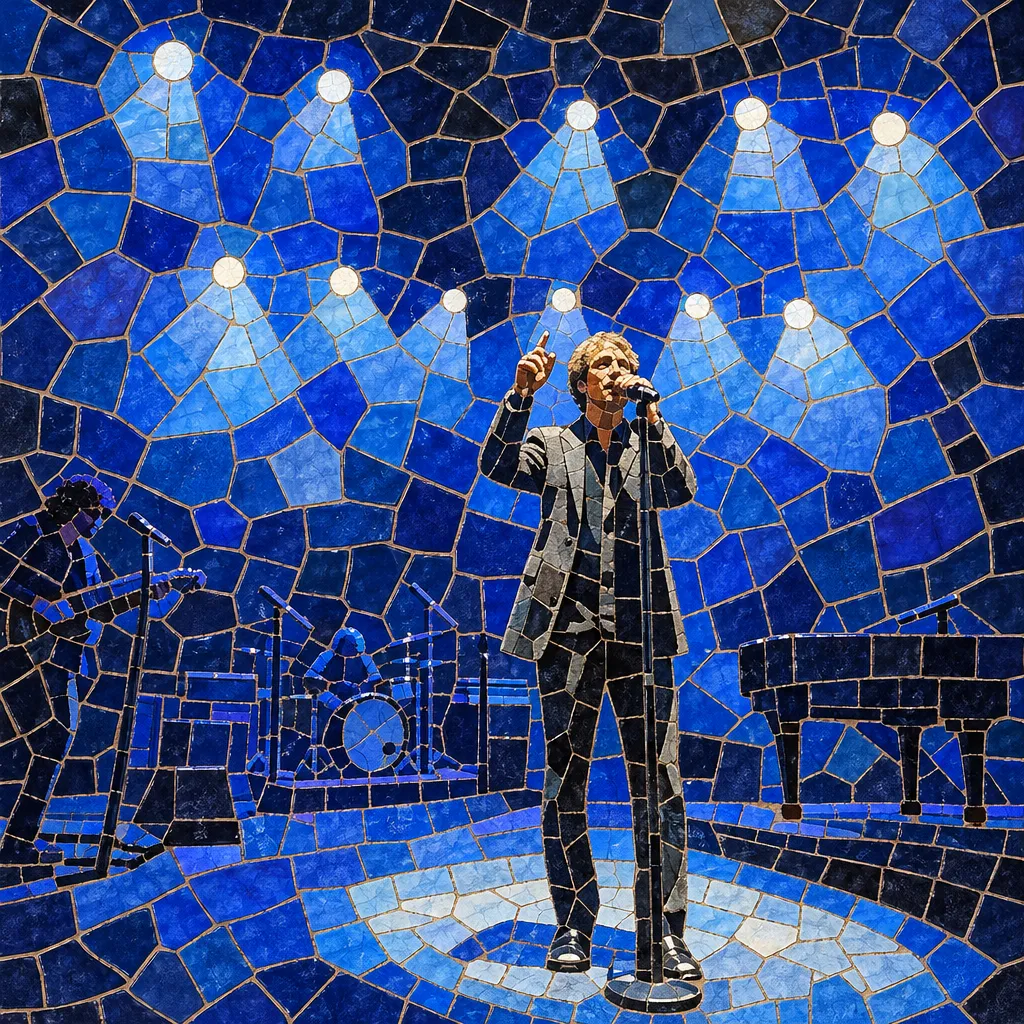
Private school piano, also called private school amapiano or soulful amapiano, is a smooth, jazz-tinged style of amapiano. Soft piano chords, melodic instrumentals and subdued log drums give it a mellow, polished sound; live instruments and R&B colours can also be part of the palette. Unlike breakbeat-oriented production, the style is described as avoiding breakbeat patterns.
It retains amapiano’s dance-music framework but often favours listening and swaying over forceful movement. Its easy-listening character has invited comparisons with lounge music, while its soft sound suits settings from travel to gatherings at home.
Based on: amapiano.co, hashtagdance.com, news24.com
History
A softer side of amapiano
The name private school amapiano emerged shortly after amapiano began gaining widespread popularity in South Africa in 2018. It became more widely used as some producers favoured quieter production over a breakbeat-oriented approach.
A defining sound
The style is particularly associated with Soweto producer Kelvin Momo, whose 2020 album Momo's Private School became a landmark. Fellow amapiano artist Masterpiece is credited with coining the term to describe Momo’s sound. The name plays on an association between private schools and polish, contrasting with amapiano’s roots in township parties and taverns.
For years, private school piano had a reputation as a cult taste, suited to listening at home or late at night, even as it remained dance music.
Build a soft foundation
Start with piano chords and a melodic, jazz-inflected instrumental idea. Keep the chord voicings rich and the overall sound gentle rather than forceful. You could add live instruments or R&B-influenced textures around the piano, leaving enough space for the melody to remain clear.
Shape the rhythm
Work within an amapiano-style dance framework, using soft log-drum sounds instead of a hard-edged rhythmic attack. The style is described as avoiding breakbeat patterns. Aim for a groove that invites swaying while remaining comfortable to hear in a relaxed setting.
Arrange for listening
Let the instrumental layers develop without crowding one another. A useful approach is to introduce sounds gradually, vary the piano voicings and use changes in texture to sustain interest. Keep the transitions smooth and the production restrained to preserve the style’s easy-listening character.

Amapiano FL Studio Tutorial 2021 | Private School Piano
Asource Plug

The Secret to Making Amapiano Beats Like Kelvin Momo
Asource Plug

Chords 🔥🎹#amapiano#flstudio #flstudioamapian
TT BLue 108

How To Make Private School Amapiano (Kelvin Momo, De Mthuda) | FL Studio Tutorial
Seventh' Beats

Top albums






Best playlists
Private School Piano
Melodigging
Private School Piano
Chosic

Private School Piano Mix
Spotify

Amapiano & Afro House Mix 2026 | Private School Piano - Deep & Soulful Session (Vol.1)
Sol.

PRIVATE SCHOOL PIANO MIX (WELCOMING DECEMBER) 2025 By KAYLOR KB | KELVIN MOMO |DJ JAIVANE |DAANO
KAYLOR KB PLUGS🔌🔌
Influenced by




Other similar genres
Genres sharing the most artists with Private School Piano