Description
Underground amapiano centers on a mid-tempo dance groove: continuous shakers and crisp percussion circle around deep, bouncing log-drum bass, often with warm synth pads and looping minor-key chords. The name comes from Every Noise at Once’s map of Spotify genre labels and The Sounds of Spotify’s playlist “The Sound of Underground Amapiano”; published writing about it is scarce.
The music is closely associated with amapiano and its house rhythms, while the lively percussion also recalls bacardi. A steady kick can anchor the beat, but syncopated bass notes and rimshots give it a more elastic feel. The production is generally clean and spacious, with wide percussion and reverberant pads or voices. Much of it feels hypnotic and relaxed, though some tracks have a more driving, celebratory energy.
Rhythmic chants and spoken or shouted phrases are common, sometimes layered or arranged as call and response; other tracks leave room for instrumental grooves. Titles include English and other languages, and collaborations are frequent. Releases collected under the name are mostly from the early 2020s, including music by Sfarzo Rtee, Bongza, Dzo 729 and LuuDaDeejay.
Based on: Every Noise at Once, Spotify's genre tags and playlist
Build the groove
Start with a mid-tempo amapiano-style dance pulse. Program continuous shakers and crisp claps or rimshots, then add a deep, pitched log-drum bass pattern that bounces around the kick rather than simply following it. Draw on bacardi for lively, syncopated percussion.
Add harmony and voices
Loop a small set of minor-key chords with warm, sustained synth pads. Electric-piano or marimba-like tones can add a lighter melodic layer. Try short rhythmic chants, spoken phrases or call-and-response vocals, leaving space for the bass and percussion to carry the track.
Shape the mix
Keep the low end deep and resonant while giving the high percussion width. Use reverb and delay on pads or voices for a spacious, hypnotic atmosphere, with the drums remaining clean and defined.

I Learned How To Make AMAPIANO in 24 Hours!
EdTalenti

How to make an Amapiano Lead on FL Studio
DJ Odyccy

how to make Amapiano like Mr Jazziq ft Kabza de small Hoza
TSONGA BROS
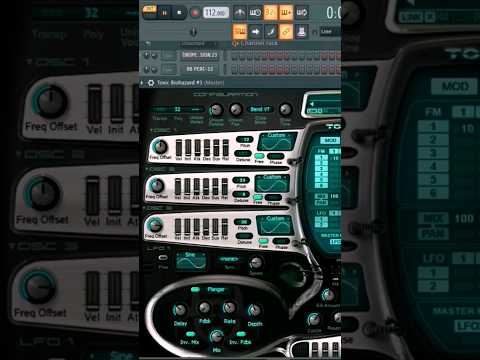
Toxic Biohazard | Jazzical Key - Logish #flstudiotutorials #amapiano
Black Terror Studio

Top albums




Best playlists



Influenced by


Other similar genres
Genres sharing the most artists with Underground Amapiano