Description
Reggaeton chileno is a Chilean urban style that combines reggaeton’s danceable pulse with elements of trap and maleanteo. Its tracks pair catchy melodies and prominent drums with lyrics about personal experience, including life in marginalized neighborhoods.
Chilean slang and local speech patterns give the music a distinctive verbal identity. Camila Gutiérrez has noted that an interviewee in a Billboard report found the diction difficult for outsiders to understand, while treating that cadence as part of the music’s Chilean character.
Based on: efe.com, remezcla.com, radiouc.cl, copesa-la-tercera-prod.web.arc-cdn.net
More on: Every Noise at Once

El DIVA se ha usado en muchas canciones de Reggaeton Chileno🇨🇱 #reggaetonchileno #diva #flstudio
KVRMV MUSIC
History
Earlier foundations
Chilean versions of reggaeton existed before the current scene. According to music historian Matías Hermosilla, the music’s roots in Chile reach back to the early 2000s, when Haitian immigrants helped spread reggaeton rhythms. Hermosilla identified Daddy Yankee’s 2006 performance at the Viña del Mar festival as a moment that consolidated the music’s appeal among Chilean audiences.
A new urban scene
A trap scene later helped provide a foundation for the current reggaeton scene. The newer movement broke through locally in 2018, with artists including Gianluca, DrefQuilla, Polimá Westcoast and Pablito Chill-E. They drew on their experiences and described the realities of marginalized communities in music made for dancing.
Many artists developed their work at home, producing their own songs. Collaboration also became a way of building the scene: established performers worked with newcomers, creating networks of mutual support.
Build a danceable foundation
Start with a prominent drum part and a repeating reggaeton groove. Give the instrumental a clear rhythmic identity, then write a catchy melody that can sit comfortably over it. The aim is to make the track inviting to dance to even when the lyrics address difficult experiences.
Write from a perspective
Use verses to tell a story or describe a lived experience, and pay attention to how the words sound in the local speech style. A memorable refrain can contrast with more detailed verses. Chilean slang and cadence can be part of the vocal character when they are natural to the writer.
Arrange and produce
You could take a common trap approach by combining electronic drums and bass with a sparse melodic loop, then changing the texture between verses and the refrain. Home production can be a practical starting point: develop the beat and vocal together, leaving enough space for the lyrics to remain audible.

How to Make Basic Reggaeton Drums #reggaetondrums #flstudiotutorial #producer #shorts
VHILO BEATZ

Cómo Hacer Reggaeton PROFESIONAL Desde 0 Sin TEORÍA MUSICAL? (Paso a Paso)
DimeloSmooth

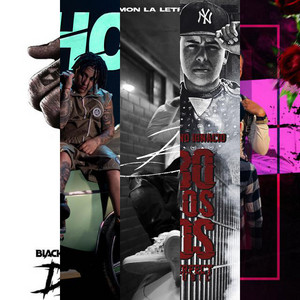
Top albums







Best playlists

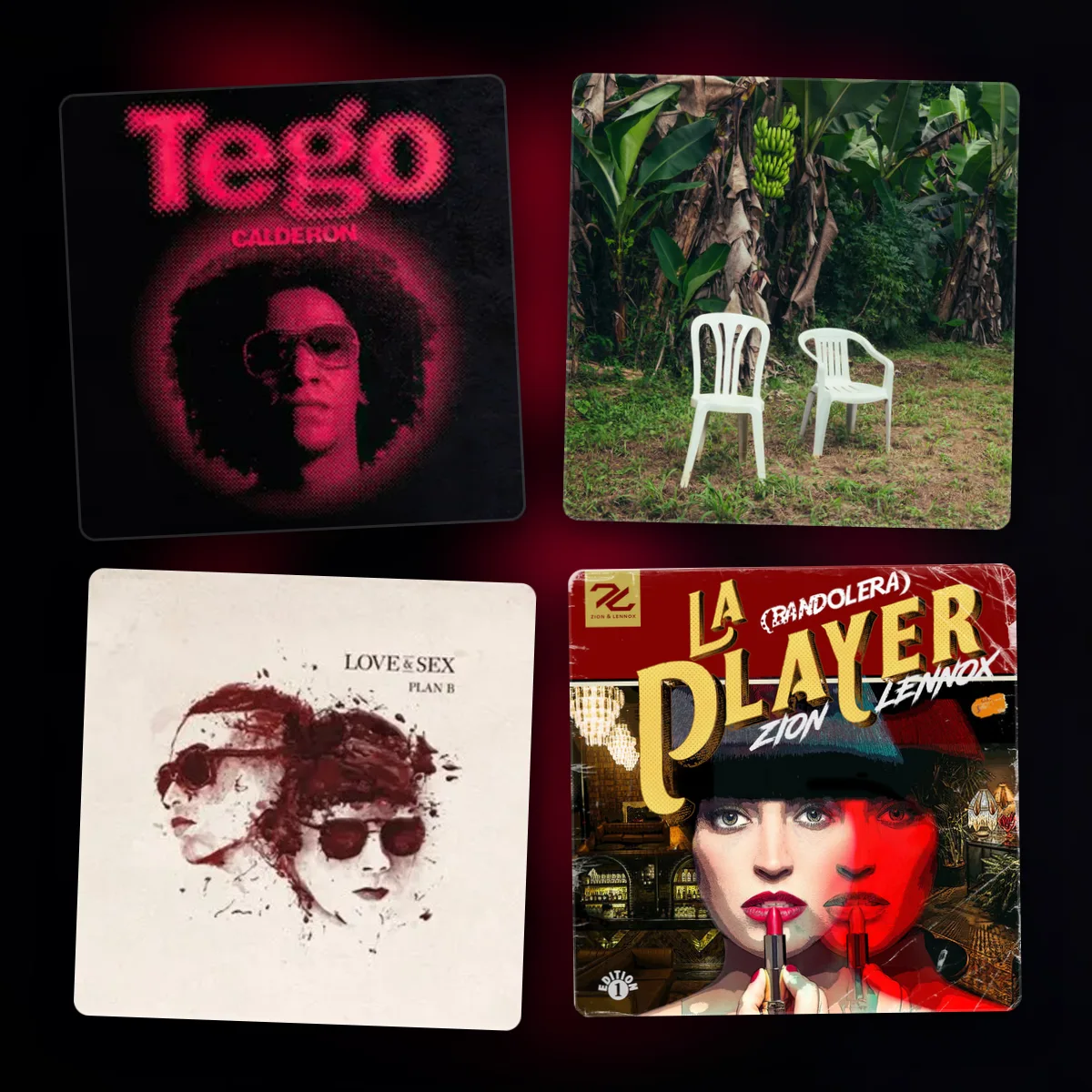
Influenced by

Other similar genres
Genres sharing the most artists with Reggaeton Chileno