Description
Chilean trap brings Spanish-language rap and melodic singing to bass-heavy electronic dance music. Spotify uses the term among its artist genre labels, though there is scant writing about it. The music commonly moves at a steady, mid-tempo pace, with syncopated dembow drums, deep sub-bass and repeating minor-key synth patterns. Plucked synths and atmospheric pads frame pitch-corrected voices, while reverb, delay and layered ad-libs give the polished productions extra space.
The sound sits close to reggaeton’s dancefloor rhythms, trap latino’s blend of rap and moody melody, and the party-oriented rapping of mambo chileno. Vocals often move between rhythmic verses and tuneful hooks, sometimes trading between contrasting deliveries. The mood tends toward confident, nocturnal and danceable, with a sensual or reflective edge in some tracks.
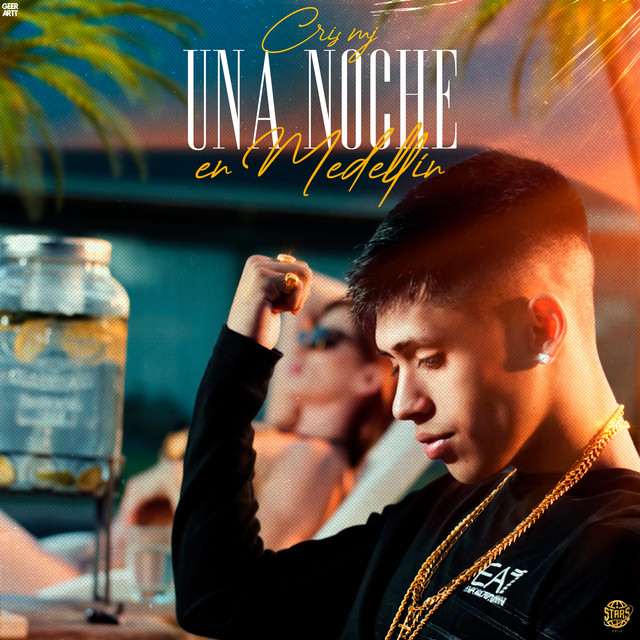
Titles such as “Una Noche en Medellín,” “Pégate” and “Pensándote” suggest nights out, dancing and relationships. The playlist includes many collaborations and remixes, and its releases are mostly from the mid-2020s.
Based on: Spotify's genre tags and playlist

EL TRAP CHILENO #trap #reggaetton #musicaurbana #podcast #opinion #chile #podcast #rap #hiphop
FichitaTV

EL TRAP EN CHILE ESTA MUERTO?
Melis_yp

@BenBulgariOfficial ¿Por qué el TRAP llegó primero a Chile 🇨🇱 en LATAM? Parte 2
LaJunta+
Build the groove
Start with a mid-tempo drum-machine beat shaped by reggaeton’s syncopated dembow rhythm. Give the kick a firm punch, place a crisp snare or clap off the beat, and anchor the pattern with deep synth sub-bass. Briefly removing the drums before bringing them back can add movement.
Add melody and vocals
Use a simple repeating minor-key progression, with plucked synth figures and sustained atmospheric pads. Draw on trap latino and mambo chileno by pairing rhythmic Spanish-language rap with a melodic hook. Try contrasting vocal deliveries, pitch correction, layered ad-libs and occasional chopped-vocal effects.
Shape the mix
Keep the bass weighty and the lead vocal upfront. Use reverb and delay to add space around the voice while retaining a clean, punchy dancefloor sound.

Top albums





Best playlists



Influenced by


Other similar genres
Genres sharing the most artists with Chilean Trap