Description
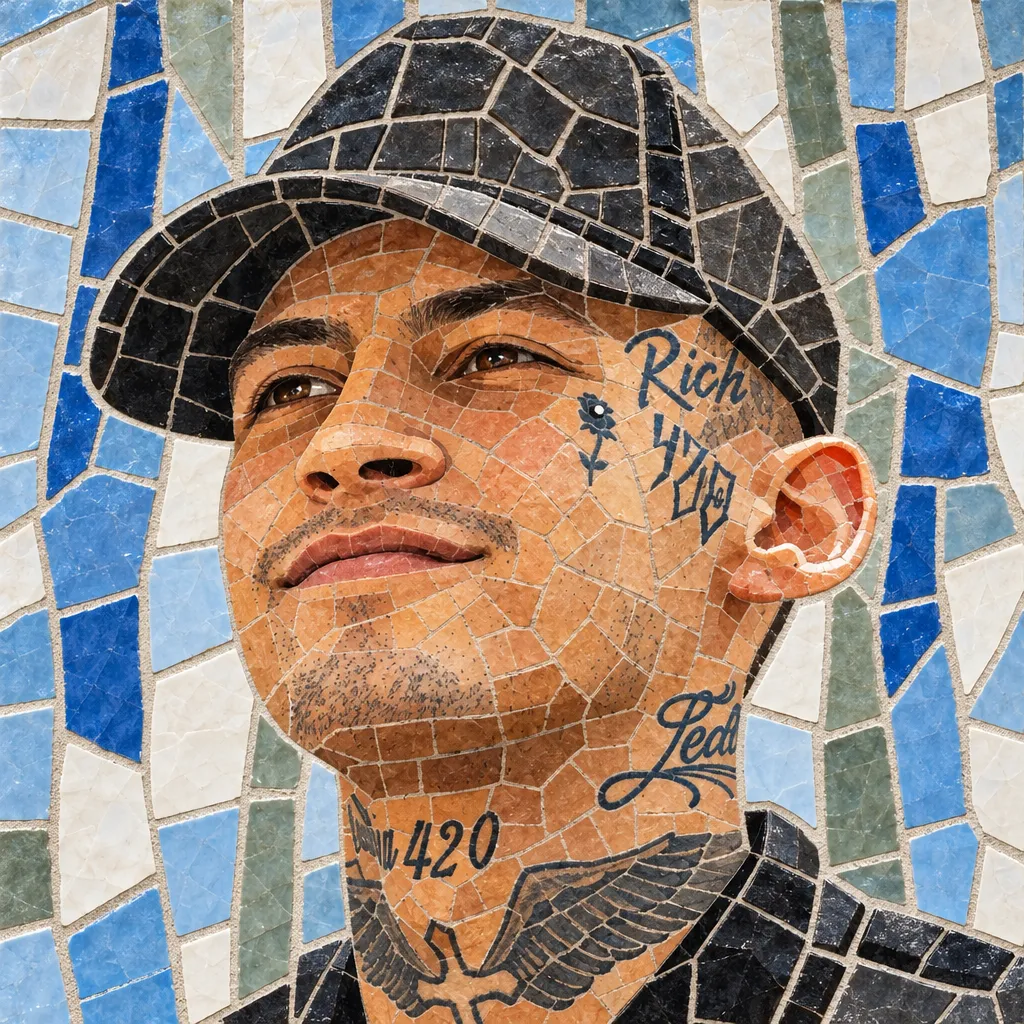
Argentine trap is a rap subgenre built around synthesizers, drum-machine rhythms, deep sub-bass and hi-hat patterns that divide the beat into two or three parts. Prominent Auto-Tune and other vocal processing give the voice a conspicuously electronic character.
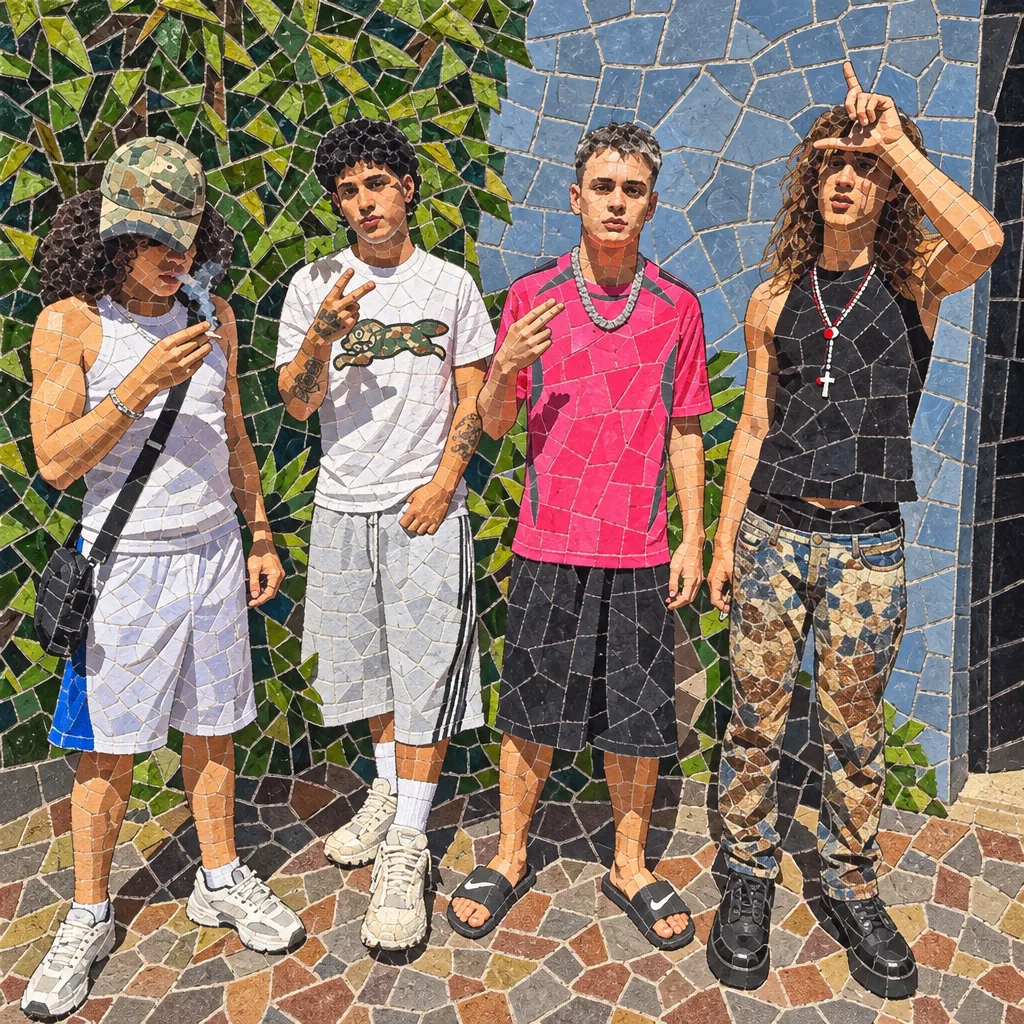
Its lyrics can focus on luxury, display and everyday life. The music is also closely tied to video and social media: it is both a musical style and a youth culture. Some commentators have criticized misogyny in the scene.
Based on: vice.com, revistas.udea.edu.co, los40.com, anunm.unm.edu.ar
More on: Every Noise at Once
History
Background
Trap grew out of hip hop in the United States in the 1990s. Argentine artists subsequently helped bring the style to a wider audience, developing a scene with its own social and audiovisual culture.
A scene takes shape
During the 2010s, rap battles became a platform for emerging performers in Argentina. El Quinto Escalón began in 2012 and gained international attention in 2016 as videos of its events circulated on YouTube. It became an important source of talent for Argentine trap.
Digital growth
Home recording and online videos helped young musicians make and distribute their work outside established recording-industry channels. The scene grew beyond a niche audience in Buenos Aires, with artists including Duki and Khea becoming associated with its expansion.
Build the beat
Start with a drum-machine groove anchored by deep sub-bass. Program hi-hats with subdivisions that alternate between two-part and three-part divisions, using changes in density to keep the rhythm moving. Add synthesizer parts that leave enough space for the bass and vocal.
Shape the voice and words
Use Auto-Tune or another pitch-processing effect as an audible part of the vocal sound. You could write in a direct, conversational style about everyday life, ambition or material display, themes associated with the scene. Vary the delivery between rhythmic rap and more pitched phrases.
Arrange and present it
Build contrast by bringing drums, bass and synth layers in and out around the vocal. A common approach in trap is to keep a recognizable central motif while changing the percussion and vocal energy between sections. You could also plan a video alongside the track, reflecting the style’s strong audiovisual character.

the SECRET FORMULA to Simple Trap Beats
Red Bow Music

HAGO un BEAT para SWAGGERBOYZ 🤓🚫 #swag #shorts #trap #argentina #talento
Maizzeno

la HISTORIA COMPLETA del TRAP en ARGENTINA
Aaron Picq

Making Argentina 🇦🇷 #music #trap #song #beat #bass #instrumental #shorts
BrimzoPlayz

Top albums






Best playlists


Influenced by


Other similar genres
Genres sharing the most artists with Argentine Trap