Description
Turreo is an Argentine urban dance style built around the meeting of cumbia, particularly cumbia villera, and reggaeton. Its sound typically features a heavy rhythmic foundation, forceful bass and vocals or samples aimed at the dance floor. Dancehall, dembow, trap and electronic music can also enter the mix.
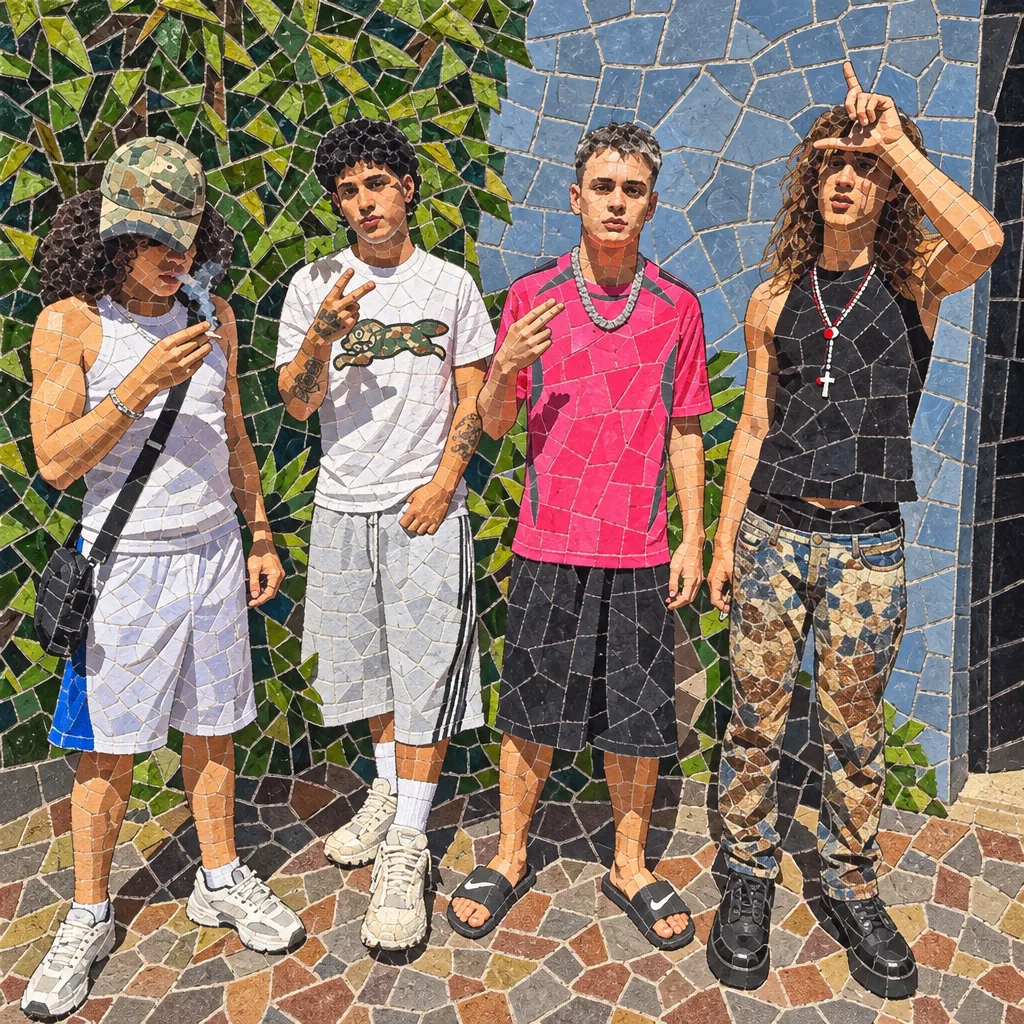
The production ranges from rough, cumbia-oriented tracks to heavily processed electronic versions. Lyrics and imagery often draw on neighborhood life. Turreo is closely associated with RKT, a name sometimes used for the same style.
Based on: filo.news, zmmusic.com.ar, billboard.ar, bamv.net and

¿QUÉ ES EL TURREO Y EL RKT? #turreo #rkt
Héctor Elí
History
Origins in the Buenos Aires suburbs
Turreo emerged in Argentina, particularly in the Buenos Aires metropolitan outskirts. One account places its beginnings in the late 2000s at Rescate Bailable, a club in San Martín, where DJs including DJ Pirata mixed cumbia villera with reggaeton. Remixes were central to its early development.
A named movement
A later generation of producers helped bring the sound to a wider audience from 2017. DJ Tao, Alan Gómez and DT Bilardo are among those associated with this revival. Alan Gómez has described the early approach as experimentation: adding cumbia rhythms to existing material so it would connect with local listeners.
New directions
The style has since expanded into more heavily electronic and experimental productions. Softer variants, sometimes called turreo chill or afro turreo, retain a rhythmic focus while pursuing a gentler sound.
Build the rhythm
Start with the interaction between cumbia and reggaeton: give the track a strong, danceable rhythmic base and a prominent, weighty bass part. You could use a cumbia-style rhythmic figure alongside a dembow-inspired pulse, adjusting their relative emphasis to suit the track.
Work from a vocal
One remix-based approach is to begin with an a cappella vocal and develop a cumbia-flavored rhythm around it. Choose vocal phrases or samples that work directly with the groove, leaving space for the bass and percussion to drive the track.
Shape the production
For a rougher result, keep the arrangement close to its cumbia elements. For a more polished version, experiment with electronic processing and layered sounds. A softer interpretation could ease the intensity of the textures while keeping the rhythmic foundation clear.

Como Crear Drums de Reggaeton en FL Studio
Veguzzi

Cómo Hacer RKT / Cumbia 420 Solo con Tú Teléfono!!! | #Bandlab app Tutorial | #shorts
Yael Bianco

How to Make Basic Reggaeton Drums #reggaetondrums #flstudiotutorial #producer #shorts
VHILO BEATZ

COMO HACER UN RKT COLOMBIANO🤔🤔🤔
DJ Plaga

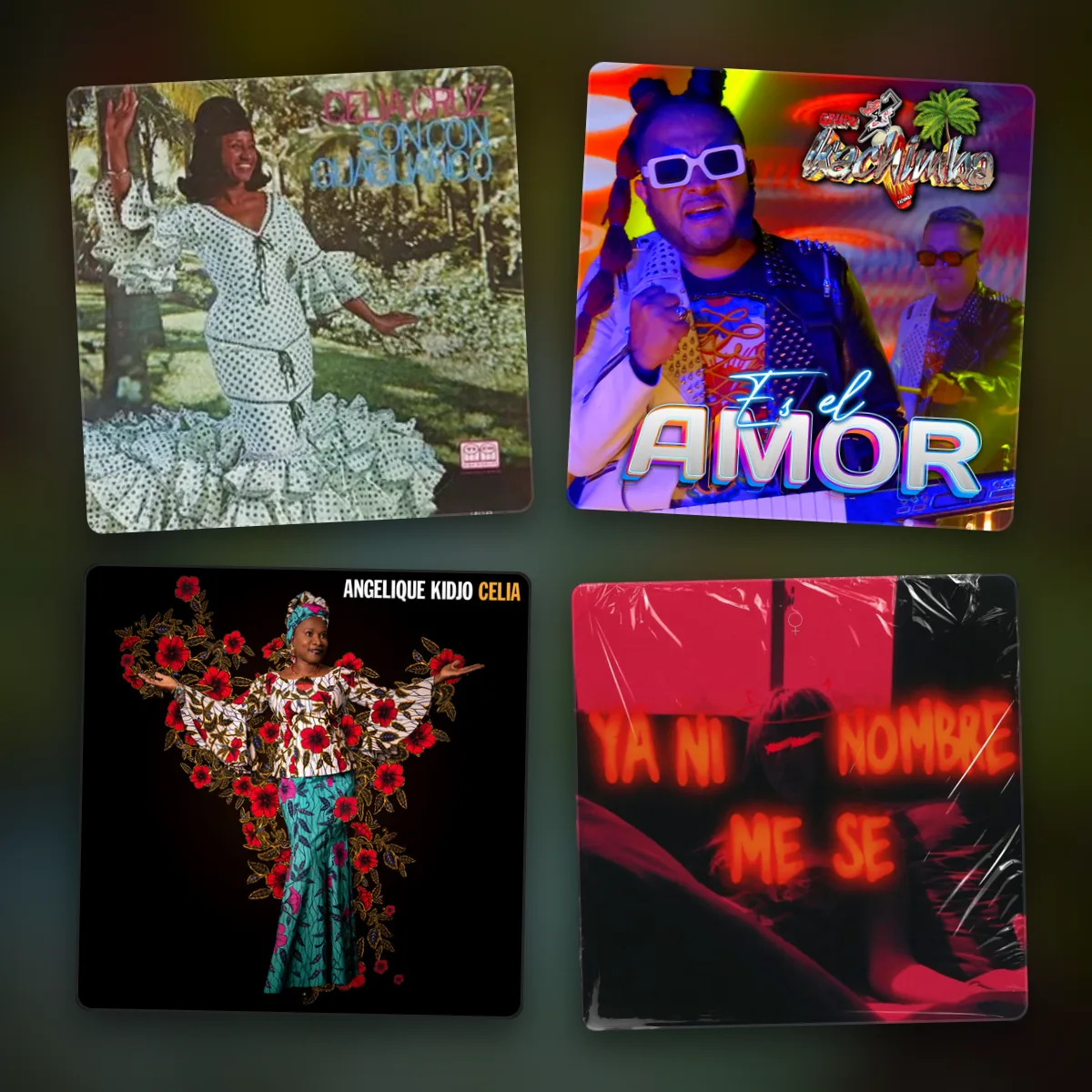
Top albums



Best playlists



Influenced by



Other similar genres
Genres sharing the most artists with Turreo