Description
Distorted guitars, driving bass and forceful drums give underground grunge a heavy, urgent rock sound. The term is charted by Every Noise at Once and used for a Spotify playlist, though it has scant published description. Much of the music moves fast, with hard snare backbeats and crashing cymbals; some songs are slower and more plodding. Power chords and chugging riffs often give way to sharp stop-start breaks, with the band locking tightly together.
English-language vocals tend to be raw and strained, rising into sustained wails or screams. The sound is often dark and aggressive, though some songs have a more exuberant, anthemic lift. Dense, saturated production gives the guitars a broad, loud presence, while reverb or delay adds space around the voice.
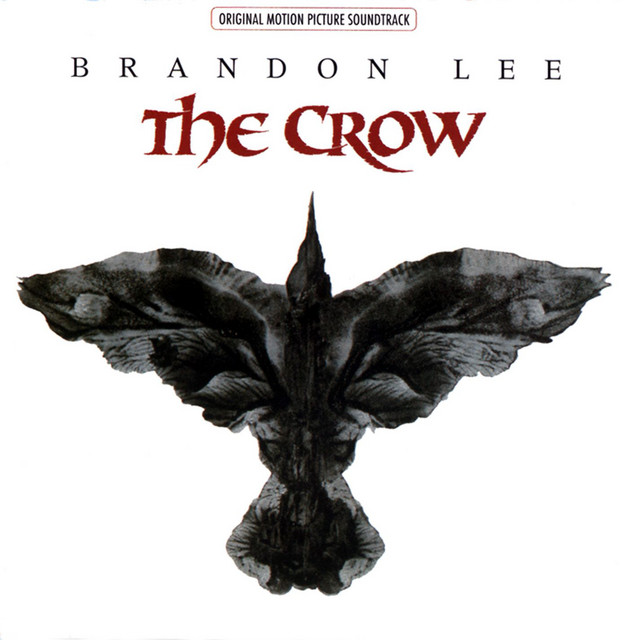
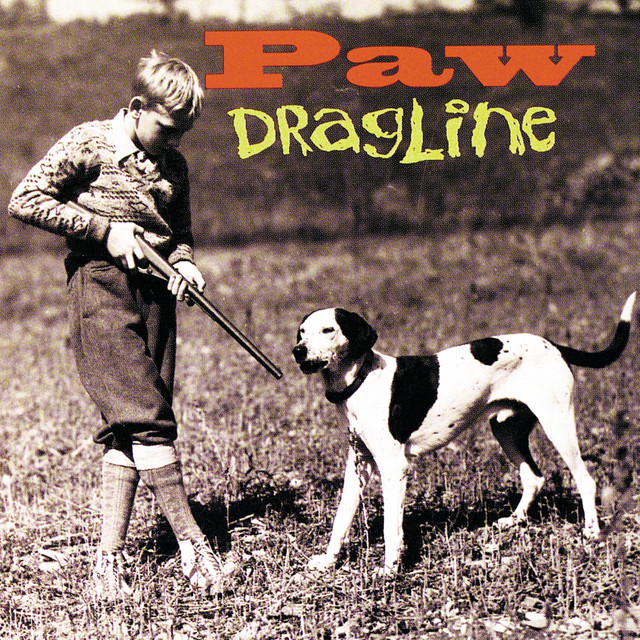
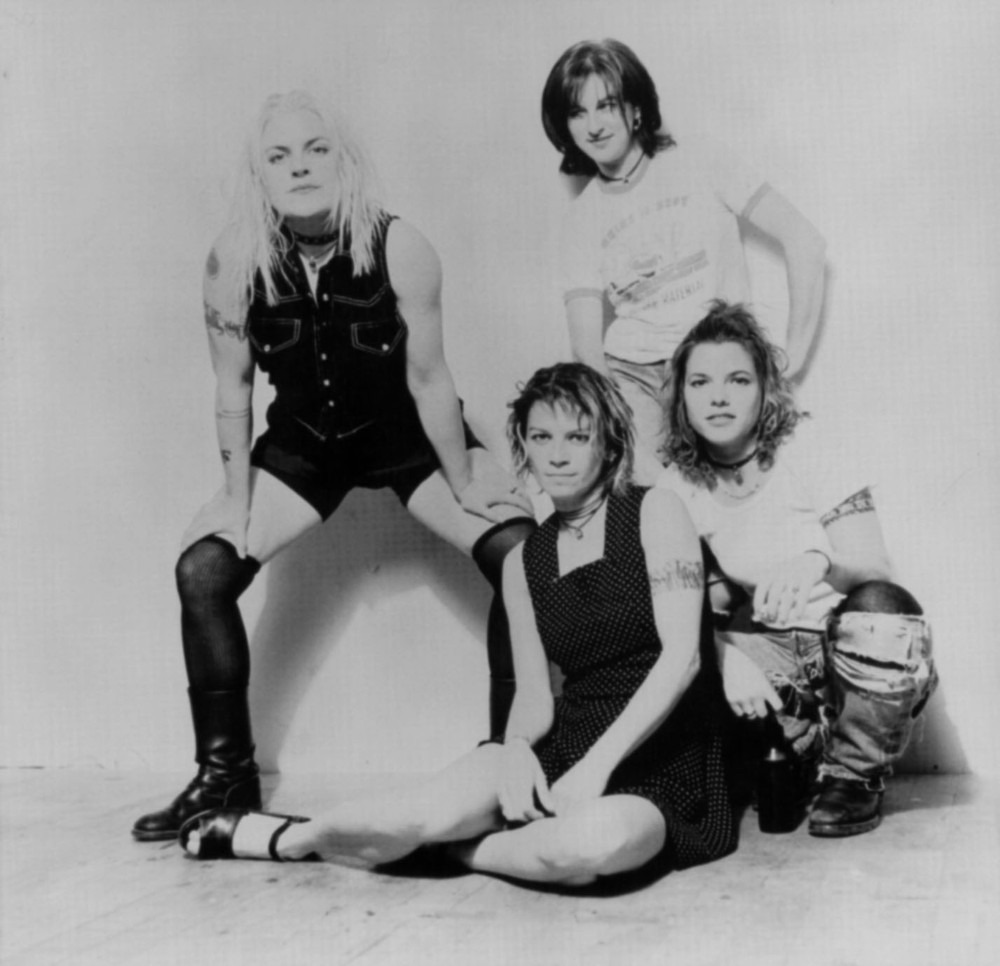
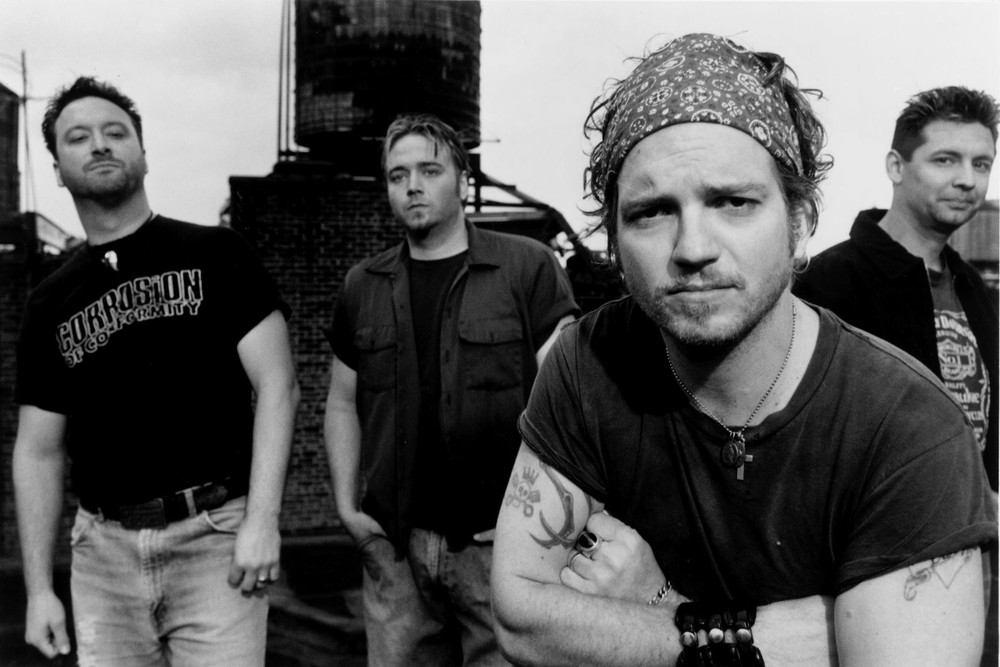
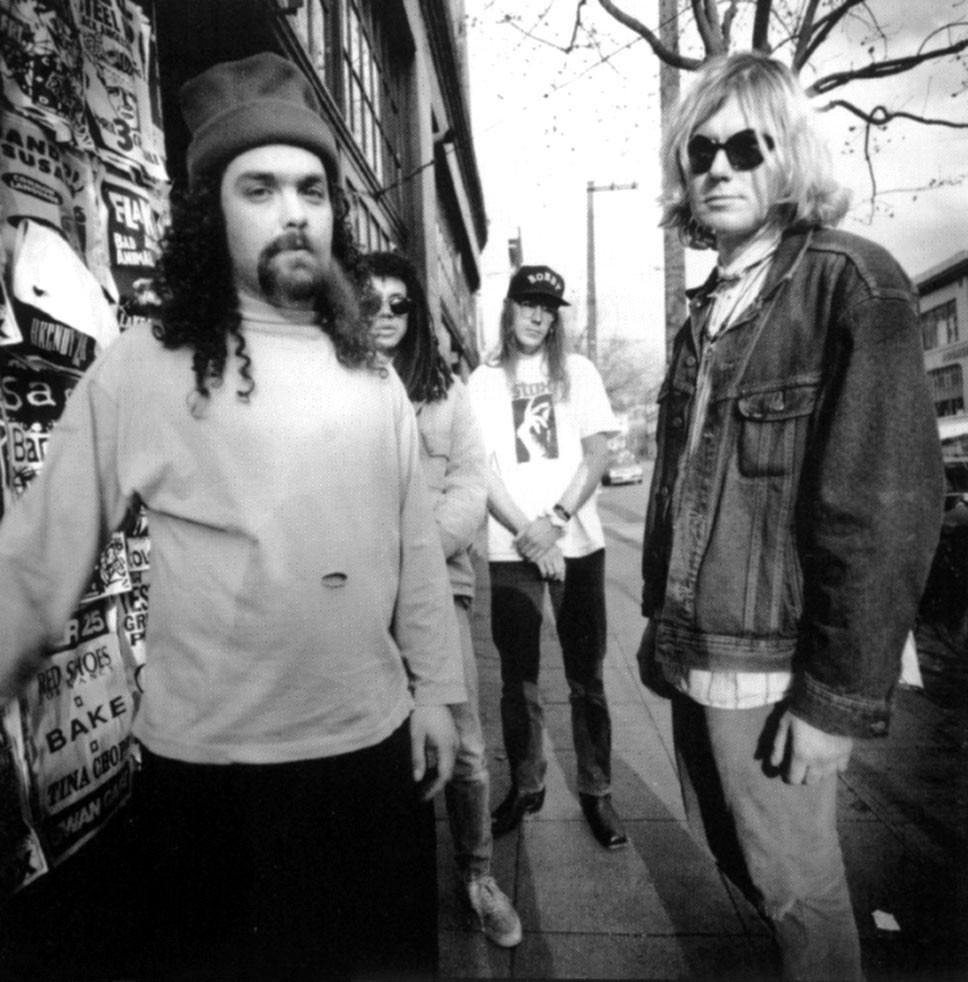
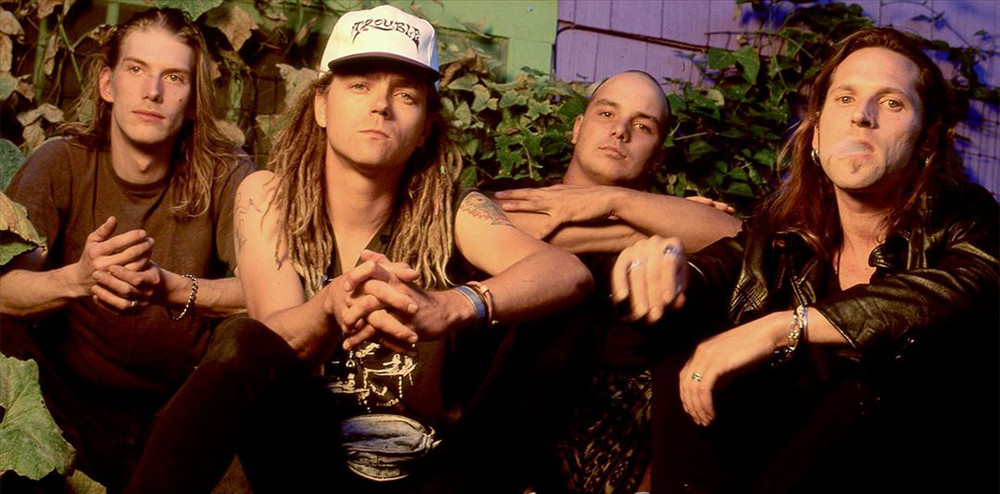
The music sits close to grunge, with its mixture of punk energy, metal weight and raspy singing. Punk’s direct attack and noise rock’s distorted, dissonant guitar textures are also useful reference points. Artists include Paw, Gruntruck, 7 Year Bitch, Love Battery and Skin Yard; many of the associated releases date from the early 1990s.
Based on: Every Noise at Once, Spotify's genre tags and playlist

Hype! | FULL MOVIE | Sub Pop, Pearl Jam, Nirvana, Soundgarden | Seattle Grunge Music Documentary
Shout! Studios

An Ignorant Guide to Grunge
Coolea

What is 'grunge'? #grunge
Virtuoso Music

MAIS C'EST QUOI EN FAIT ? #2 - Le Grunge
L'intimité Du Rock
Build the band sound
Start with heavily overdriven electric guitars, bass and an acoustic drum kit. Write compact power-chord riffs with the weight of grunge and the direct attack of punk. A gritty bass tone can reinforce the guitar rather than simply follow it cleanly.
Shape the rhythm
Use a strong snare backbeat and prominent cymbals. Try a fast, steady pulse, then interrupt it with tight stops or clipped unison figures across guitar, bass and drums. For a heavier contrast, let a riff move slowly and deliberately.
Voice and production
Sing in English with a raw, forceful delivery; a sustained wail or layered backing vocal can make a chorus feel more anthemic. Build a dense guitar mix with distortion and some reverb or delay on the vocals. For a noise rock edge, add dissonant notes or a sustained feedback texture behind the main riff.

4 ESSENTIAL Alt/Grunge Chord Progressions You Need To Know!
These Things Make Noises

Learn To Play Grunge (With Ben From The Jins) #rock #nirvana #grunge #alternative
CamInABand

Making a Nirvana Track in 12 Minutes!
Richii Wainwright

how to make grunge in fl studio #emorocktypebeat #shoegaze #grunge #flstudio
exkimelyy