Description
Vaporwave is an electronic music microgenre and visual aesthetic built around the reworking of familiar commercial sounds. Producers often chop, slow and loop samples of smooth jazz, R&B, lounge and background music, using pitch shifts, glitches and heavy reverb to turn polished fragments into hazy, sometimes disorienting soundscapes. Some artists also make original music rather than relying on samples.
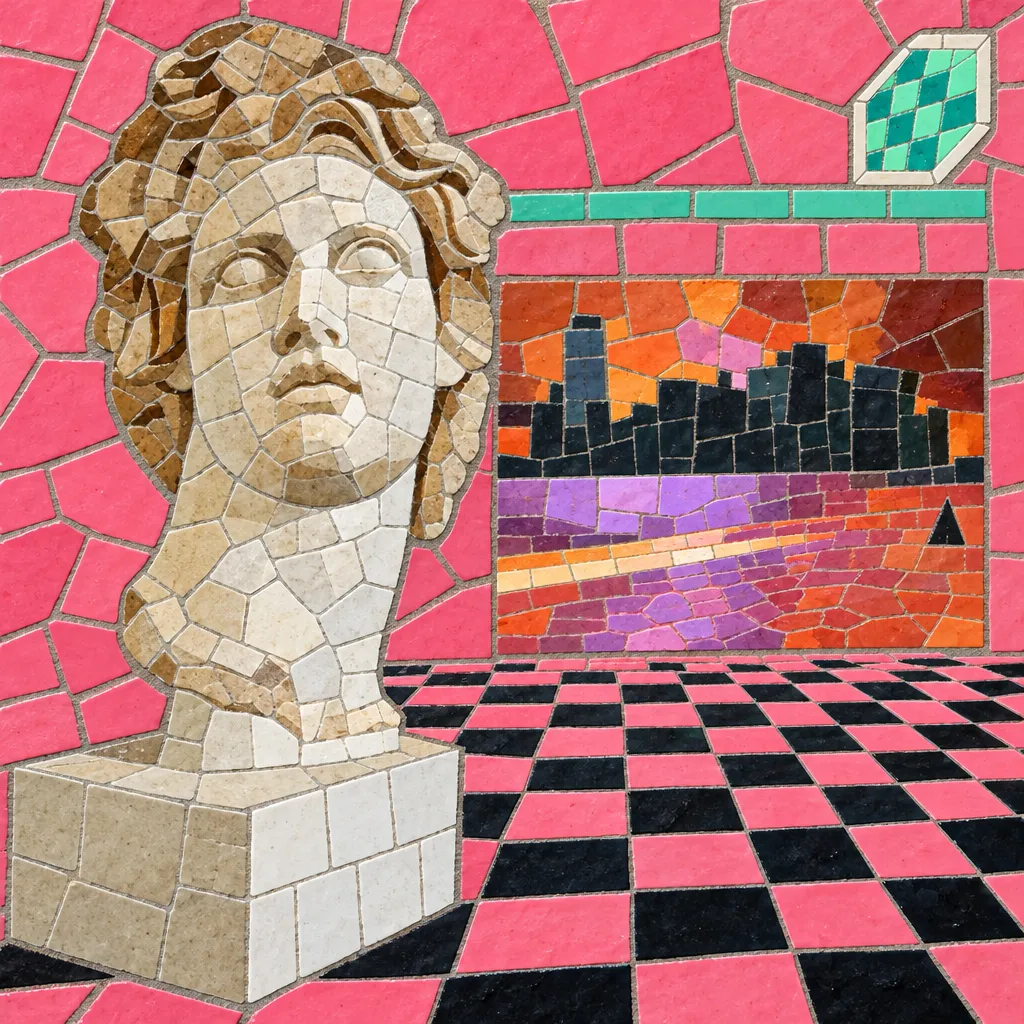
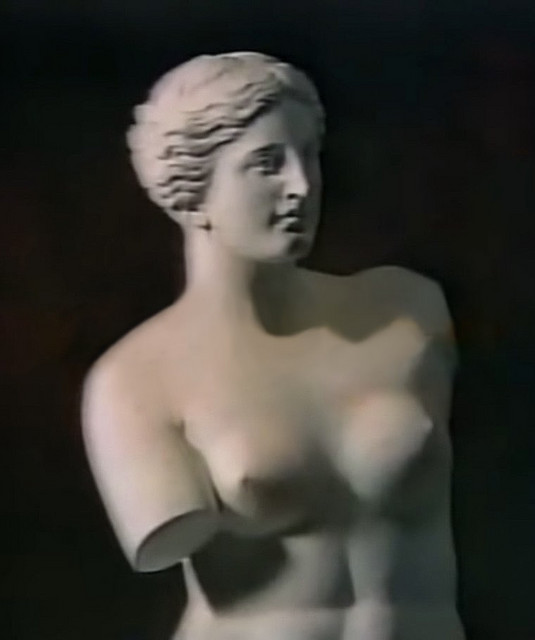
Its atmosphere can be dreamy, melancholy or playfully artificial, with a strong sense of nostalgia for popular media and technology of the 1980s and 1990s. Artwork and videos are closely tied to the music, combining imagery such as early web graphics, classical statues, anime and digital glitches.
The style’s relationship to consumer culture is deliberately open to interpretation. Critic Adam Harper suggested that producers could be read either as mocking commercial technoculture or as enjoying and facilitating it.
Based on: Wikipedia, Rate Your Music, Aesthetics Wiki
More on: Discogs, MusicBrainz, Every Noise at Once, Wikidata

The music theory of V A P O R W A V E
Adam Neely

What is Vaporwave? (in 30 seconds)
IRL Vaporwave

The Curious History of Vaporwave
orangutan

Oneohtrix Point Never on “Vaporwave” and how he inspired the niche genre out of workplace boredom.
Score: The Podcast
History
Origins
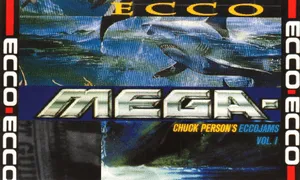
Vaporwave emerged online in the early 2010s, drawing on chillwave, hypnagogic pop and post-noise experimentation. Daniel Lopatin’s Chuck Person’s Eccojams Vol. 1 and James Ferraro’s Far Side Virtual provided contrasting early templates: the former reshaped pop through slowed and chopped loops, while the latter drew on the sounds of recent digital media. Macintosh Plus’s Floral Shoppe, released in 2011, brought the core elements together in a defining early album.
Online growth and debate
The music found a wider audience in 2012 through online communities, with many producers distributing their work under pseudonyms. Its rapid circulation and recognizable imagery also encouraged people to treat it as an internet joke; some producers objected, wanting their work to be taken seriously. Critics have also questioned its use of Japanese cultural imagery and text, while proponents argue that its shared visual language helped distinct subgenres develop.
Branching out
Vaporwave gave rise to offshoots including future funk, mallsoft, signalwave, slushwave and vaportrap. Although it was often declared dead after the mid-2010s, the music continued to evolve and find listeners into the 2020s.
Build from a fragment
Start with a short piece of polished background, lounge, smooth jazz, R&B or pop-style music. Slow it down and cut it into a repeating phrase. Experiment with pitch shifts and loop points: a small change in where a phrase begins or ends can make an otherwise familiar passage feel suspended or strange.
Process and arrange
Use reverb to create distance and blur the edges of the loop. Glitches, stereo movement and layered fragments can make the texture more unstable or spacious. Let repetition carry the arrangement, but introduce subtle changes in processing or layering to give the listener a sense of movement. You could also create original material that evokes the smooth, synthetic character of commercial background music instead of starting with a sample.
Shape the presentation
Consider pairing the track with a visual collage that echoes its sound: faded digital imagery, geometric shapes or deliberately degraded graphics can reinforce a nostalgic, surreal atmosphere. For a more dance-oriented direction, you could borrow the house-derived rhythmic approach associated with future funk; for a more immersive result, emphasize sustained layers and reverb.

How to Vaporwave | FL Studio Tutorial
Praxi Plays

Making Vaporwave in Under 60 Seconds [FULL SONG IN DESC.] #Shorts
Nitro Kappa
From Scratch: A Mallsoft song in under 7 minutes
J. Rent

Vaporwave Tutorial Logic Pro X (HD is MUCH clearer)
Poke493

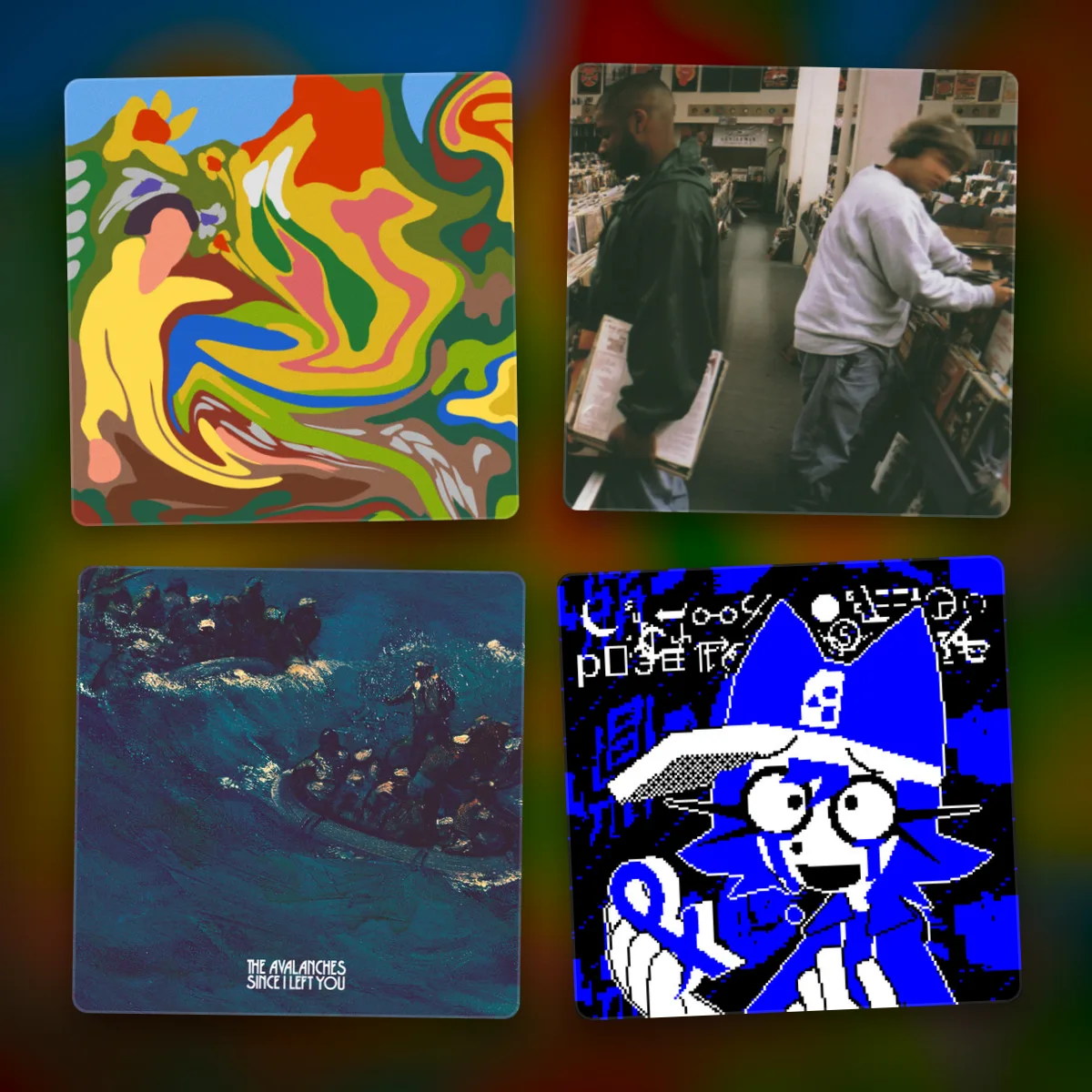
Top albums

Best playlists

Influenced by


Has influenced


Other similar genres
Genres sharing the most artists with Vaporwave